Last Updated on September 5, 2026 by Deon
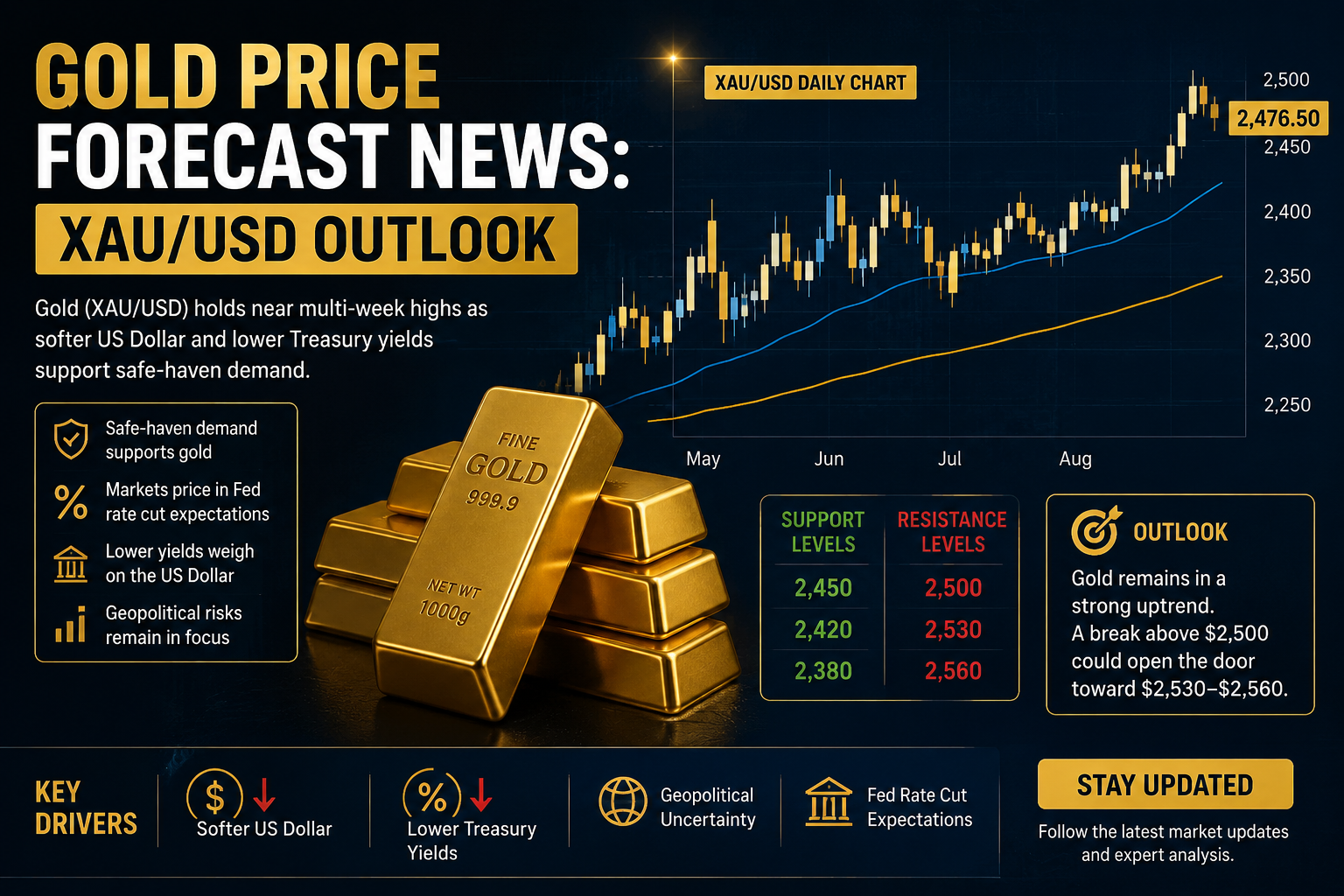
Gold prices fell after stronger‑than‑expected US employment data raised the belief that the Federal Reserve might keep a stance. The recent market move has pushed XAU/USD into a technical zone and traders are watching the US Dollar, Treasury yields, inflation data and the next Fed statement.
At the moment of the update Gold traded close to $4,437 after a new wave of selling pressure. The metal had already dropped sharply after the August Nonfarm Payrolls report came out.
Strong US Jobs Data Pressures Gold
The newest US jobs report markets in a good direction. August nonfarm payrolls increased by 162,000, surpassing the expected 56,000. In addition the month’s figure was raised and the unemployment rate stayed at 4.1%.
Strong employment data can ease worries about a slowdown in the US economy. It can also give the Federal Reserve freedom to concentrate on inflation and keep interest rates high if needed. For Gold this can create an environment.
Gold gives no interest or yield. When interest rates and bond yields climb assets that pay interest become more appealing. Consequently, higher rate expectations often push Gold down.
The stronger jobs report also helped the US dollar. Because gold is priced in US dollars, a stronger Dollar can make Gold pricier for buyers who use currencies, which can lower demand.
Federal Reserve Expectations Remain a Key Driver
The Federal Reserve will probably stay one of the forces on XAU/USD in the coming weeks.
Market expectations for a rate hike grew stronger after the latest jobs data.. The outlook still depends on upcoming US inflation reports.
Traders will watch the Producer Price Index and Consumer Price Index for clues about inflation. Softer inflation numbers could lower expectations for policy and lift Gold. Conversely higher inflation could raise Fed expectations and add more pressure to XAU/USD.
This means Gold traders may keep seeing swings as new economic data shifts expectations for US rates.
XAU/USD Technical Outlook
From a view Gold now trades between key support and resistance zones.
The 100‑day Simple Moving Average around $4,354 serves as a support zone. On the upside the 200‑day Simple Moving Average near $4,534 is a resistance level.
The Relative Strength Index stays in territory but is moving lower toward the neutral 50 level. This points to bullish momentum in the short term.
Key Support Levels
$4,400 is a level for Gold. A clear break below this zone could raise selling pressure.
The next key support is near the 100‑day SMA about $4,354. If sellers stay in charge the market could head toward the low near $4,282.
Key Resistance Levels
On the upside Gold must move above $4,450 to improve its short‑term outlook.
A steady recovery above this level could bring the $4,500 area back into focus. A stronger bullish run may eventually let buyers test the 200‑day SMA and other higher resistance levels.
Why the US Dollar Matters for Gold
The link between the US Dollar and Gold stays important for understanding XAU/USD moves.
A stronger Dollar usually puts pressure on Gold because the metal gets pricier for buyers. A weaker Dollar can make Gold more appealing and support prices.
Treasury yields also matter a lot. Rising yields can lower the appeal of holding a non‑yielding asset like Gold. Falling yields can do the opposite. Help support Gold.
Because of this link traders should keep watching the US Dollar Index and the US Treasury market with Gold charts.
Gold Still Holds Its Safe‑Haven Appeal
Despite short‑term selling pressure, gold still enjoys its role as a safe‑haven asset.
Times of uncertainty geopolitical tensions, market volatility and worries about currency weakness can raise demand for gold. Central bank buying and long‑term demand for reserve diversification can also stay important.
Gold prices are shaped by a mix of interest rates inflation expectations, the US dollar, global economic conditions, market uncertainty and physical demand.
This means that even when strong US data creates short‑term pressure the bigger picture can shift fast if market conditions change.
What Traders Should Watch Next
The next big focus for Gold will be US inflation data and the Federal Reserves policy outlook.
Key factors to watch include:
US CPI and PPI data
Inflation reports could strongly shape expectations for Fed decisions.
Federal Reserve comments
Statements from Fed officials may give clues about whether policymakers lean toward tighter or easier policy.
US Dollar movement
A continued rise in the Dollar could cap Golds upside while a weaker Dollar could support a recovery.
Treasury yields
Higher yields may stay a challenge for Gold while falling yields could boost demand for XAU/USD.
Gold Price Outlook: Key Takeaways
The short‑term gold outlook stays tightly tied to US data and shifting Federal Reserve expectations.
Strong US employment numbers have added pressure on XAU/USD by backing the US dollar and raising expectations for policy.
Technically the $4,400 support zone stays vital while $4,450 is a level for a possible recovery.
A break below support could expose price levels while a move above resistance may spark new buying interest.
For now Gold traders will probably stay focused, on inflation data, Treasury yields and the Federal Reserve. These factors could decide whether XAU/USD keeps correcting or starts another recovery.