Last Updated on October 1, 2026 by Deon
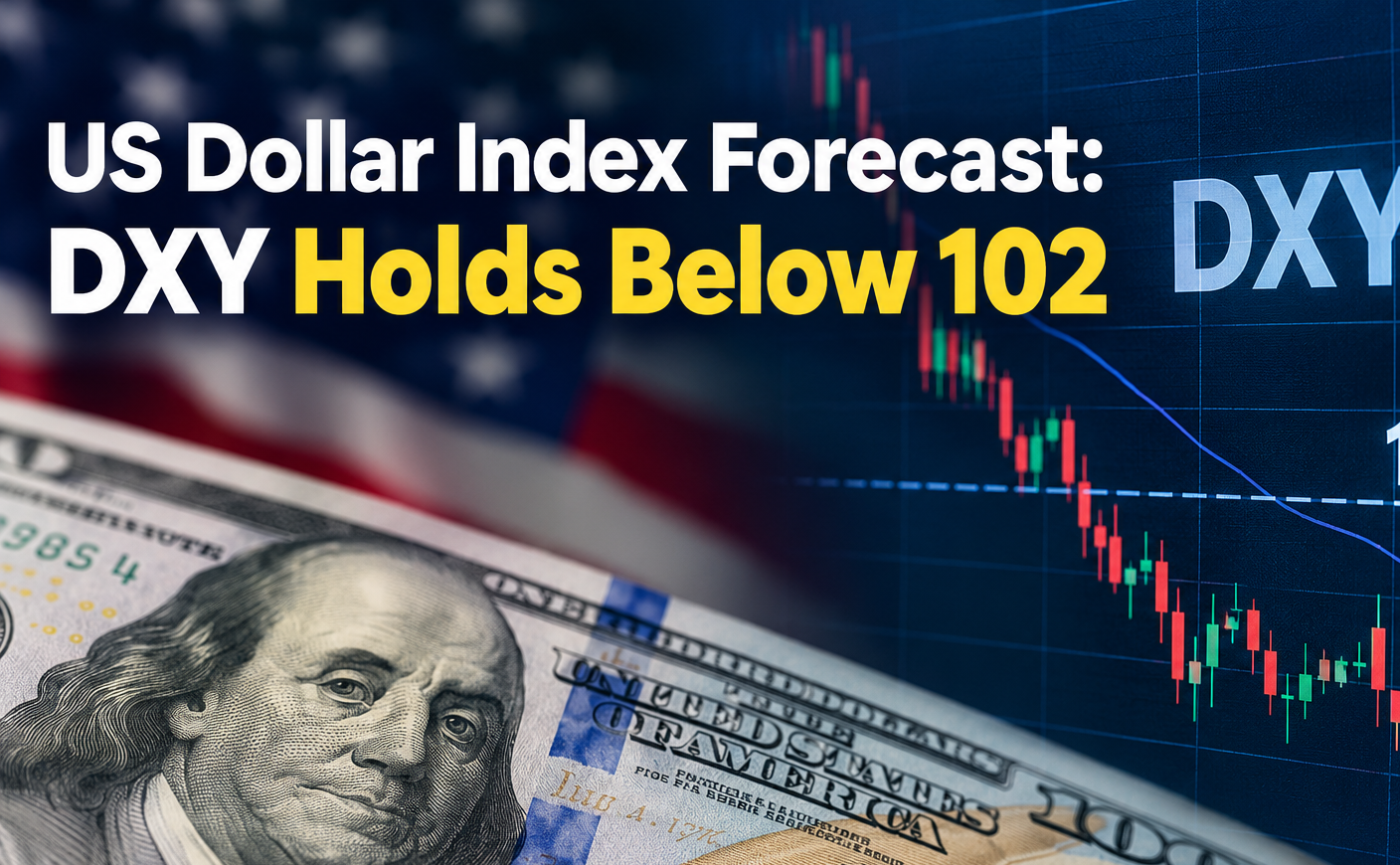
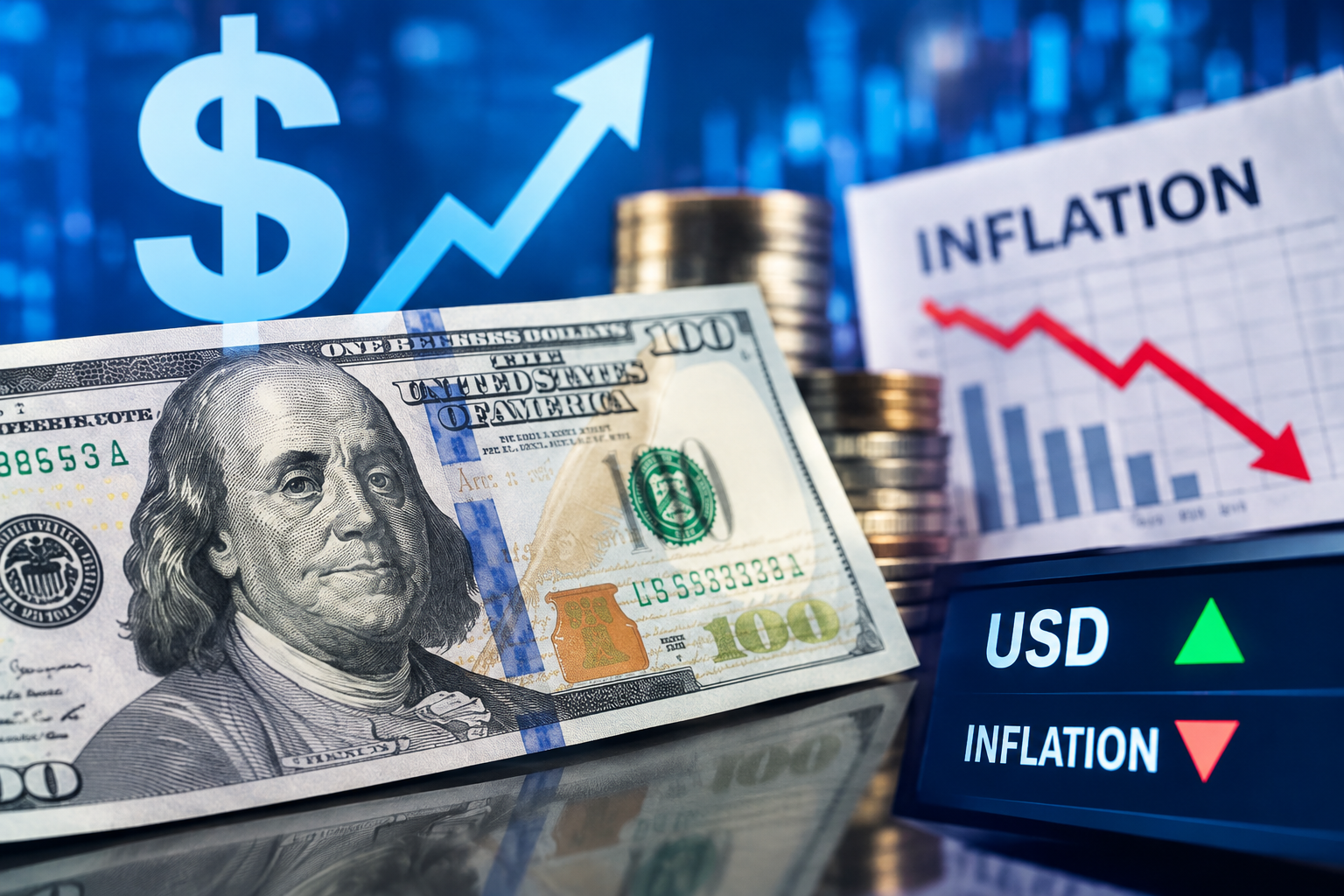
The US Dollar has kept rising even though recent data showed US inflation pressures eased more than people expected. According to Lee Hardman from MUFG the Dollar Index moved closer to its June year-to-date high, around 101.80. This shows that the US Dollar is still strong even as markets begin to expect aggressive rate hikes from the Federal Reserve.
This move marks a change in the currency market. Normally lower inflation would weaken the US Dollar because it would suggest need for higher interest rates.. Other factors are still supporting the dollar. These include Treasury yields, the strength of the US economy and how monetary policy in the US compares to countries.
Softer PCE Inflation Changes Fed Expectations
The August Personal Consumption Expenditures inflation report showed a positive picture on inflation. Core PCE rose 0.2% over the month. The annual rate was revised down to 3.0%, lower than earlier estimates. MUFG pointed out that the three-month annualized inflation rate dropped to 2.1% in August.
These changes give some signal that inflation is slowly getting closer to the Federal Reserve’s target. They also make it less likely that Fed officials will need to raise interest rates much as markets had thought. That should normally help the US Dollar fall.
The softer inflation did not lead to a lasting drop in the US Dollar.
US Dollar Quickly Recovers
At first when the inflation numbers came out markets reacted with a fall in short-term Treasury yields and a drop in the US Dollar.. Those moves didn’t last. The Dollar bounced back. Kept climbing.
This suggests that traders are not focusing on the latest inflation report. They are also looking at factors. These include expectations for US growth, interest-rate differences between the US and other countries and how other major economies are performing. All of these help shape the direction of the US Dollar.
The Dollar Index is now heading toward the 101.80 level. That level was the June year-to-date high as noted by MUFG. If the Dollar moves past or holds above that level it will keep drawing attention to how strong the US currency remains.
Treasury Yields Remain Important
Higher Treasury yields have been a reason behind the Dollar’s strength. When US yields go up US assets become more attractive to investors. That boosts demand for the US Dollar.
After the softer inflation data came out Treasury yields stayed high. Reuters said the US Dollar Index reached a three-month high as US yields continued to rise. This shows that yields are still a force supporting the greenback.
The connection between yields and the Dollar is likely to stay important. If yields keep rising the Dollar could get support.. If yields start to fall that might take away some of the Dollar’s current advantage.
Fed Policy Remains in Focus
The Federal Reserve is still the player in the Dollar’s outlook. MUFG said that markets were pricing in three to four more rate hikes in the coming months.. Now the chance of back-to-back increases has gone down.
New York Fed President John Williams also said there is no need to rush after the rate decision. He said policymakers could take time to look at economic data before making more changes.
This makes the policy picture more complicated. Inflation is improving,. The US economy is still strong enough that markets are still considering more rate hikes.
US Jobs Data Could Drive the Next Move
The next big thing for Dollar traders will be US jobs data. The Nonfarm Payrolls report comes out this Friday. The September CPI is scheduled for October 14. MUFG says both of these reports will be key to deciding when and how fast the Federal Reserve might raise rates again.
A strong jobs report could show that the US economy can handle tightening. A weaker report on the hand could cause traders to expect fewer rate hikes.
Other US data, like jobless claims and the ISM Manufacturing PMI are also coming up. These can affect short-term movements in the US Dollar.
Dollar Strength and Other Currencies
The Dollar’s strength is having an impact on major currency pairs. The Japanese Yen has been hit hard. That’s because expectations for a rate increase from the Bank of Japan have faded. MUFG said USD/JPY climbed to around 158.44 after Japan’s latest policy signals reduced hopes for a near-term hike.
So the Dollar’s rise is not just because of US inflation. It’s also because of differences in how central banks around the world’re acting. These policy differences are shifting the flow of money between currencies.
US Dollar Outlook
The US Dollar is still strong even though inflation has cooled. That’s because Treasury yields are still high and markets are still thinking about future rate hikes from the Federal Reserve. The Dollar Index is now close to 101.80. The June year-to-date high that MUFG identified.
For traders the next US jobs report and inflation data will be crucial. These numbers could change expectations for the Federal Reserve. Decide if the Dollar can keep its recent momentum.
Now the mix of a strong US economy, high yields and shifting global monetary policy remains the main force, behind the Dollar’s path.