Last Updated on September 30, 2026 by Deon
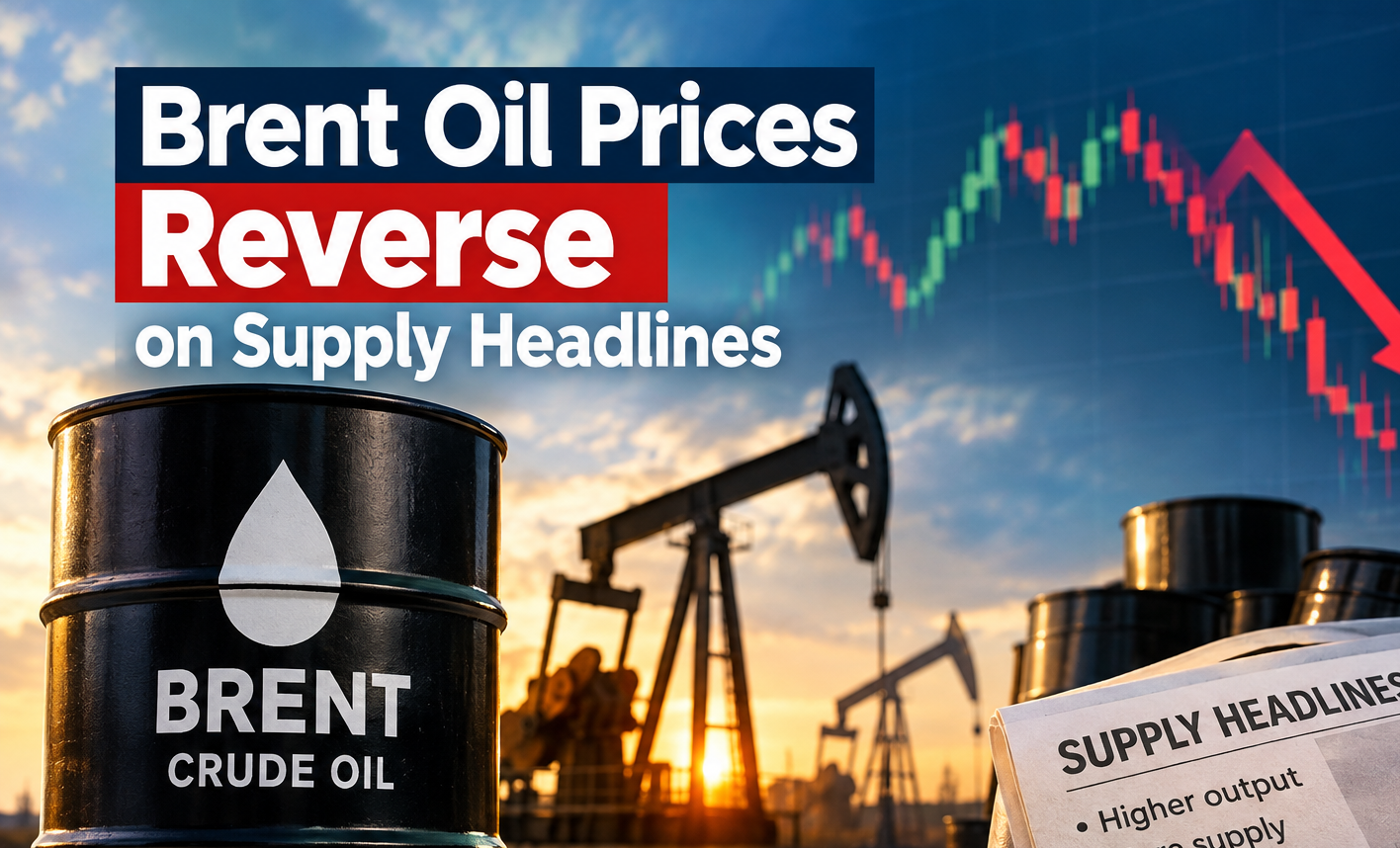
Brent crude oil prices have changed direction. Traders are looking at supply flows in the Middle East. At the time the situation between the United States and Iran remains uncertain. This mix of factors shows how fast oil prices can shift. It is especially true when geopolitical risks are already high.
Recent reports show that crude oil exports from the Gulf are returning toward levels. This eases worries about a shortage. Goldman Sachs said Persian Gulf oil exports hit 23.3 million barrels per day in the latest week. That number is close to what was seen in 2025.
Still the oil market stays sensitive to disruptions. This keeps Brent prices high even as production and exports improve.
Supply Recovery Pressures Brent
The main reason for the price drop is the recovery in Middle Eastern oil flows. Saudi Arabia has restarted tanker loadings from Yanbu. This happened after the East-West pipeline was brought back online. The return of these export routes helps ease fears of a shortage. It also lets traders look at the supply situation clearly.
When more barrels are available the extra risk premium built into oil prices can go down. That can push Brent prices lower. This can happen even if political tensions are still there.
Deutsche Bank analysts have pointed out that supply developments matter a lot. The recent price movement shows traders are now more focused on whether export recovery can last. They are not just reacting to one news story after another.
US-Iran Talks Remain Important
Geopolitical events are still a source of volatility for crude oil. Talks between the United States and Iran are ongoing.. Progress is slow and uncertain. Reports about sanctions relief have affected market hopes. At the time conflicting statements have made it hard for traders to see a clear path forward.
A successful deal could boost expectations for oil exports. That could reduce the risk premium in crude prices.
On the hand if tensions rise again or talks break down the market could get nervous. That would increase fears of supply problems.
Because of this oil traders watch both supply data and political news closely.
Brent Remains Above $100
With the supply recovery Brent crude stays at high levels. Reuters reported that the November Brent contract was trading around $103 per barrel on September 30. The December contract, which is more active was near $97.10. Brent was also heading for a gain of about 14%.
The difference between these contracts shows the way the oil market works. Short-term supply is better.. Long-term worries about disruptions and inventories still affect prices.
This means prices can swing quickly. New supply or geopolitical news can push prices either way.
Inventories Add Another Market Signal
US inventories are another big factor for Brent and the wider oil market.
The Energy Information Administration was set to release its inventory report on September 30. Traders were waiting for numbers on crude, gasoline and distillate stocks.
A drop in inventories can make supply seem tighter. That can push prices higher. Rising inventories can ease some of the pressure.
The inventory data are important because oil prices already react strongly to news. A big surprise in US stockpiles could make the market more volatile in the term.
Oil Prices and Inflation
Changes in crude oil prices affect more than energy.
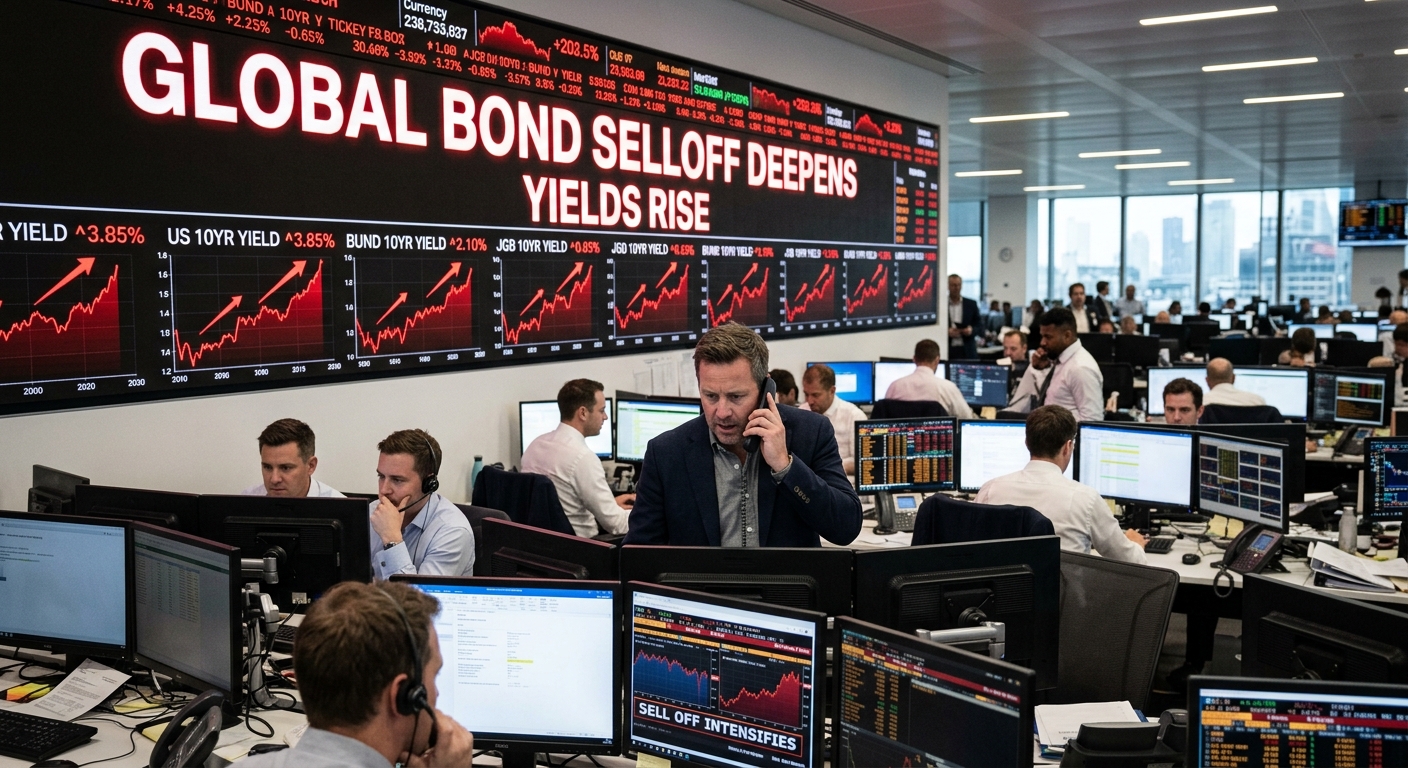
Higher oil prices raise transportation and production costs. That can lead to inflation. This is why central banks and bond investors pay attention to energy prices.
Recent drops in oil prices have helped lower Treasury yields. Market watchers are watching to see if lower energy costs can keep inflation pressure down. That could affect what the Federal Reserve does.
Oil stays highly sensitive to geopolitical issues. So inflation expectations could change fast if supply problems return.
Global Fuel Markets Remain Tight
Even though crude exports are recovering the broader energy market is not back to normal.
Reuters said product shortages and high freight costs are still keeping the energy market tight.
This difference matters for traders. More crude production does not mean gasoline or diesel for consumers.
Refinery output, shipping costs, routes and regional inventories all affect the price at the pump.
Key Factors for Brent Traders
Several things will likely affect Brent prices in the coming days:
Middle East supply: Continued recovery in Gulf exports could ease supply fears.
US-Iran negotiations: Progress could lower risk. A breakdown could raise it.
US inventories: Weekly stock reports give clues about supply and demand.
Fuel demand: Economic activity in big economies matters for consumption.
Shipping conditions: Freight costs and transport disruptions can affect oil movement.
What Traders Should Watch Next
The big question for the oil market is whether Gulf exports will keep recovering.
If supply stays steady some of the risk premium may disappear. That could make Brent more sensitive to inventories, demand and economic data.
If US-Iran talks fall apart or another major supply problem happens fears about crude could return fast.
The market remains very sensitive to headlines. Supply recovery and geopolitical risks are pulling prices in directions.
Brent crude oil prices have shifted. Traders are reacting to better supply flows in the Gulf and changing views on Middle East supply. Saudi Arabia’s return, to exporting has eased short-term concerns.. Ongoing US-Iran tensions keep long-term confidence low.
For oil traders the key factors are supply flows, geopolitical events, US inventory data and global fuel demand. Brent’s high price shows the market still sees uncertainty. That is true even as physical crude supplies start to recover.