Last Updated on September 28, 2026 by Deon
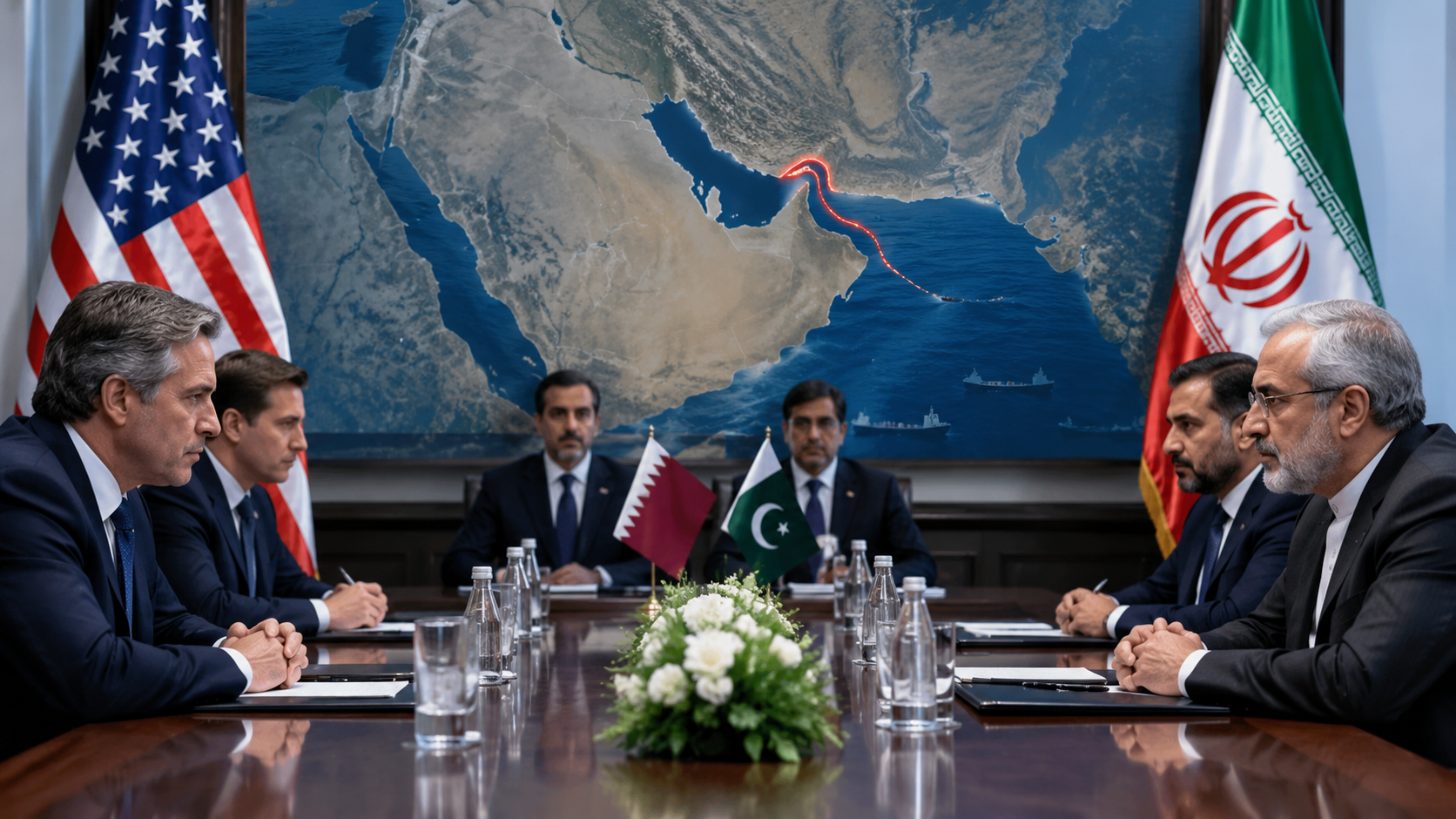
Indirect talks between the United States and Iran may start again this week because mediators are working to bring back discussions about Tehran’s seven‑day proposal to reopen the Strait of Hormuz and to restart negotiations.
This new development follows signals from Washington and Tehran. United States President Donald Trump said he expects United States negotiators to hold talks with Iran this week even though he had earlier rejected Tehran’s proposal. Iranian officials have kept saying that diplomacy is still the way to solve the conflict.
Seven-Day Proposal Back in Focus
Iran showed its seven‑day plan during the United Nations General Assembly in New York. Washington received the proposal through mediators, such as Qatar.
Under the plan Iran said it could reopen the important Strait of Hormuz within seven days if United States conditions were met. The proposal also asked for a return to talks on issues, such as Iran’s nuclear program.
Iranian Foreign Minister Abbas Araghchi said the timeline would start only after Washington accepted the proposal. He explained that initial steps might take days then the Strait of Hormuz would reopen and new negotiations would begin.
The Strait of Hormuz is very important to energy markets because it carries international oil and gas shipments. Any disruption to traffic through the waterway can quickly raise worries about energy supplies and transportation costs.
Mediators Try to Restart Dialogue
Qatar and other regional mediators have kept communication going between Washington and Tehran.
Recent reports say mediators are working on a revised version of the seven‑day proposal. Separate talks with United States and Iranian representatives are expected as diplomatic efforts go on.
This process is indirect meaning United States and Iran can talk through countries instead of direct talks between senior officials.
This approach has been used before because of the political relationship between Washington and Tehran. Earlier in September United States and Iranian representatives also talked through mediators at the UN General Assembly. Reuters said those contacts were the such talks in months.
US and Iran Still Have Differences
Even if talks start again major differences stay between the United States and Iran. Iran has put a lot of emphasis on the Strait of Hormuz on ending pressure and economic restrictions and on the chance to restart negotiations.
Washington has put weight on issues about Iran’s nuclear program and other security concerns. Reports say the United States and Iran are still apart on key conditions.
President Trump publicly rejected Iran’s proposal saying it did not meet United States requirements. Later he said he expects talks to continue, which makes it unclear how the next round of diplomacy will go.
Iran also said that the proposal stays conditional. Araghchi said the Strait of Hormuz would reopen only if the United States takes the required steps. Tehran keeps waiting for a reply through diplomatic channels.
Why the Strait of Hormuz Matters
The Strait of Hormuz is one of the world’s important energy shipping routes. Any long disruption can change crude oil prices, fuel costs and inflation expectations.
Recent uncertainty in the negotiations has already impacted oil markets. Reuters said on September 28 that Brent crude rose than 3% after President Trump rejected Iran’s proposal while worries about ongoing regional tensions stayed high.
A good diplomatic deal could lower some of the supply worries about the waterway. On the side if talks break down geopolitical risk stays high and uncertainty for energy markets grows.
Oil Markets Watch the Talks
Traders watch every change in the United States–Iran negotiations because the Strait of Hormuz is directly linked to energy flows.
When investors think diplomacy can work worries about a long supply disruption can ease. When talks seem to stall oil prices can jump quickly as traders rethink the risk of disruptions.
The latest market reaction shows how sensitive crude prices are to events in the Middle East. Reuters said Brent crude moved higher on Monday after the United States rejected Iran’s proposal.
For markets the next round of talks could become a key driver for oil inflation expectations, currencies and other risk‑sensitive assets.
What Happens Next?
The immediate focus is on whether mediators can bring Washington and Tehran into a structured talks process.
The reported talks are expected to look at the seven‑day proposal and possible changes.. There is no confirmed final deal and United States and Iran keep different positions, on key issues.
Iran keeps saying it wants a negotiated solution while the United States still looks for conditions that meet its security concerns.
The next few days may give clarity about whether the seven‑day framework will serve as the foundation for broader negotiations.
Conclusion
US‑Iran indirect talks may restart as Qatar and other mediators try to revive diplomacy around Irans seven‑day proposal. The plan ties the reopening of the Strait of Hormuz to actions by Washington and to a return to negotiations.
Although both sides have shown interest in keeping the conversation going key disagreements still remain unresolved. For markets the Strait of Hormuz will stay a major focus because events there can affect oil prices and wider economic expectations.
For now traders and investors will watch developments closely as Washington and Tehran think about their next steps, in the US‑Iran indirect talks.