Last Updated on October 8, 2026 by Deon
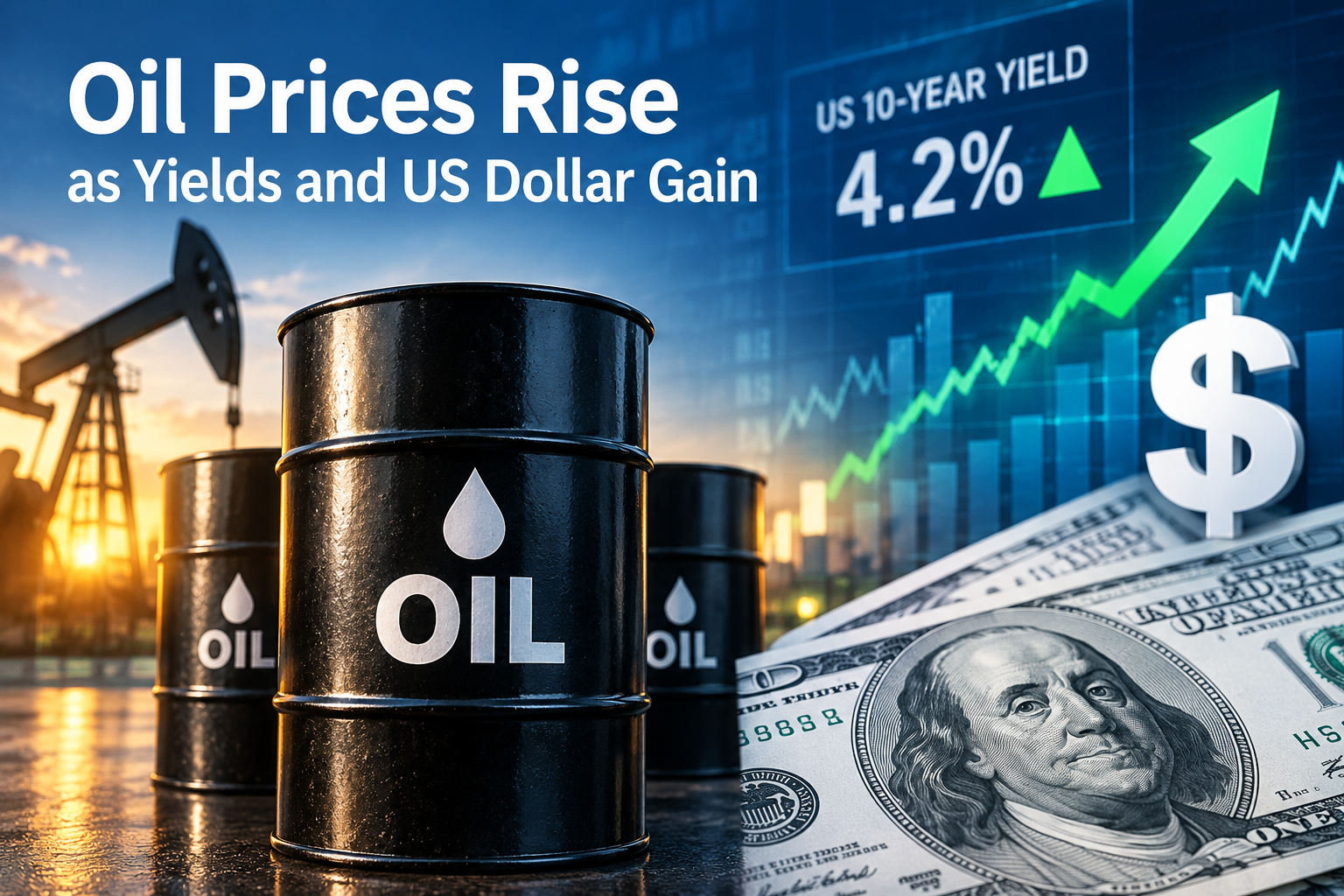
Oil prices moved higher as tensions between the US and Iran rose again. This renewed uncertainty has worried investors about energy supplies. The situation has led to a reassessment of inflation and interest-rate expectations.
According to MUFG’s Lee Hardman oil has been one of the performers in recent days. Prices have climbed back toward $110 per barrel. The rise reflects progress on a possible deal that could reopen the Strait of Hormuz. That waterway is vital for oil shipments. Any disruption there keeps risk premiums in markets.
Oil Moves Back Toward $110
Crude oil prices have stayed volatile. Markets are watching every update on the Strait of Hormuz. The strait is a route for oil tankers. So any delay in reopening it continues to weigh on supply outlooks.
MUFG said disappointment over stalled talks between the US and Iran has added to pressure on prices. Reports suggest both sides are discussing a plan. Under this idea Iran might allow ships through the Strait. In return the US could ease some sanctions on ports.
For traders this uncertainty makes it hard to predict energy costs. Supply risks remain high.. If an agreement comes through prices could fall quickly. A working deal would remove much of the tension now pricing into oil.
Geopolitical Risks Remain
Geopolitical events continue to shape oil market moves. The latest price increase comes as investors worry about longer-term disruptions in the Middle East. Recent attacks near Riyadh have raised concerns. These incidents add to fears about instability.
If negotiations fail oil prices may keep moving up. Traders could continue to build in risk.. If diplomacy advances, that upward pressure may fade fast. A credible resolution could take down the safety premium that is currently supporting crude.
Higher Oil Fuels Inflation Concerns
The jump in oil prices matters for inflation forecasts. Energy costs often ripple through transportation, manufacturing and everyday goods. If crude stays high inflation may stay above what was expected
This is important for central banks trying to manage inflation. The Federal Reserve wants to see inflation come down.. Rising oil prices make that harder. Higher energy costs can slow the pace of easing.
As a result investors are paying attention to inflation data. They want to know whether fuel prices are just temporary or here to stay.
Treasury Yields Move
Rising oil prices are also pushing bond yields higher. When energy costs increase inflation expectations go up. That leads investors to ask for returns from government bonds.
US Treasury yields have jumped recently. The 10-year yield hit 5.23%. That is the level since 2007. Markets are now pricing in another rate hike by the Federal Reserve.
Higher yields affect parts of financial markets. They raise borrowing costs. They change how investors view the value of assets.
US Dollar Gains Support
The US Dollar has benefited from the surge in Treasury yields. When US interest rates rise dollar assets become more attractive. That draws money into the United States.
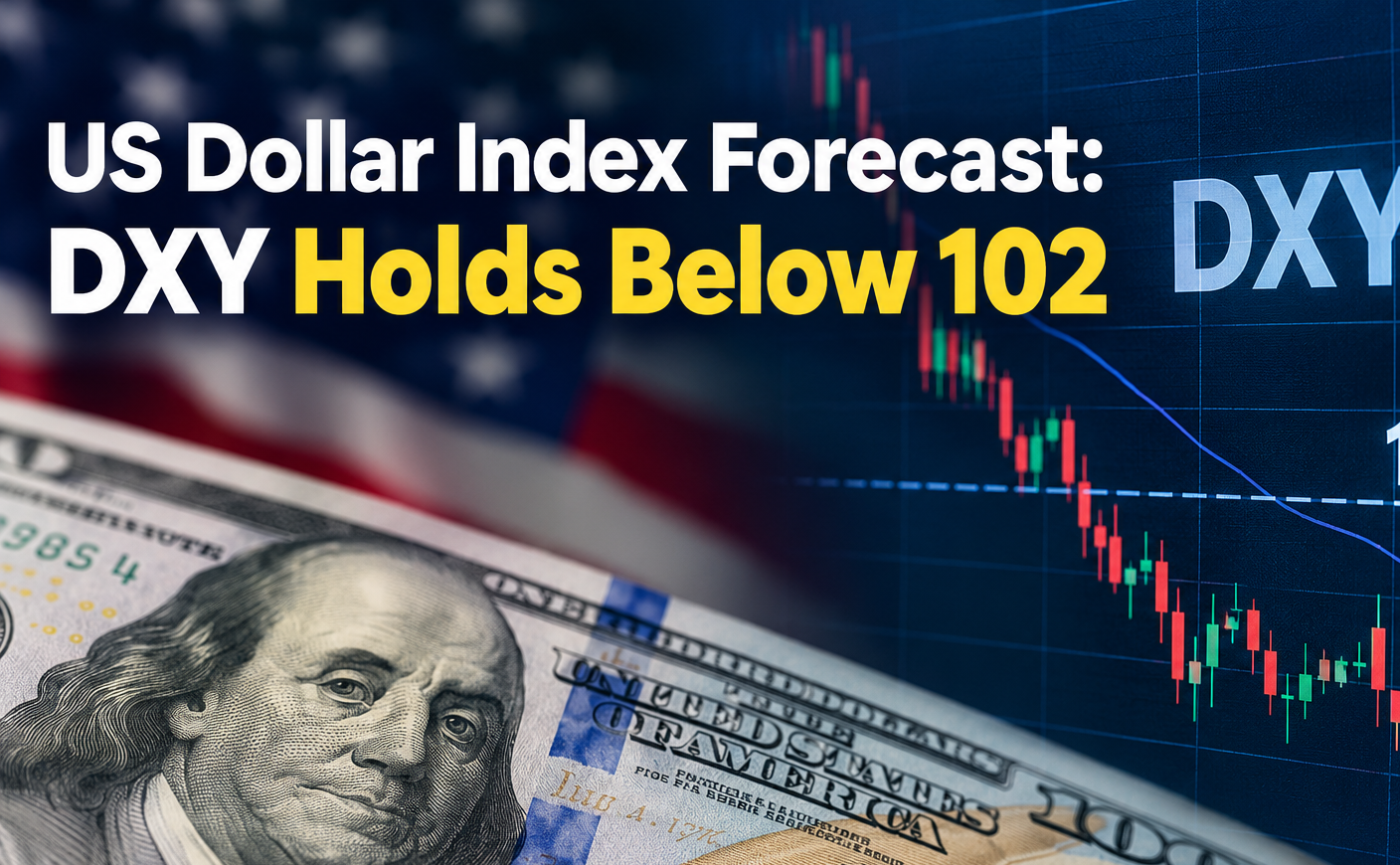
Expectations of Fed tightening also help support the dollar. The Dollar Index recently traded near 101.16 according to FXStreet. Higher yields, oil-driven inflation worries and signs of rate hikes have all helped keep the dollar strong.
This strength matters for currency traders. A stronger dollar can push commodity prices lower. It can also create challenges for emerging-market economies.
Fed Policy in Focus
The Federal Reserve remains at the center of market thinking. Traders are focusing on what the Fed might do. After its September decision the central bank signaled a stance.
FXStreet reported that traders were giving about a 70% chance of another rate increase in October. That number came after the Feds comments. Rising oil prices could strengthen inflation concerns. That makes the Fed’s job harder.
Policymakers will need to decide whether high oil prices are a short-term event or something lasting. Their choice will influence not interest rates but the whole economy.
US Data Could Drive Markets
Investors are now turning to US economic reports. Key releases include PCE inflation, ISM PMI and Nonfarm Payrolls. These numbers could sway views on the Fed’s step.
Stronger inflation or employment data could support policy. Weaker figures could reduce pressure on the Fed. Either way these reports will have knock-on effects.
Oil, Treasury yields and the US Dollar are likely to stay tied to data. Markets are watching closely.
Impact on Financial Markets
The mix of oil prices and rising yields is creating tough conditions across financial markets. Higher borrowing costs can hurt stock prices. Stronger yields often boost the US Dollar. Gold faces headwinds because higher interest rates make it less appealing to hold.
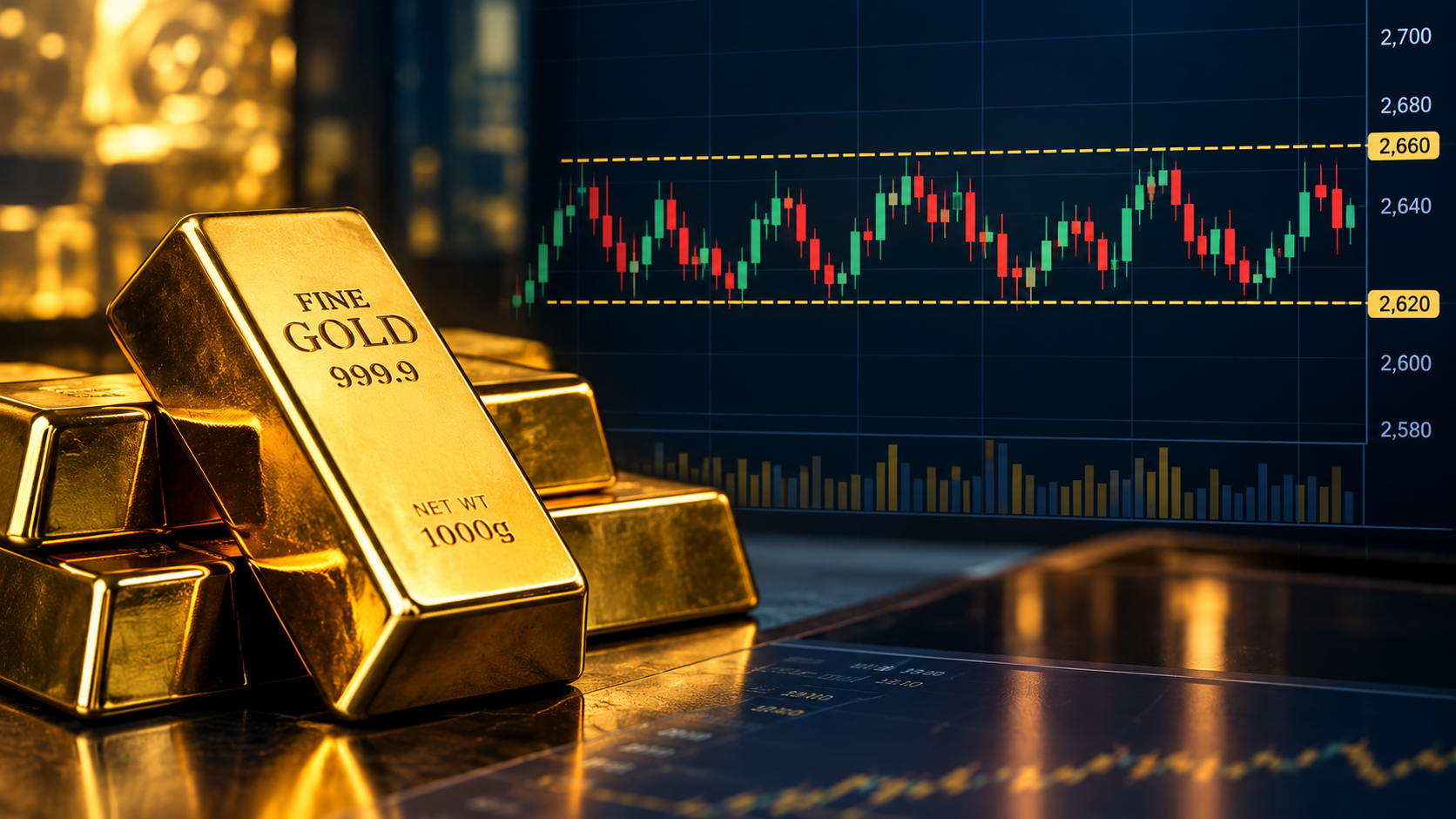
FXStreet noted that gold fell sharply. That drop came as Treasury yields rose oil pushed inflation up and expectations for another Fed hike grew stronger.
Oil is no longer an energy issue. It is influencing the broader market landscape.
What Traders Should Watch
Markets are keeping an eye on key areas:
US-Iran negotiations: Progress could lower the geopolitical premium in oil.
Strait of Hormuz: Any changes in shipping activity could shift prices fast.
US Treasury yields: More gains could support the US Dollar.
Fed expectations: Signals on another rate hike will matter.
Inflation data: PCE figures could guide interest-rate guesses.
Employment data: NFP numbers could give clues about the US economy.
Oil prices have returned to levels near $110 per barrel. The move is driven by concerns about the US-Iran conflict and the Strait of Hormuz. These issues keep energy market risks elevated.
Higher oil prices are increasing inflation worries. At the time rising Treasury yields are supporting the US Dollar. They are also reinforcing the idea of Federal Reserve tightening.
The next big shifts in markets will likely come from two sources: developments in the Middle East and incoming US reports. For traders understanding the link, between oil, inflation, Treasury yields and Fed policy will be crucial. These forces will shape the direction of financial markets in the weeks ahead.