Last Updated on September 30, 2026 by Deon
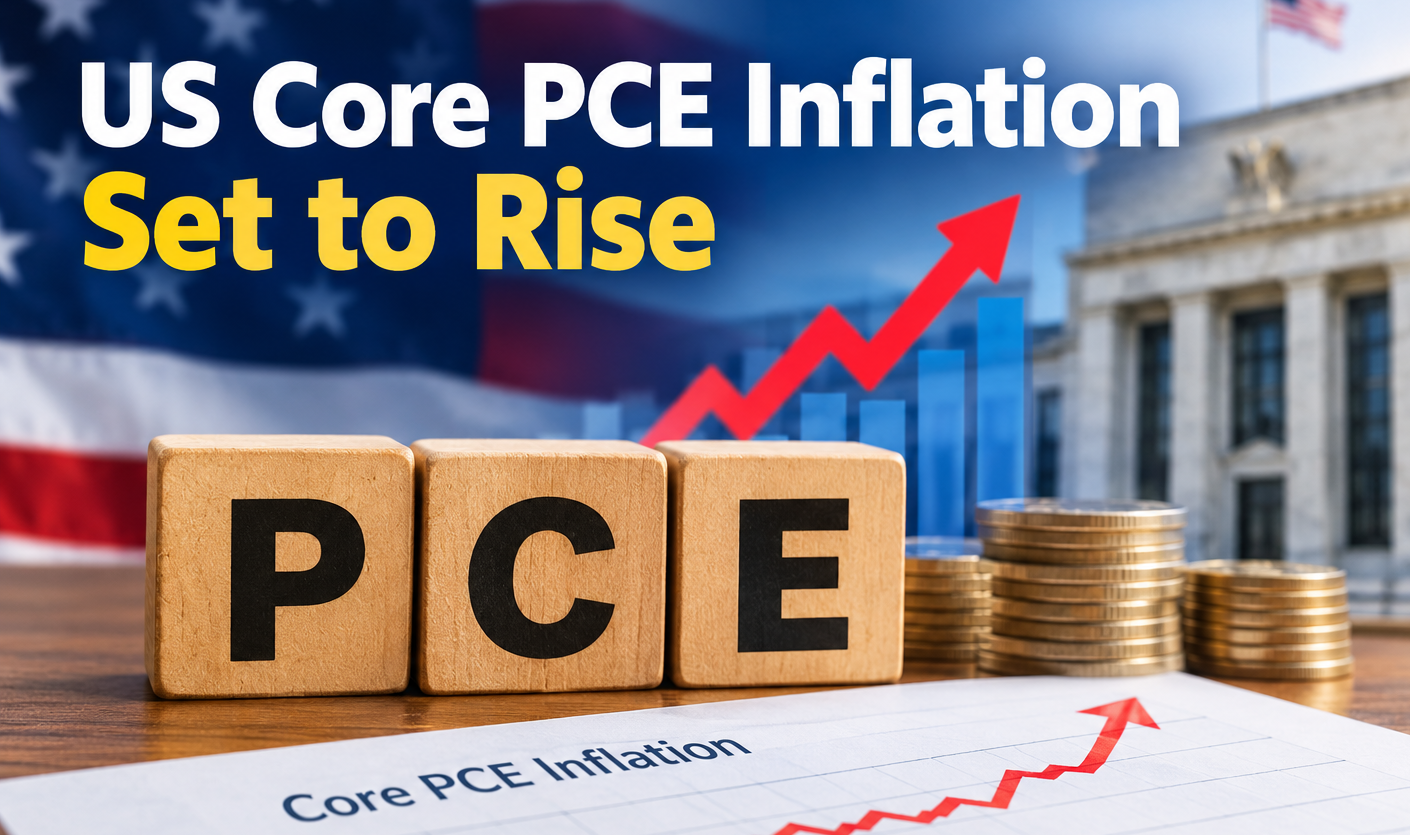
US inflation is back in focus while markets get ready for the August Personal Consumption Expenditures (PCE) Price Index report. The core PCE measure, which does not include food and energy prices is expected to rise in August adding another challenge for the Federal Reserve as policy makers look at the way interest rates will move.
According to the FXStreet report economists expect core PCE inflation to rise 0.3 percent from month to month in August compared with a 0.2 percent increase in July. On a basis core PCE is expected to reach 3.4 percent up from 3.3 percent previously.
The data are closely watched because the PCE Price Index is the Federal Reserves measure of inflation.
Core PCE in Focus
The core PCE Price Index measures changes in the prices of goods and services bought by US consumers while excluding food and energy components.
Removing these categories gives policy makers a clearer view of underlying price pressures. The annual core PCE rate is especially important because the Federal Reserve uses PCE inflation when assessing progress toward its 2 percent inflation objective.
The expected rise from 3.3 percent to 3.4 percent would show that underlying inflation remains above the Feds target. A monthly increase of 0.3 percent would also show a speed up from Julys 0.2 percent reading.
Why the Inflation Report Matters
The PCE report arrives at a time for financial markets. Investors are trying to decide whether the Federal Reserve will keep tightening policy or become more cautious as economic conditions change.
A stronger-than-expected inflation reading could raise expectations for a restrictive Fed policy. That could support the US Dollar and Treasury yields while potentially putting pressure on assets that’re sensitive to interest rates.
Conversely a softer reading could lower some of the pressure on the Federal Reserve. Lead markets to reassess expectations for future rate increases. FXStreet notes that a stronger-than-expected core PCE result can support the Dollar because it may encourage expectations for a hawkish policy outlook.
Federal Reserve Faces Inflation Pressure
The Federal Reserve has been dealing with inflation that stays above its 2 percent objective. Recent comments from Fed Governor Michael Barr also highlighted concerns about inflation.
In a speech on September 29 Barr said inflation had stayed above the FOMCs 2 percent target for a time. He also pointed to energy prices and strong demand linked to AI investment as factors that affect the inflation outlook.
This makes the upcoming PCE report especially relevant. If core inflation speeds up policy makers could face pressure to keep monetary policy restrictive.
However one monthly report alone is unlikely to set the policy outlook. The Federal Reserve also looks at employment, consumer spending, economic growth and other inflation indicators.
US Dollar Could React to the Data
The US Dollar is likely to stay sensitive to the PCE release. A stronger-than-expected core PCE number could push Treasury yields higher if investors raise expectations for Fed tightening. Higher yields can make Dollar‑denominated assets more attractive.
Recent FXStreet analysis from ING noted that the Dollar stayed firm as higher long‑term US yields continued to support the currency. ING also expected core PCE to rise from 0.2 percent to 0.3 percent month to month.
At the time the market reaction will depend on how the actual number compares with expectations. A reading close to consensus could lead to a limited reaction while a strong surprise may trigger larger moves.
Bond Yields Remain Important
US Treasury yields are another market indicator to watch when the PCE data are released.
Higher inflation can raise expectations that interest rates will stay high for longer. This can push bond yields higher at the shorter end of the yield curve, where expectations for Fed policy have a stronger influence.
Recent market commentary has highlighted Treasury yields as an important source of support for the US Dollar.
For traders the relationship between PCE inflation Treasury yields and the Dollar will be important when assessing the market reaction.
PCE and Employment Data Arrive
The PCE report is not the only major US economic release scheduled for September 30.
The ADP Employment Change report is also due with economists expecting US private‑sector employment to rise by 70,000–72,000 jobs in September compared with 38,000 in August.
The combination of inflation and employment data could have an impact than either report alone.
For example stronger inflation along with employment could reinforce expectations, for a restrictive Fed stance.
On the hand weaker employment could complicate the interpretation of higher inflation by highlighting potential risks to the labor market.
Markets Also Await Nonfarm Payrolls
The September Nonfarm Payrolls report will give another test of the US economy later this week.
FXStreet notes that the Nonfarm Payrolls report is expected to be a catalyst for Federal Reserve rate expectations.
This means traders may avoid making long‑term conclusions based on the PCE release. Instead markets may look at today’s inflation figures with upcoming Nonfarm Payrolls data.
What Traders Should Watch
Several indicators deserve attention around the PCE release:
Core PCE month over month: Forecast is 0.3% than the previous 0.2%.
Core PCE year over year: Expected 3.4%, up from 3.3%.
US Dollar: May react to changing Federal Reserve expectations.
Treasury yields: Important for measuring interest‑rate expectations.
ADP employment: Another major economic release on September 30.
Nonfarm Payrolls: A key labor‑market report due later this week.
The difference between the data and market expectations could be more important than the headline figure itself.
Conclusion
US core PCE inflation is expected to rise in August. Economists forecast a 0.3% increase and a 3.4% annual rate. The acceleration from July keeps inflation firmly in focus for the Federal Reserve.
The report could shape expectations for Fed policy, Treasury yields and the US Dollar. However traders will also need to look at the ADP employment report and upcoming Nonfarm Payrolls data before judging the US economic outlook.
With inflation above the Federal Reserve’s 2% goal the latest PCE figures could give an important signal, about how much pressure policymakers feel as they look at the next stage of monetary policy.