Last Updated on September 12, 2026 by Deon
US Treasury Yields Drop After CPI as Fed Risks Stay
US Treasury yields went down on Friday following the release of the recent US Consumer Price Index (CPI) numbers. However the drop did not remove the increase in the bond market that happened during the week.
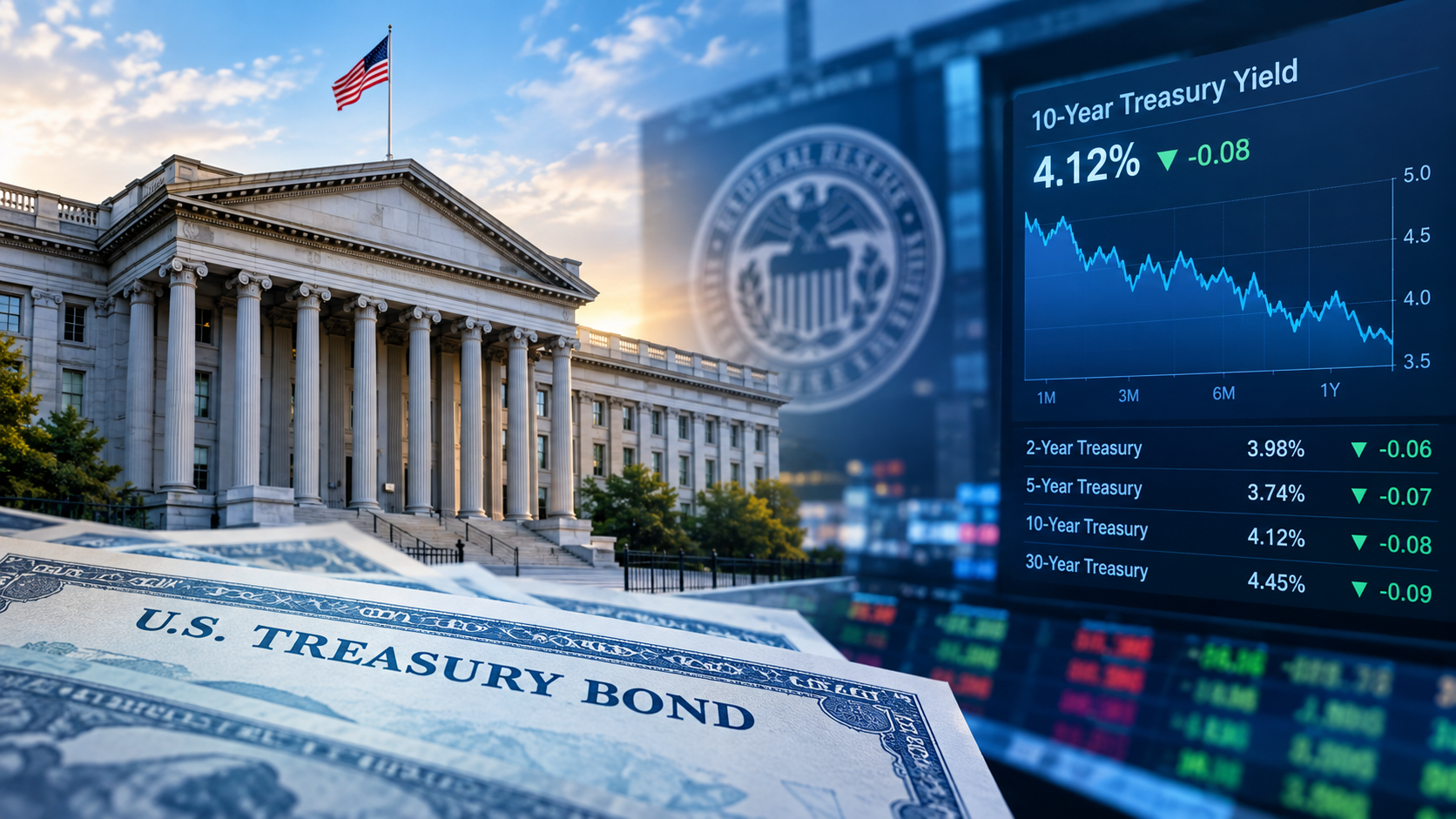
The US 10-year Treasury yield dropped about one basis point to 4.951%. It is still more than 16 basis points higher for the week. At the time the 30-year Treasury yield dropped two basis points to 5.34% after briefly hitting 5.38%, the highest level since 2007.
The drop in yields happened as traders looked at inflation data and kept an eye on growing energy costs and thoughts about Federal Reserve policy.
CPI Offers Some Comfort to Bond Markets
The recent US inflation numbers were about what the market expected. Core CPI also met predictions. Showed a small drop offering some comfort to investors who were worried about rising price pressures.
However the inflation situation is still complicated. A stronger than expected US Producer Price Index (PPI) report from a day had already made traders more likely to think the Federal Reserve would be more strict with its policy.
Because of this the lower Treasury yields on Friday did not completely undo the weeks rise in borrowing costs.
The market is now looking at whether inflation stays strong enough to affect the Federal Reserves decision on interest rates.
Fed Rate-Hike Plans High
Even though the Treasury yields went down the market still expected a high chance of a Federal Reserve rate increase at the next meeting.
According to market numbers reported by FXStreet the chance of a 25-basis-point Fed rate increase was 91%. This shows belief that ongoing inflation and higher energy prices could make leaders more careful about making money easier.
Higher interest rate expectations can help the US Dollar because they make the return from dollar assets higher. At the time higher Treasury yields can bring in people looking for better returns.
The US Dollar Index was near 99.00 showing a small rise during Fridays session.
Oil Prices Add to Inflation Worries
Energy markets are still a reason behind the recent rise in Treasury yields.
Higher oil prices have made people worry that inflation could stay high for longer. The increase in tensions involving the US, Iran and the Middle East has added uncertainty to the energy outlook.
Rising oil prices is especially important for bond investors because higher energy costs can push up inflation expectations.
This situation helps explain why Treasury yields are still much higher for the week after Fridays drop from the CPI report.
Inflation Expectations Rise
Market-based expectations for inflation also went up during the week.
The five-year US breakeven inflation rate went up to 2.46% compared with 2.37% at the start of the week. The 10-year breakeven rate also increased from 2.35% to 2.40%.
These numbers show that investors are expecting a higher inflation over the middle term.
For the Federal Reserve ongoing inflation expectations can make decisions on interest rates harder. If inflation expectations stay steady leaders may have freedom.. A long-term increase could make them more careful.
US Consumer Confidence Also Matters
Other economic data showed worries among US consumers.
Consumers are becoming more negative about the economy while expecting prices to go up more. Higher fuel costs and new trade tensions with the United States and Canada are making these worries worse.
A mix of energy prices and cautious consumer views makes a tough situation for leaders.
The Fed has to balance the risk of inflation against signs that parts of the economy may be slowing down.
What Traders Will Watch Next
The Federal Reserves next meeting on money policy will be the focus for financial markets. Traders will also watch US reports, including jobs and housing data the New York Fed Empire State Manufacturing Index and Retail Sales. Remarks from Federal Reserve leaders could give hints about the policy future.
Any sign that leaders are still worried about inflation could keep Treasury yields high. On the hand weaker economic news or signs that price increases are slowing could reduce expectations for more tightening and push yields down.
Treasury Yield Forecast
The short-term forecast for the Treasury market is closely tied to inflation, oil prices and what the Fed is expected to do.
The drop in the 10-year and 30-year yields after the CPI report shows that investors found some comfort in the inflation numbers. However the overall trend for the week is still higher.
The 4.95% level for the 10-year yield and the 5.34% level for the 30-year yield will stay important for traders. A continued move higher could mean that markets keep asking for reward for inflation and policy risks.
On the hand more signs that inflation is slowing could encourage investors to start buying longer-term Treasuries again.
Main Points
The US 10-year Treasury yield went down to around 4.951%.
The 30-year yield went down after reaching its level since 2007.
Markets expected a 91% chance of a 25-basis-point Fed rate increase.
Rising oil prices are still a worry for inflation.
Five- and 10-year inflation expectations went up during the week.
The next Fed meeting and US economic data will guide the change in Treasury yields.
Overall US Treasury yields have gone down after the CPI numbers but the overall risks are still pointing towards higher rates. Ongoing energy inflation, high inflation expectations and strong Fed hike expectations could keep pressure on the bond market in the coming days.
A move above 0.7237 could make 0.7277 and 0.7300 more interesting. On the hand a drop below 0.7150 would weaken the positive setup and increase the chance of a fall towards 0.7100 and the moving average supports. Overall, 0.7237 and 0.7150 are the two levels to watch as traders look at the next move, in AUD/USD.