Last Updated on July 8, 2026 by Deon
The outlook for inflation in the United States has become more uncertain. This is because rising oil prices are starting to influence what consumers think about inflation. This year inflation was showing signs of slowing down.. Now with energy prices going up again people are worried that prices might stay high for longer than expected.
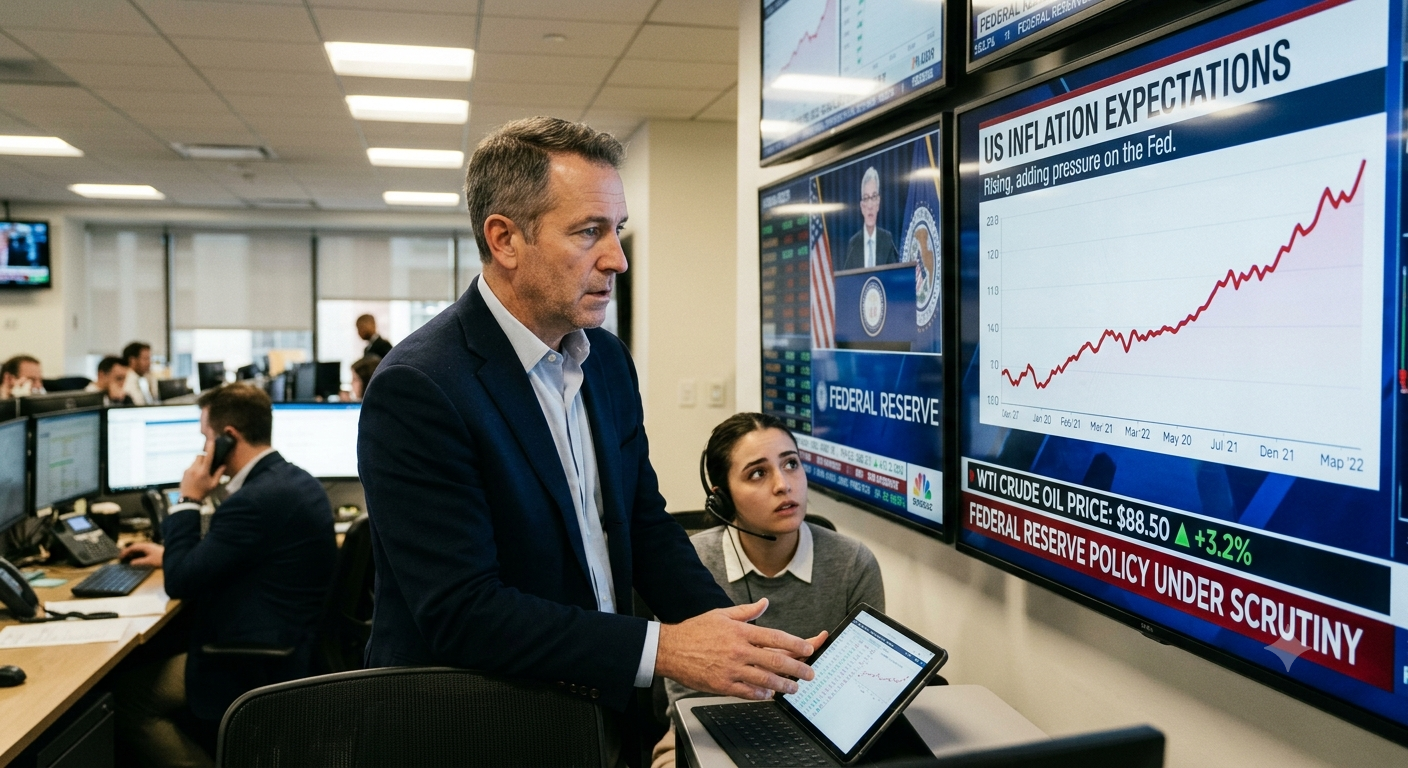
According to DBS analysts, higher crude oil prices will likely make people expect inflation. This is another challenge for the Federal Reserve. They need to balance growth with keeping prices stable. The recent increase in energy prices is happening at a time when investors are closely watching what the Fed will do next. They are also keeping an eye on how global events might affect inflation around the world.
Oil prices are making inflation concerns come back. Energy prices are one of the drivers of inflation worldwide. Recent tensions have caused crude oil prices to go up sharply. This has increased transportation and production costs across industries.
Although inflation had cooled down from its highs a sustained increase in oil prices could reverse some of that progress. When fuel costs go up it often leads to prices for consumer goods, shipping, airline tickets and manufacturing costs. This can eventually lead to price increases.
DBS analysts think that the recent increase in oil prices is contributing to an increase in inflation expectations especially in the United States.
Consumers Expect Higher Inflation Ahead
Consumers are expecting inflation ahead. Recent surveys show that American consumers now expect inflation to be higher over the coming year than they thought before.
One-year inflation expectations have gone up to around 3.7%. This is the reading in nearly three years. Medium-term expectations have also increased. Longer-term expectations remain relatively stable. This suggests that people still trust the Federal Reserve to control inflation.
These expectations are important. They can influence how households spend their money wage negotiations and business pricing decisions. If consumers think prices will keep rising inflation can become more persistent.
The Federal Reserve faces a difficult policy path. The Fed has spent the few years fighting inflation by raising interest rates. While they have welcomed signs of easing price pressures rising energy costs threaten to complicate that progress.
If inflation expectations keep climbing the central bank may not have flexibility to reduce interest rates. They might even need to keep policy restrictive for longer.
Markets are paying attention to upcoming Federal Reserve communications. They want to know about policy meeting minutes and future inflation reports. They are looking for clues about the direction of interest rates.
Why do oil prices matter much?
Oil affects every sector of the economy. Some of the channels include:
Transportation and logistics
Manufacturing costs
Utility expenses
Airline fuel prices
production
Consumer goods distribution
When crude oil prices rise sharply businesses often pass on some of those extra costs to consumers. This keeps inflation elevated even if demand slows down elsewhere.
Market Impact
Financial markets are already adjusting to the possibility of inflation. Investors have responded by:
Increasing expectations for interest rates
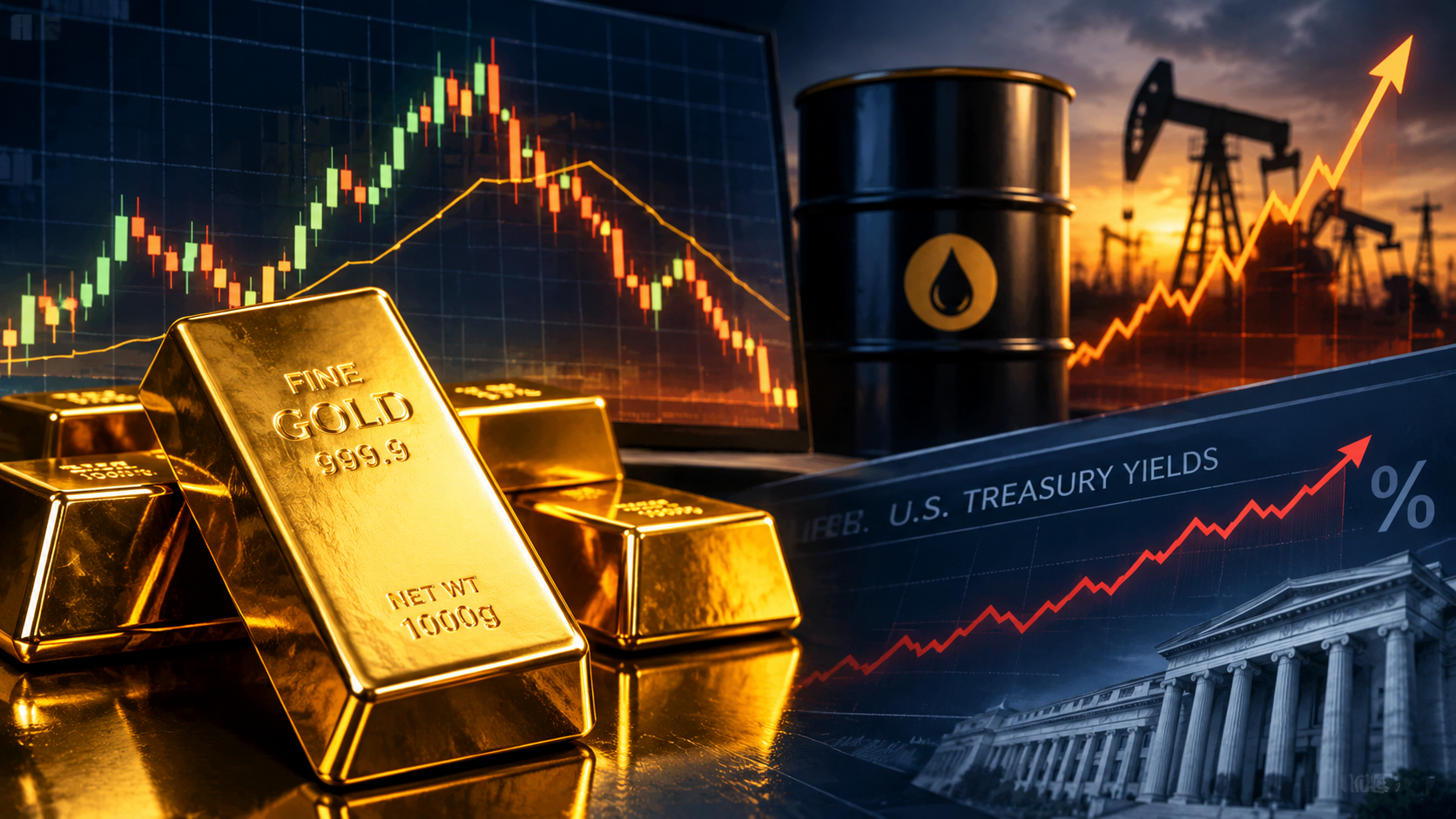
Pushing Treasury yields higher
Supporting the US Dollar
Creating volatility across equity markets
Raising uncertainty for commodity prices, including gold
bond yields generally reflect expectations that interest rates may stay elevated for longer. This is if inflation proves difficult to control.
Economic Outlook
Despite rising inflation concerns the broader US economy continues to show resilience. Employment conditions remain relatively stable. Consumer spending has not weakened significantly.
However economists warn that prolonged increases in energy prices could eventually slow down growth. This can happen by reducing household purchasing power and increasing business operating costs.
The balance between inflation control and economic expansion remains one of the Federal Reserves challenges during the second half of 2026.
Technical Outlook for the US Dollar
From a market perspective renewed inflation concerns generally provide support for the US Dollar. This is because they increase expectations that the Federal Reserve will keep policy restrictive.
If incoming inflation data continue to surprise on the upside the Dollar Index (DXY) could remain supported. This is as investors seek yielding assets. Conversely any easing in oil prices or softer inflation readings may reduce expectations for policy tightening. This can limit gains in the dollar.