Last Updated on October 13, 2026 by Deon
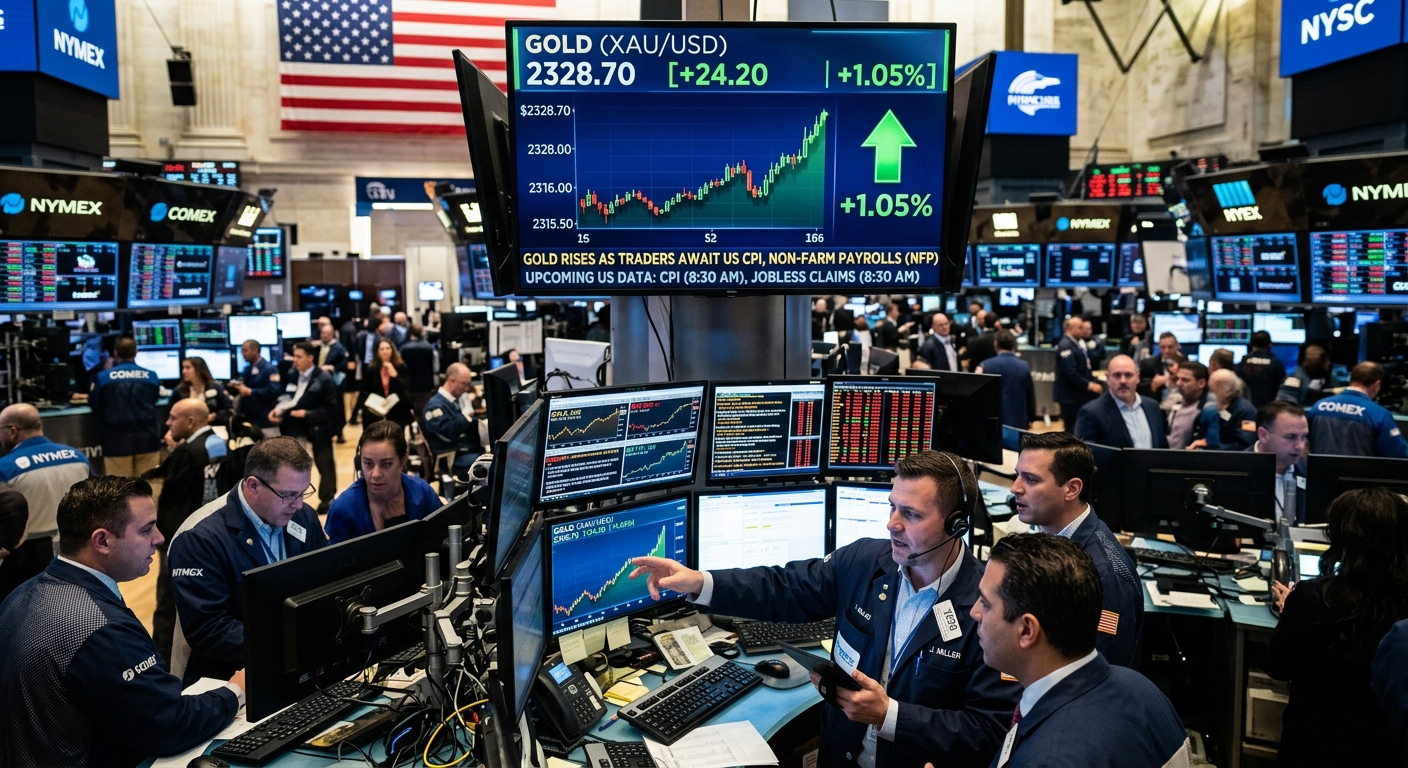
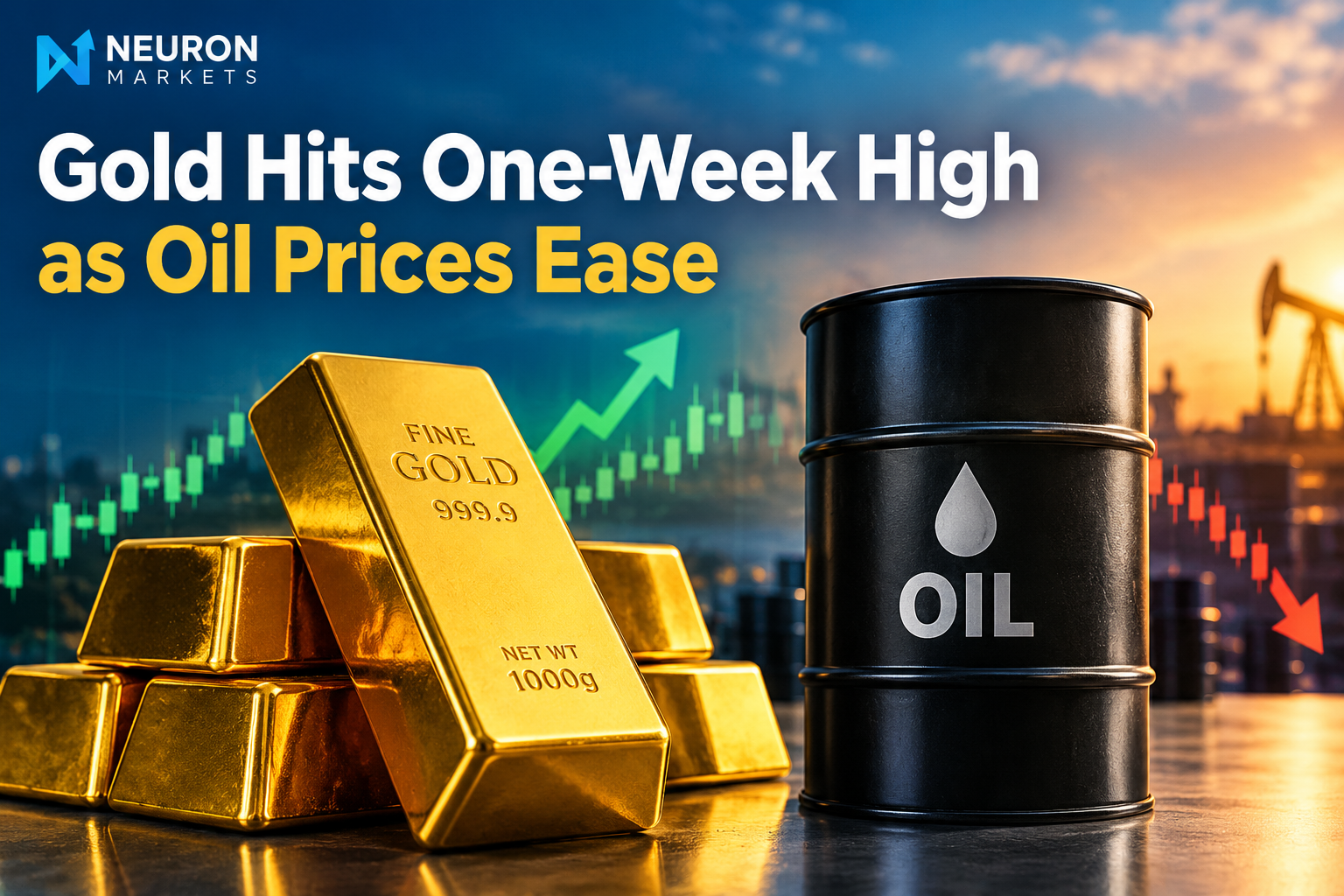
Gold prices rose as oil prices fell and the US dollar weakened, giving buyers some support before US inflation data. Investors are watching indicators closely for clues about the next interest rate decision by the Federal Reserve.
The inflation report could change expectations for US policy Treasury yields and the direction of the dollar. These factors are especially important for gold because gold does not pay interest.
Although gold has regained some ground uncertainty remains about the market outlook. Traders must decide whether the latest rise shows buying interest or is only a temporary rebound after recent selling pressure.
Gold Finds Support as the Dollar Weakens
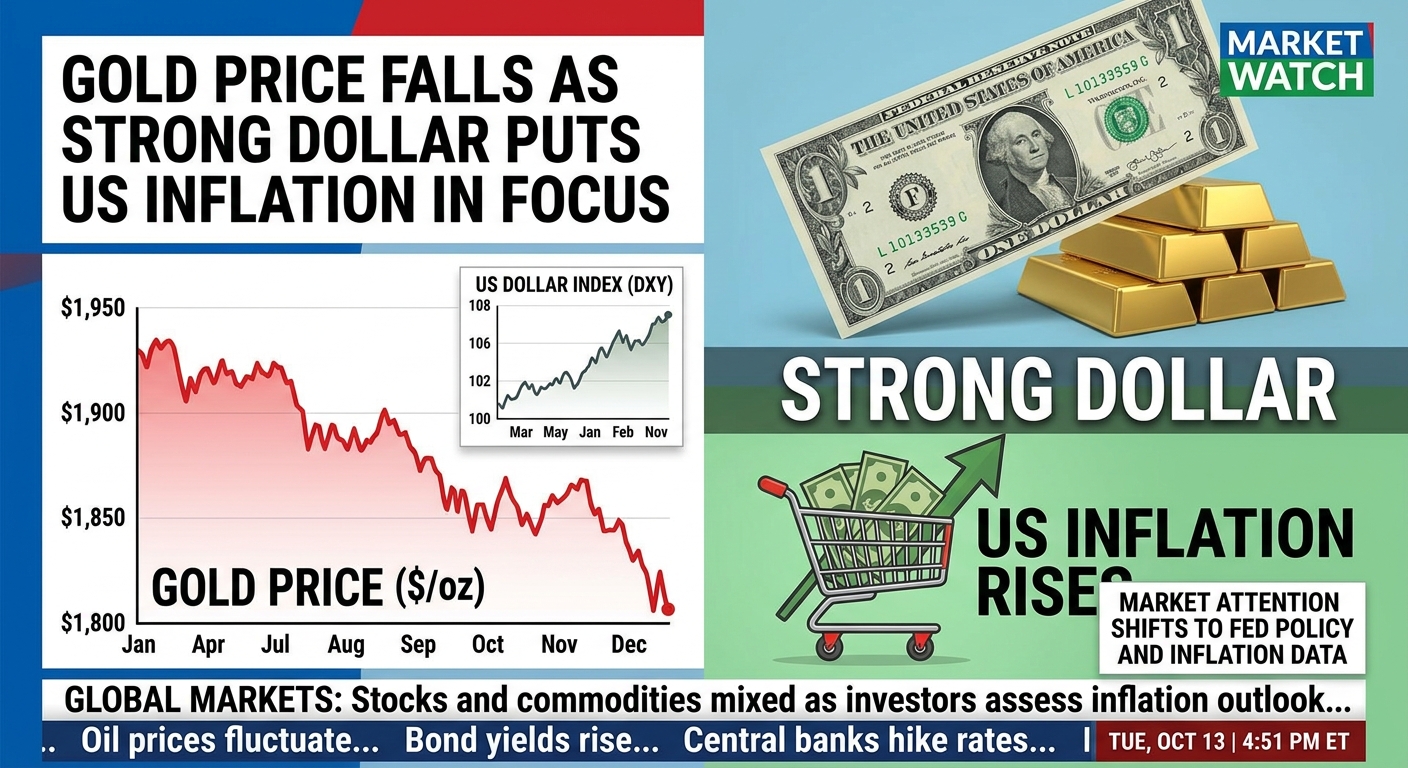
The US dollar is a factor that influences gold prices. Because gold is priced worldwide in dollars a weaker US currency can make the metal cheaper for buyers who use currencies.
This relationship can encourage demand and support prices. However the connection is not always steady because gold also reacts to interest rates central bank purchases, geopolitical events and investor demand for safe‑haven assets.
The dollars retreat has therefore made a supportive environment for gold. If the currency keeps weakening gold could attract buying interest.
However stronger US economic data could reverse this trend. If investors raise their expectations for interest rates the dollar could regain momentum and limit golds recovery.
Lower Oil Prices Influence Inflation Expectations
Oil prices are another factor in the current market outlook. A fall in crude oil prices can ease worries about energy costs and lessen some pressure on headline inflation.
Lower energy prices may also shape expectations for central bank decisions. If investors think inflation will slow they may worry less about more tightening.
This environment can support gold especially if Treasury yields also fall.
However the link between oil and gold is complex. Falling oil prices may sometimes show global demand, which can raise worries about economic growth.
In circumstances investors may increase their exposure to safe‑haven assets, including gold.
Any new supply disruptions or geopolitical tensions could also push oil prices higher again changing inflation expectations and market sentiment.
US Inflation Data Takes Centre Stage
The upcoming US inflation report is likely to be a catalyst for gold and currency markets. Investors will look at the figures to see whether price pressures are easing or staying strong. If Inflation Comes in Lower Than Expected. A softer inflation reading could lower expectations for interest rate hikes. Treasury yields and the dollar could weaken if markets expect a restrictive monetary policy.
Such a reaction could give support to gold and help extend its recovery.
Nevertheless traders should wait for confirmation from bond and currency markets of assuming that lower inflation will automatically lift gold.
If Inflation Exceeds Expectations
Stronger than expected inflation could raise worries that the Federal Reserve will keep policy longer or consider more tightening.
This could push Treasury yields and the dollar higher adding pressure on gold.
In this scenario traders would watch if gold can hold its support levels or if sellers take control again.
Gold Price Forecast: Key Levels to Watch
Golds move will depend on technical conditions and the markets reaction to US economic data. Traders should watch swing highs and lows on the daily chart to spot areas where buying and selling pressure have appeared.
The following levels are reference points not verified live prices. They should be checked against a XAU/USD chart before publishing or using them in a trading decision.
Resistance: $4,200, a level to watch if gold trades nearby.
Higher resistance: $4,310, a barrier if buying momentum strengthens.
Support: $4,100, an area to watch for signs of renewed demand.
Lower support: $3,940, a downside reference if selling speeds up.
A sustained move above resistance could strengthen the short‑term bullish outlook.
Conversely a decisive break below support could show that sellers remain in control.
Technical levels should always be interpreted in the context of the market price and chart structure.
Treasury Yields Remain Important
US Treasury yields play a role, in golds performance. When yields rise interest‑bearing assets can become more attractive compared to gold. When yields fall the opportunity cost of holding gold may decline.
Because of this traders should watch both inflation‑adjusted Treasury yields after the inflation release.
A weaker dollar with falling yields can make gold more attractive.. If yields rise even when the dollar is weaker gold may find it hard to keep its gains.
The market will react based on how the data shifts expectations for interest rates not just on the headline inflation figure.
Trading Strategy and Risk Management
Traders who think about taking gold positions should not jump into the market just because prices have gone up. Economic news can cause price swings, false breakouts and sudden reversals.
A disciplined approach is to wait for confirmation. For a bullish setup traders should look for a steady break above resistance followed by a good retest. A bearish setup could appear if gold pushes back against resistance and falls below a support level.
Stop‑loss orders, realistic profit targets and proper position sizing are essential. Traders should also think about spreads and higher volatility around major economic releases.
Gold has gained support as oil prices fall. The US dollar weakens, but the upcoming US inflation report may decide whether the recovery keeps going.
Softer inflation may support gold if it brings yields and a weaker dollar. Stronger inflation could cause the reaction by raising expectations for tighter Federal Reserve policy.
For now traders should watch inflation data, Treasury yields, dollar movements and key technical levels before deciding on a direction.
Disclaimer: This article is, for purposes only and does not give financial advice. Gold and forex trading involve risk and losses can exceed expectations.