Last Updated on October 3, 2026 by Deon
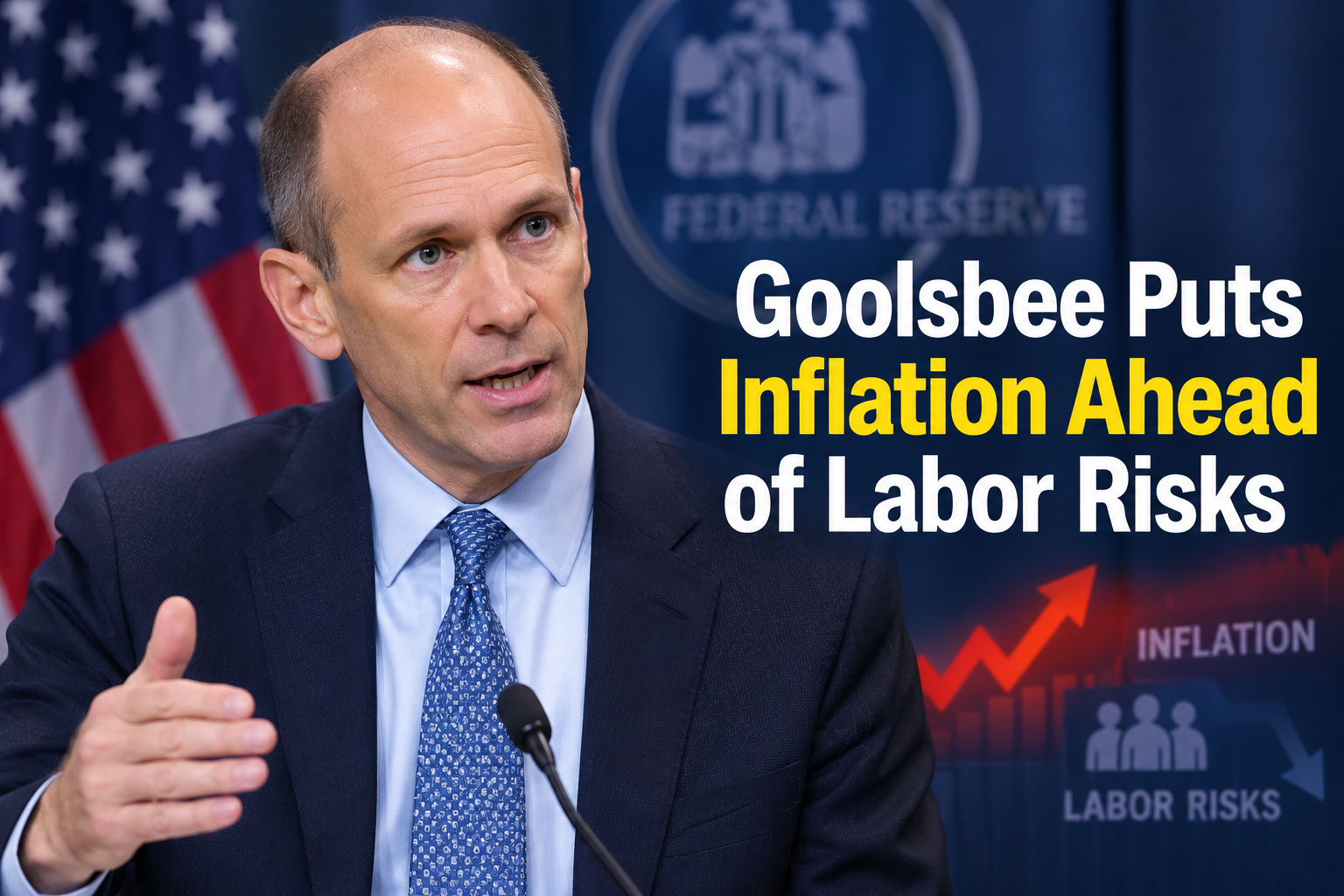
Federal Reserve Bank of Chicago President Austan Goolsbee said inflation has become the important concern for US monetary policy as the labor market remains relatively steady. His comments came after the release of than-expected September employment data adding another layer to the debate over the Federal Reserves next interest-rate decision.
Goolsbee said there is still room for both a rate hike and a pause at the meeting. He emphasized that policymakers need evidence showing that inflation is moving back toward the Federal Reserves 2% target before determining the appropriate policy path.
Inflation Becomes the Main Focus
Goolsbees comments indicate that inflation remains a consideration despite recent signs of cooling in the US labor market.
The September employment report showed payroll growth of 29,000 compared with expectations for around 90,000. The unemployment rate also increased to 4.2%. However Goolsbee described the labor market as steady. Said he would not react too strongly to a single months data.
This leaves the Federal Reserve balancing two parts of its mandate: price stability and maximum employment.
Rate Hike or Pause Remains
Goolsbee did not commit to a specific decision at the next Federal Reserve meeting. Instead he said that a rate increase and a pause remain possibilities.
His comments are important because financial markets had been reassessing expectations for US policy following the weaker jobs report. A softer labor market can reduce pressure for policy but persistent inflation can create the opposite pressure.
Goolsbees approach suggests that upcoming economic data will play a role in determining the next move.
Jobs Data Shows a Softer Labor Market
The September payroll figures provided evidence of employment growth. Payrolls increased by 29,000 while previous months were revised lower. The unemployment rate rose to 4.2%.
At the time the increase in unemployment partly reflected a rise in labor-force participation meaning more people were entering the workforce and looking for jobs. This makes the labor-market picture more mixed than the headline payroll number alone suggests.
For Fed officials the question is whether the weaker employment numbers represent a deterioration or a temporary slowdown.
Inflation Data Still Matters
Goolsbees comments put renewed attention on inflation indicators. The Federal Reserve wants evidence that inflation is moving sustainably toward its 2% objective.
Earlier US inflation data had shown some improvement. Policymakers continue to monitor price pressures carefully. Energy prices have also contributed to concerns about inflation. US Treasury yields recently reached -year highs as markets considered the potential impact of persistent inflation and higher energy costs.
The combination of employment and lingering inflation creates a complicated policy environment.
Impact on the US Dollar
Federal Reserve expectations are closely connected to movements in the US Dollar. If traders expect interest rates to remain higher for longer the Dollar can receive support from US yields.
Goolsbees comments therefore remain relevant for currency traders because they leave the policy outlook open. The Dollar had recently maintained momentum even as some US inflation measures softened, with short-term yields remaining an important market driver.
Traders will continue watching data for signals about whether the Fed is likely to maintain, increase or eventually reduce borrowing costs.
Treasury Yields Remain Important
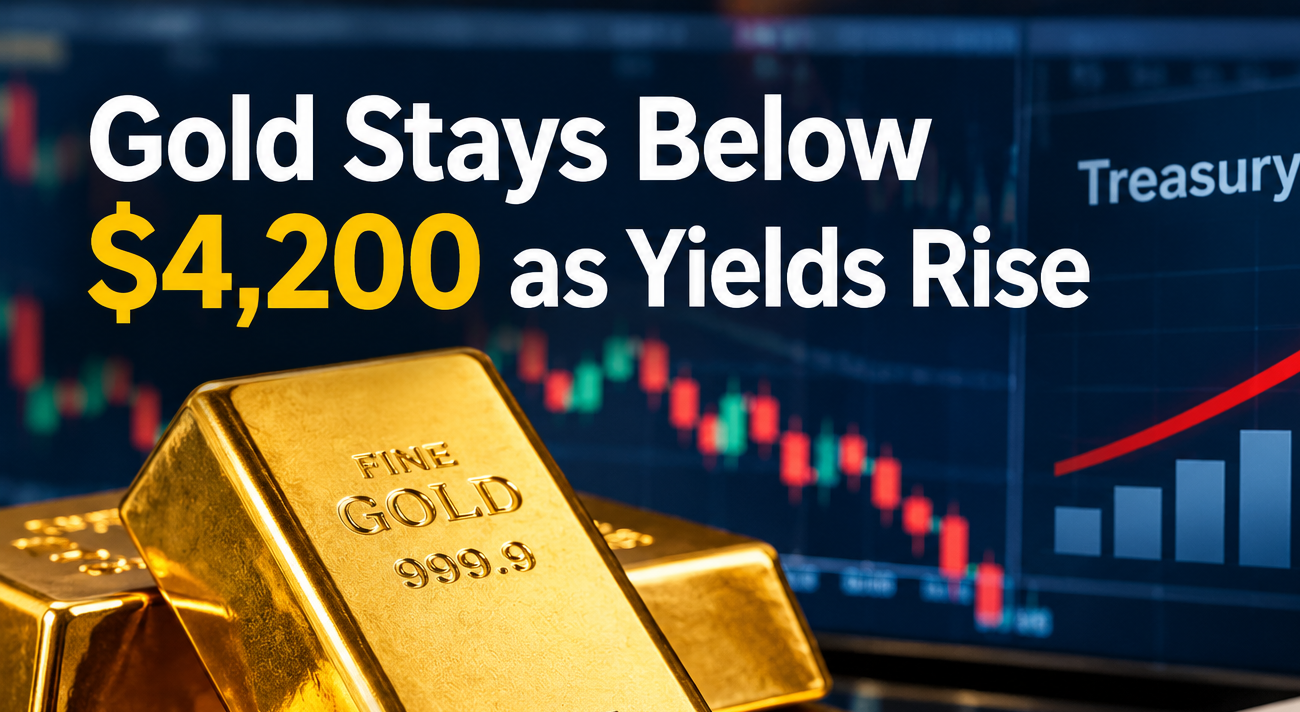
US Treasury yields are another part of the market reaction. Higher yields can support the US Dollar while increasing the opportunity cost of holding -yielding assets such as gold. Recent market trading showed that Treasury yields could rebound quickly after weaker employment data initially pushed yields lower.
This means traders may continue to monitor the relationship between inflation expectations, Fed policy and bond yields.
What Traders Should Watch
Several factors will remain important in the coming sessions:
US inflation data: Further evidence of easing price pressures could influence Fed expectations.
Labor-market reports: Additional weakness could change the policy discussion.
Treasury yields: Changes in yields can affect the Dollar, gold and other markets.
Fed speeches: Comments from policymakers may provide clues.
US Dollar: Rate expectations remain a driver of DXY and major currency pairs.
Market Outlook
Goolsbees latest comments show that the Federal Reserve is not treating the September jobs report as a reason to immediately shift policy. While employment growth was weak he characterized the labor market steady and placed greater emphasis on inflation.
For traders the key issue is whether upcoming data provides evidence that inflation is returning toward the Feds 2% objective. Until that evidence becomes clearer both a rate hike and a pause remain part of the policy discussion.
The combination of inflation data, employment conditions Treasury yields and further Fed communication will continue to shape expectations across the US Dollar, gold, bonds and other financial markets.