Last Updated on October 9, 2026 by Deon
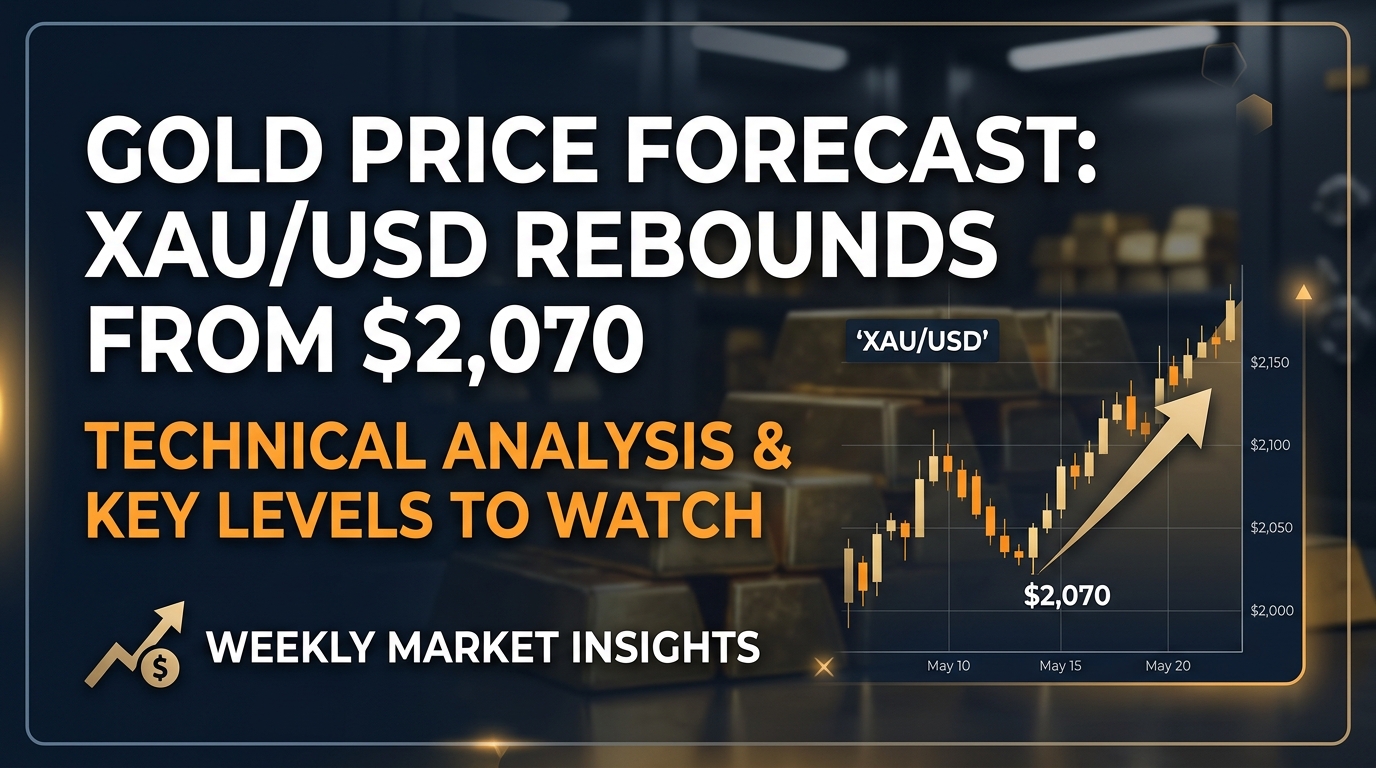
Gold prices rose on Friday, October 9 hitting a high as the US dollar weakened and Treasury yields dropped. The precious metal kept recovering from a two-month low near $4,066 drawing buyers for a straight session. Still the recovery is not certain. Expectations of interest rate hikes by the Federal Reserve could limit further gains. Source: FXStreet
For traders the big question is whether gold can break above resistance levels or if sellers will come back in as the US dollar strengthens.
Why Is Gold Moving Higher?
The recent rise in gold prices is tied to changes in the US dollar and government bond yields. Gold is priced in US dollars so a weaker dollar makes the metal cheaper for buyers.
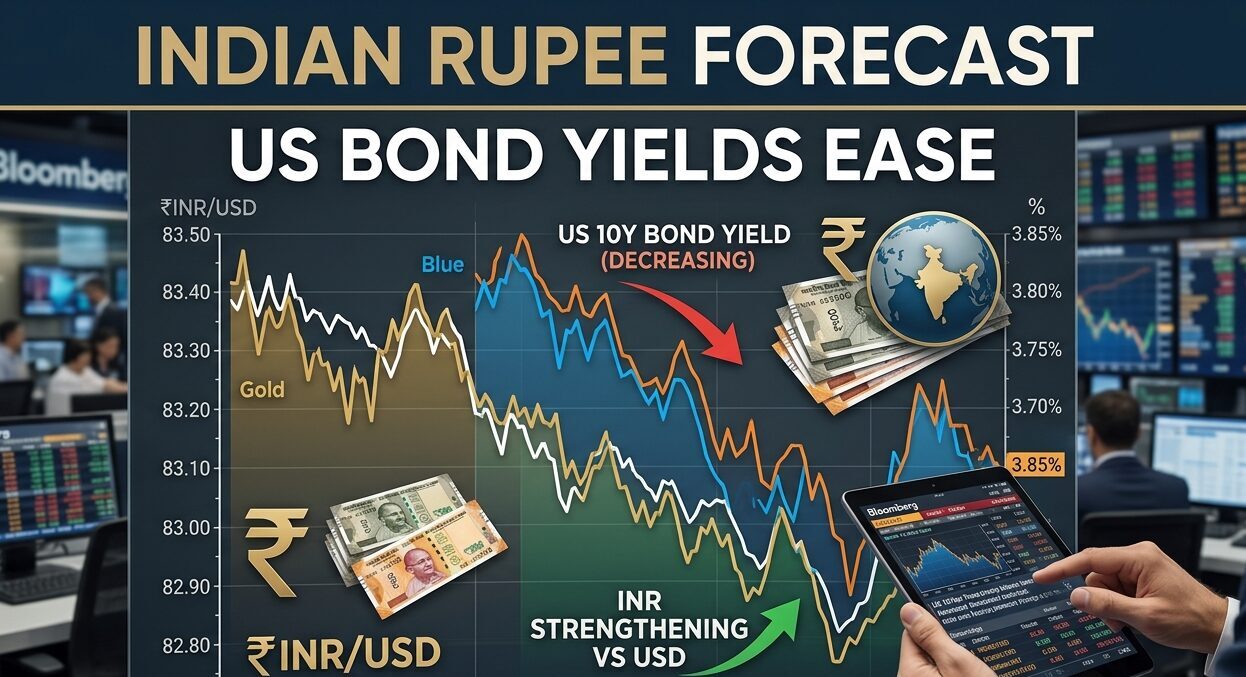
Lower US Treasury yields have also helped support gold. When yields fall gold becomes more attractive because it does not pay interest. This shift can lead to buying especially if investors change their views on monetary policy.
Events in the Middle East have also had an impact. Signs of diplomatic talks between the United States and Iran have eased some worries about energy supplies and rising oil prices.
Lower oil prices may reduce fears of long-term inflation. That could ease pressure on interest rates. Still geopolitical tensions are not fully resolved, meaning gold prices could see swings.
Federal Reserve Policy Remains a Key Risk
with the recent recovery gold’s outlook stays complicated by the chance the Federal Reserve might raise interest rates again.
Higher interest rates usually strengthen the US dollar. Make holding gold more costly. If economic data shows inflation remains strong investors might expect policy. That could bring renewed pressure on gold.
Market participants are watching inflation expectations, consumer sentiment and comments from Federal Reserve officials. These factors could affect the dollar, bond yields and gold prices in the coming days.
The timing and size of any rate hikes are still unclear. Traders should not assume a short-term drop in the dollar means a lasting gold rally.
Gold Price Forecast: Important Technical Levels
Gold is still within a price range though it shows signs of stronger momentum. Technical levels from the FXStreet analysis offer points for traders tracking possible breakouts and pullbacks.
Resistance Levels
The $4,200 level is the major resistance area. A sustained move above this line could improve the short-term outlook. Bring in more buyers.
The next resistance zone is around $4,227 to $4,231. That’s where the 100-period moving average and a Fibonacci retracement level meet.
If gold breaks above that zone with force traders could look toward $4,320 as the next upside goal. Further resistance may appear around $4,409.
These levels are reference points, not guaranteed targets.
Support Levels
On the downside $4,104 is a support area noted in the technical review. A strong hold above this level could help gold maintain its recovery.
The earlier low near $4,066 is another level to watch. A new drop toward that mark would suggest selling pressure is still strong.
A clear move below support could weaken the recovery and make traders reconsider their bullish views.
Trading Strategies for XAU/USD
Traders can use the market structure to build conditional plans instead of just going based on price direction.
1. Breakout Trading
A bullish breakout strategy needs gold to move above the $4,200 resistance and show that buyers can keep control.
Traders may wait for a candle to close above resistance and then look for a retest before entering. A failed breakout could instead suggest sellers are still in charge.
2. Support-Based Trading
If gold drops back to $4,104 traders can watch for signs of buying interest—like a reversal candle or rising momentum.
Support alone is not a buy signal. A clear rejection of prices gives stronger confirmation. A decisive break below support may cancel the setup.
3. Bearish Trading Scenario
If gold keeps failing to break above resistance and then drops below short-term support a bearish situation could form.
Traders should wait for confirmation before selling. A stop-loss should be placed where it invalidates the trade idea.
For every trade calculate the loss first and make sure the expected reward is worth the risk.
Risk Management in Gold Trading
Gold prices can move quickly due to news, geopolitical events or shifts in interest rate expectations. Risk management is essential.
Traders should consider these practices:
Set a stop-loss before opening a trade.
Risk a small set portion of trading capital on each trade.
Do not increase position size after a losing trade.
Check the calendar before entering the market.
Avoid chasing price moves without confirmation.
Review the risk-to-reward ratio before placing a trade.
Using a plan helps traders avoid emotional decisions during volatile times. No indicator or strategy can guarantee profits.
What Should Traders Watch Next?
The next move for gold depends on whether the US dollar keeps falling and Treasury yields stay under pressure. Upcoming US consumer sentiment data and inflation expectations may offer clues about the Federal Reserve’s policy path.
Geopolitical events and oil prices will also stay important. Any new tensions could increase volatility. Diplomatic progress might change demand for safe-haven assets.
Traders should focus on how gold reacts near $4,200 resistance and $4,104 support than predicting a breakout in advance.
Gold reached a high as a weaker US dollar and falling Treasury yields helped it recover from a two-month low. Still the outlook remains uncertain. Potential Federal Reserve rate hikes inflation worries and geopolitical risks all continue to affect the market.
The $4,200 resistance area is key to watch. $4,104 And $4,066 are support levels to monitor. A confirmed breakout or breakdown may offer trading chances than entering during unclear price action.