Last Updated on October 9, 2026 by Deon
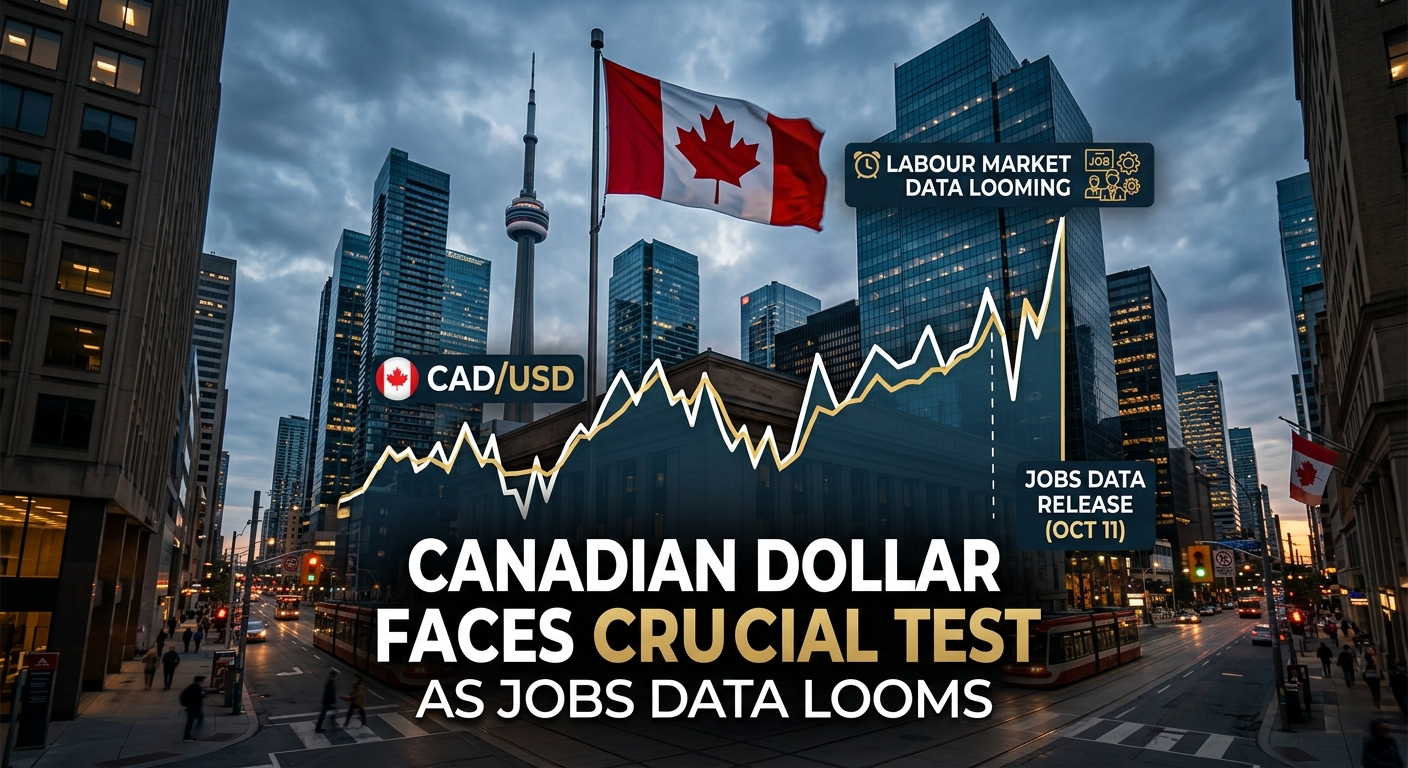
The Canadian dollar is a focus for traders who are looking at Canada’s employment outlook and the future interest‑rate decisions of the Bank of Canada. An article from ING shown on FXStreet shows how labor‑market conditions, expectations about policy and the Canadian dollar move together.
The USD/CAD pair has been trading close to 1.4220. The Canadian dollar has gotten a bit of help because the difference between US and Canadian bond yields has become smaller. Still uncertainty about employment growth inflation and trade keeps traders from being sure that the Canadian dollar will keep recovering.
The newest jobs data matters a lot because it could change what traders expect from the Bank of Canada’s policy move. Traders are looking to see if the Canadian economy looks steadier or if weaker employment could push the Bank of Canada to be more careful with policy.
Canadian Jobs Data in Focus
Employment reports can change currency prices a lot. They give clues about how the economy grows how much people spend and what inflation looks like.
Before the September report economists thought Canadian jobs would rise by about 7,000 to 10,000 after a fall of 41,700 in August. They also expected the unemployment rate to go from 6.5% to 6.6%.
These forecasts showed worries about how fast hiring’s happening and how healthy Canada’s labor market is.
If employment growth is stronger than expected the Canadian dollar could get support. A strong labor market may show that the economy can handle financial conditions, which might lower the guess that the Bank of Canada will ease policy again.
On the hand weaker employment numbers could make traders worry more about economic growth. If unemployment rises a lot or hiring misses the mark traders may think the Bank of Canada will stay careful with interest rates.
How the market reacts will also depend on how wages grow and on changes to employment numbers. Higher wages can help families. They can also make the inflation picture more complicated.
Bank of Canada Policy Outlook
The Bank of Canada’s monetary policy is still a driver of the Canadian dollar. What people think about interest rates changes bond yields, how money moves and how attractive it is to hold dollars.
ING’s earlier analysis said the level that would trigger a hawkish move by the Bank of Canada was still high. The outlook showed that inflation pressure is mostly under control labor‑market risk is trade ties with the United States are uncertain.
A hawkish stance usually means keeping rates or hinting that rates could rise. These expectations can help the currency because they make the yield more attractive.
A dovish stance on the hand shows that the Bank of Canada might lower rates or keep conditions easy. This can make the currency weaker if people think Canadian yields will drop compared to U.S. Yields.
For traders the main question is whether the employment report will change what people expect the Bank of Canada to do. One data release can move prices in the term but a lasting trend usually needs more proof from inflation, employment and growth.
USD/CAD Forecast: What Should Traders Watch?
USD/CAD shows how many Canadian dollars are needed to buy one U.S. Dollar. If the pair goes up it usually means the U.S. Dollar is stronger or the Canadian dollar is weaker. If it goes down it means the opposite.
The pair’s recent move near 1.4220 explains why traders must look at both currencies of only Canadian news.
Bullish USD/CAD Scenario
USD/CAD could rise if Canadian employment data disappoints and investors get more careful about the country’s outlook.
If weaker jobs numbers make people expect Canadian rates while U.S. Yields stay strong the difference in yields could help the U.S. Dollar.
In this case traders can look to see if the pair stays above support and if a clear bullish breakout appears. Traders should find resistance levels on the charts before buying.
Bearish USD/CAD Scenario
A stronger Canadian employment report could help the dollar especially if it cuts expectations that the Bank of Canada will ease policy.
The pair could fall if Canadian bond yields rise compared to U.S. Yields or if the U.S. Dollar keeps getting weaker.
Traders can look for a drop below short‑term support before thinking about a bearish plan. If the break fails it may show that buyers are still active and that the overall range is still in place.
Neither scenario is certain. The real reaction will depend on the employment numbers what traders expect and the policy outlook that comes with it.
Why Bond Yields Matter for the Canadian Dollar
The gap between U.S. And Canadian bond yields is a factor, in how USD/CAD moves.
When US yields rise significantly above yields I have seen investors find US assets more attractive. This can increase demand for the US dollar. Put upward pressure on USD/CAD.
When the yield gap narrows the Canadian dollar may become more competitive. I note that recent reporting said the difference between US and Canadian two‑year bond yields has narrowed from 158 basis points to 152 basis points.
However yield spreads are one part of the currency outlook. Oil prices, global risk sentiment and trade developments can also affect the dollar.
Oil Prices and Trade Risks
Canada is an energy exporter so oil prices are an important factor for the Canadian currency.
Higher oil prices can improve the outlook for energy revenues. May support demand for the Canadian dollar. Falling oil prices can have the effect especially if they happen at the same time as weaker economic growth.
Trade relations with the United States are another source of uncertainty. Changes in tariffs or worries about the future of the US‑Mexico‑Canada Agreement (USMCA) could affect business investment, exports and hiring.
These risks may limit the dollars ability to keep gains even if employment data improves for a short time.
Trading Strategies for USD/CAD
Forex traders can use the employment report to prepare trading plans.
Bullish setup: Consider a long USD/CAD trade only after price confirms a move above resistance. Stronger US yields or disappointing Canadian employment data may give fundamental support.
Bearish setup: Consider a short USD/CAD trade if stronger Canadian data comes with a confirmed break below support.
Wait‑and‑see approach: If the pair swings sharply in both directions after the announcement waiting for the market to calm can help avoid entering during much volatility.
Before taking any position set the entry level, stop‑loss and profit target. Do not use leverage or risk too much capital on a single economic announcement.
The dollars outlook depends on employment data, Bank of Canada expectations and the changing relationship between US and Canadian bond yields. Stronger hiring could support the dollar while disappointing figures may raise worries about economic growth and monetary policy.
For USD/CAD traders the important point is how the data changes market expectations rather than whether the headline number is positive or negative. Oil prices and trade uncertainty will also stay influences.
A disciplined approach that mixes analysis, technical confirmation and risk management can help traders navigate the uncertainty around Canadas economic outlook.
Disclaimer: This article is, for purposes only and does not constitute financial advice. Forex trading involves risk especially when leverage is used. Always conduct research and manage your risk carefully.