Last Updated on April 21, 2026 by Deon
Inflation Rising, But Not for the Reasons That Matter Most
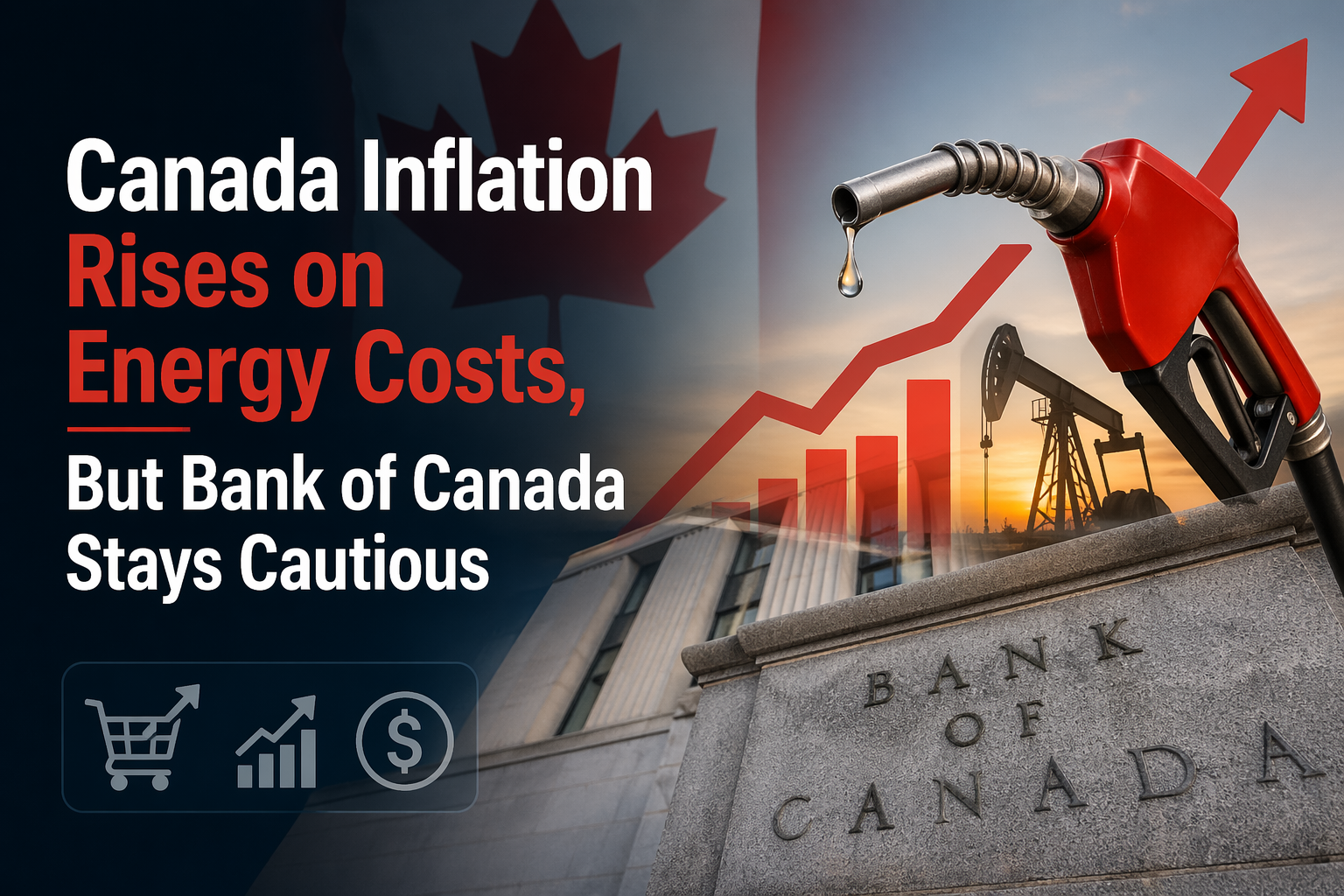
The recent report on prices showed inflation going up again. This is mainly because energy prices and gasoline are rising. These kinds of price increases can quickly push inflation up. They don’t always show what’s really happening in the economy. When economists look closer, they see a picture. Core inflation, which doesn’t include things like energy and food, is actually slowing down. This means that prices are not increasing strongly or dangerously. In terms of prices are going up on the surface, but if you look deeper, things seem more stable.
Why the Bank of Canada Is Being Patient
For the Bank of Canada, this mixed data is not a reason to act fast. The bank has said it can ignore short-term inflation spikes, especially when they’re caused by energy costs.
TD Securities thinks policymakers will wait and see what happens, focusing on long-term trends rather than temporary increases.
The key point is that:
* Inflation is not going up everywhere in the economy
* Core measures are still under control
* There is no need for immediate rate changes
Policy Outlook: Calm Rather Than Reactive
Now there is no sign that the Bank of Canada feels it needs to change interest rates. Instead, it will likely stay patient. Keep watching the data closely. Weak business confidence, slowing growth, and easing core inflation all support this cautious approach. Unless inflation starts rising broadly and persistently, policy is likely to stay the same for now.
Bottom Line
Canada’s inflation story is a bit mixed now—headline numbers are going up, but the underlying trend is still soft. That’s why the Bank of Canada is expected to stay cautious, rather than reactive, waiting for clearer signals before making its next move.