Last Updated on June 18, 2026 by Deon
Forex trading is an active financial market in the world. People who trade forex rely a lot on indicators to look at how prices are moving and to make good decisions. No single indicator can guarantee that you will make a profit. Some indicators are used a lot because they help people see trends, momentum and potential points to buy or sell. It is more important to understand how these indicators work together than to just use one.
Moving Average
The Moving Average is an popular indicator in forex trading. It helps to make the price data smoother and shows the direction of the market. People who trade often use two types: Simple Moving Average and Exponential Moving Average. The Simple Moving Average gives the importance to all prices while the Exponential Moving Average focuses more on recent prices.
Moving averages are mainly used to see trends. When the price is above the Moving Average it usually means the market is going up and when it is below it means the market is going down. A lot of people who trade also use crossovers, such as when a term Moving Average crosses above a long term one which can be a sign to buy.
Relative Strength Index
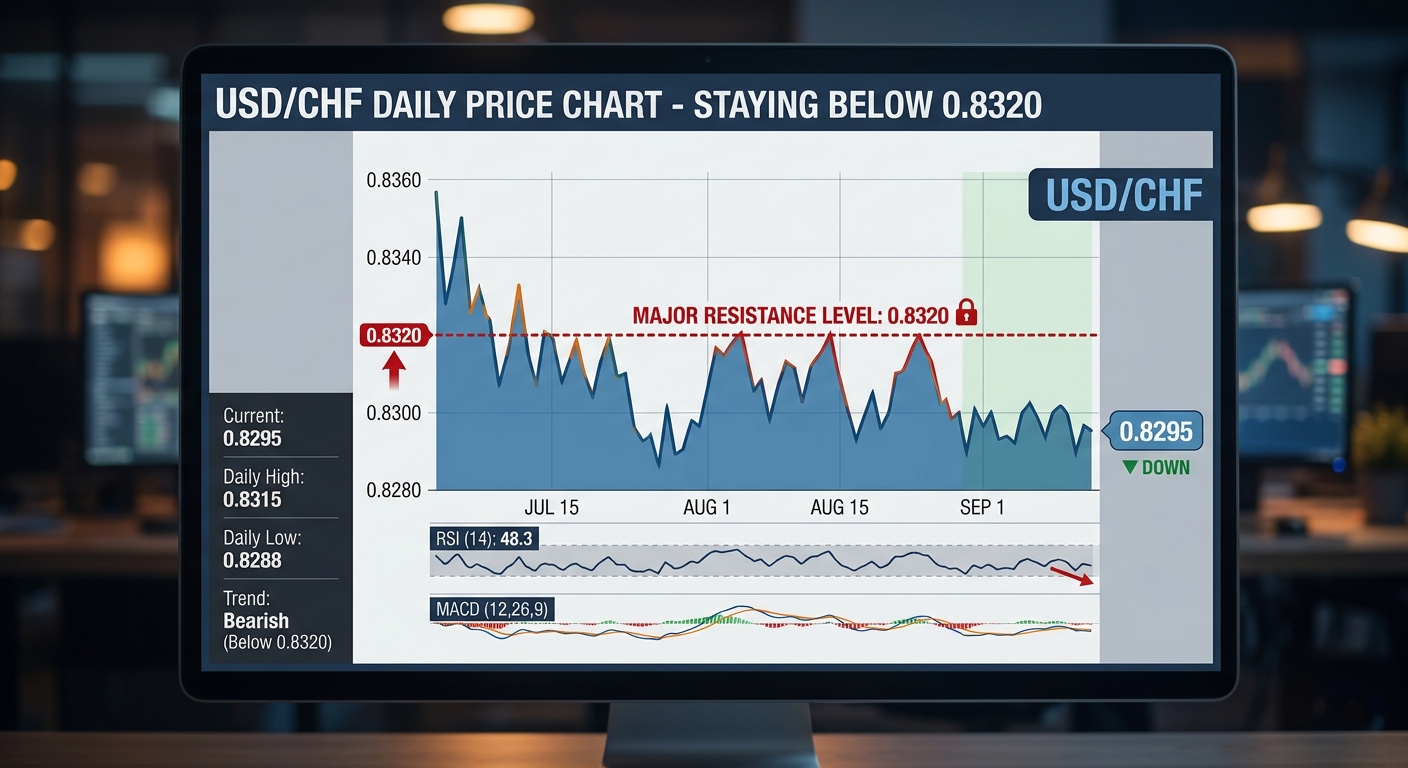
The Relative Strength Index is an indicator that shows if a currency pair is overbought or oversold. It works on a scale from 0 to 100. Usually if the reading is above 70 it means the market is overbought and if it is below 30 it means the market is oversold.
The Relative Strength Index is useful for seeing points where the market might reverse. However in markets that are trending strongly the Relative Strength Index can stay overbought. Oversold for a long time so it should not be used alone without looking at signals from other indicators.
MACD
The MACD is another indicator in forex trading. It helps people who trade to understand the direction of the trend and the momentum. The MACD has two moving averages and a histogram that shows the difference between them.
When the MACD line crosses above the line it is often a sign to buy. When it crosses below it can mean the market is going down. The histogram also helps people who trade to see if the momentum is getting stronger or weaker.
Bollinger Bands
Bollinger Bands are used to measure how volatile the market is. They have three lines: a moving average and two outer bands that get bigger or smaller based on how the market is moving. When the bands are wide it means the market is very volatile and when they are narrow it means the market is not very volatile.
People who trade often look for the price to touch the lower bands as a sign that the market might reverse. However in trends the price can stay near the bands for a long time so it is necessary to look at other signs to confirm.
Fibonacci Retracement
Fibonacci Retracement is based on math. Is used to find potential support and resistance levels. People who trade draw Fibonacci levels between an low point on the chart and they watch the key levels like 38.2%, 50% and 61.8% closely.
These levels often act as areas where the price might reverse or continue the trend. Many people who trade combine Fibonacci levels with indicators to be more accurate.
Conclusion
There is no best indicator for forex trading. Instead successful traders use indicators like Moving Averages, Relative Strength Index, MACD, Bollinger Bands and Fibonacci Retracement to confirm signs and reduce risk. The key is not just to use indicators but to understand how they work together in market conditions. Forex trading is, about using these indicators to make decisions. People who trade forex need to understand how Moving Averages, Relative Strength Index, MACD, Bollinger Bands and Fibonacci Retracement work together.