Last Updated on October 16, 2026 by Deon
US Dollar Remains Under Pressure
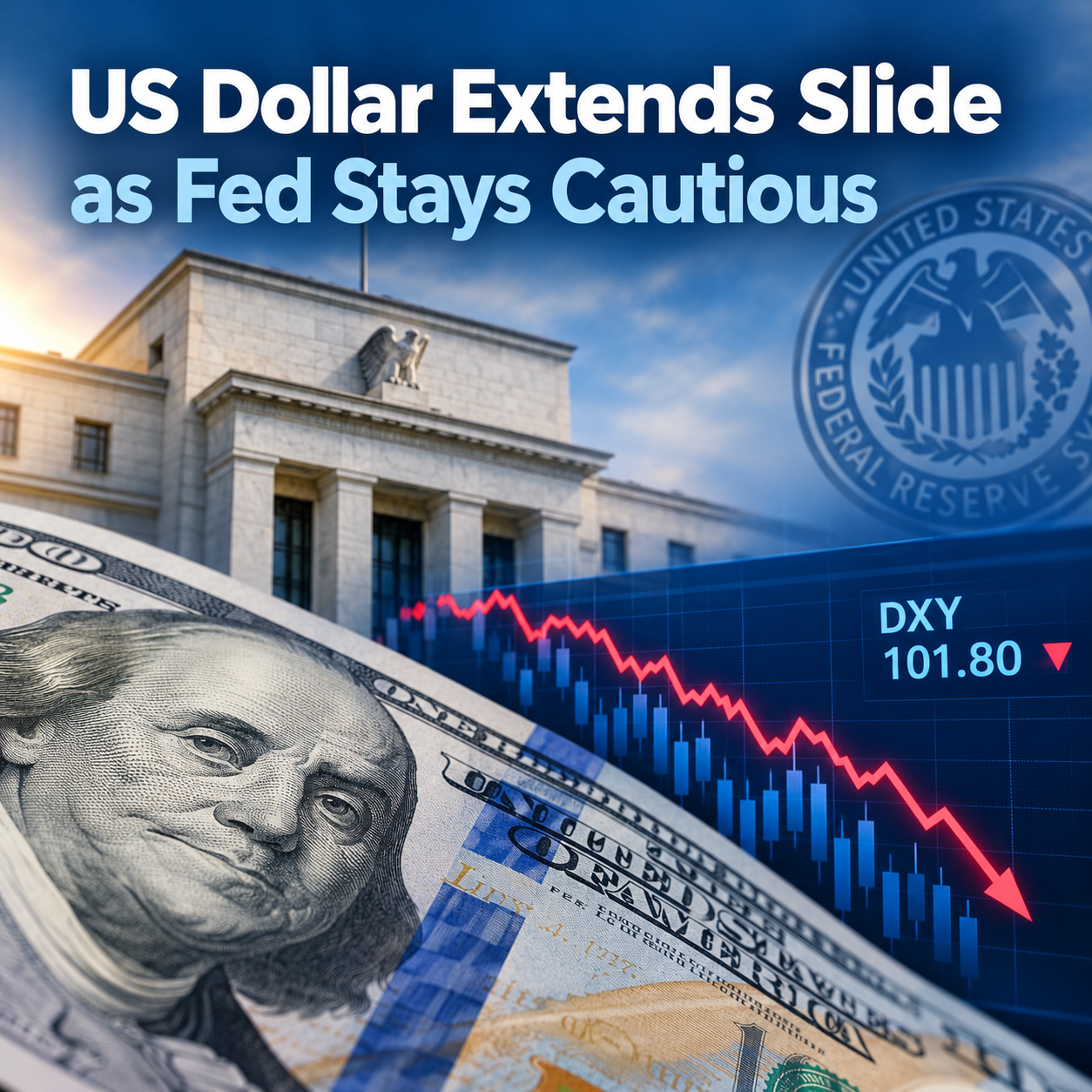
The US Dollar extended its decline on Friday as traders continued to react to Federal Reserve Chair Kevin Warshs comments. The Greenback had already weakened against its rivals on Thursday and the selling pressure continued into the European session.
The US Dollar Index (DXY) which tracks the currency against a basket of six currencies was trading near 101.70, its lowest level in two weeks. The index was down around 0.3% on the day as traders reassessed expectations for US interest rates.
The latest weakness highlights how sensitive the Dollar remains to changes in Treasury yields and Federal Reserve expectations.
Warsh Avoids Clear Rate Guidance
Fed Chair Kevin Warshs comments were a focus for financial markets. Warsh emphasized the importance of price stability while also discussing growth and increased investment linked to artificial intelligence. However he avoided giving investors a signal about the future path of interest rates.
That cautious approach was important for the currency market. Of confirming expectations for additional tightening Warsh stressed that upcoming Federal Open Market Committee meetings would be important for assessing economic growth, employment and inflation.
His comments contributed to another decline in US Treasury yields, which in turn increased selling pressure on the US Dollar.
For traders the lack of guidance means upcoming economic data could play an even larger role in determining the next direction for the Greenback.
Strong US Data Fails to Lift USD
Recent US economic figures have provided signals.
Producer inflation came in hotter than expected while Retail Sales showed consumer activity. Normally stronger inflation and resilient spending could encourage traders to price in a restrictive Federal Reserve policy.
However these figures were not enough to produce a Dollar recovery.
The decline in Treasury yields and Warshs cautious comments appear to have outweighed the economic data. This suggests that investors are currently paying attention to the broader interest-rate outlook rather than focusing on individual economic releases.
The next important US data releases include the Import Price Index, Export Price Index and September Industrial Production figures. These reports could create volatility across major currency pairs.
EUR/USD Moves Higher
The Euro benefited from the US Dollar decline on Friday. EUR/USD climbed toward 1.1250 during the morning gaining around 0.2% on the day. The move reflects demand for the Euro as the Greenback loses ground.
If US yields remain under pressure EUR/USD could receive support. However traders will also watch Eurozone inflation data revisions for fresh direction.
A stronger-than-expected European inflation reading could influence expectations for European Central Bank policy while softer data could limit the Euros gains.
GBP/USD Breaks Above 1.3300
The British Pound also strengthened against the US Dollar.
GBP/USD moved above 1.3300 Friday and reached its highest level in roughly three weeks near 1.3320. The pair benefited from Dollar weakness despite ongoing concerns about UK inflation.
Bank of England Governor Andrew Bailey noted that inflation above the banks target remains a significant challenge. He also indicated that it was still too early to form conclusions about second-round inflation effects.
For GBP/USD traders the combination of UK inflation expectations and continued Dollar weakness will remain important.
USD/JPY Holds Below 158.00
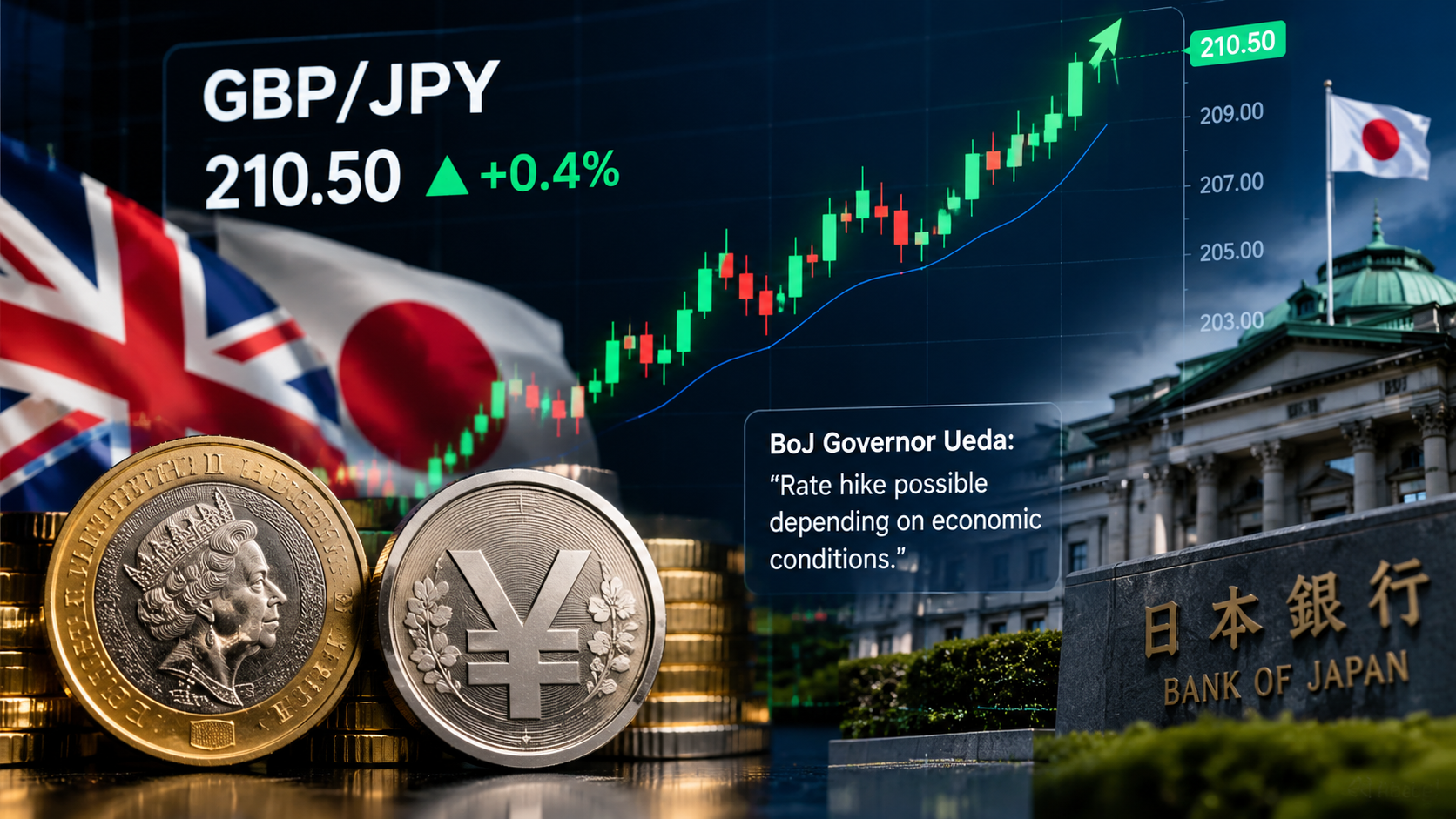
USD/JPY remained in a range below 158.00 as the Japanese Yen gained some ground against the Greenback. Bank of Japan Governor Kazuo Ueda said the central bank would continue adjusting interest rates depending on price and financial developments. The comments reinforce expectations that the BoJ remains prepared to adjust policy when conditions justify it.
For USD/JPY the 158.00 region remains a psychological level. Continued Dollar weakness could keep the pair below this area while a recovery in US yields could support another test of resistance.
Gold Gains as Dollar Weakens
Gold also benefited from the decline in the US Dollar and Treasury yields. The precious metal extended its recovery after rising than 1.5% on Thursday and moved closer to the $4,200 level. Lower yields generally reduce the opportunity cost of holding -yielding assets such as gold.
A weaker Dollar can also make gold cheaper for buyers potentially supporting demand.
The combination of yields, a weaker Greenback and a more patient Federal Reserve stance has therefore created a favorable short-term environment for the precious metal.
US Dollar Outlook
The near-term US Dollar outlook remains bearish while DXY continues to trade below highs. The key issue for traders is whether the decline in Treasury yields will continue. If yields remain lower and the Federal Reserve avoids signaling rate increases the Dollar could face additional selling pressure.
However the outlook can change quickly if incoming US data strengthens expectations for monetary policy. Traders should therefore watch inflation, employment, growth and manufacturing data alongside comments from Fed officials.
Key Takeaways for Traders
DXY has fallen to around 101.70, its level in two weeks.
Fed Chair Warsh avoided providing a future rate path.
Lower US Treasury yields are weighing on the Dollar.
EUR/USD has moved toward 1.1250.
GBP/USD has climbed above 1.3300.
USD/JPY remains below 158.00.
Gold is approaching the $4,200 area.
Upcoming US economic data could determine the major USD move.
The US Dollar remains under pressure as traders digest Fed Chair Kevin Warshs comments and the continued decline, in US Treasury yields. Although recent US economic data showed inflation and strong consumer activity the market has not increased Dollar demand significantly.
For now the weaker DXY trend favors currencies and supports gold. The next major catalyst will likely come from US economic data and further Federal Reserve communication.
Traders should monitor Treasury yields, Fed expectations and key technical levels before making trading decisions as the Dollars direction could shift quickly when fresh economic information enters the market.