Last Updated on October 15, 2026 by Deon
Euro Holds Its Recovery
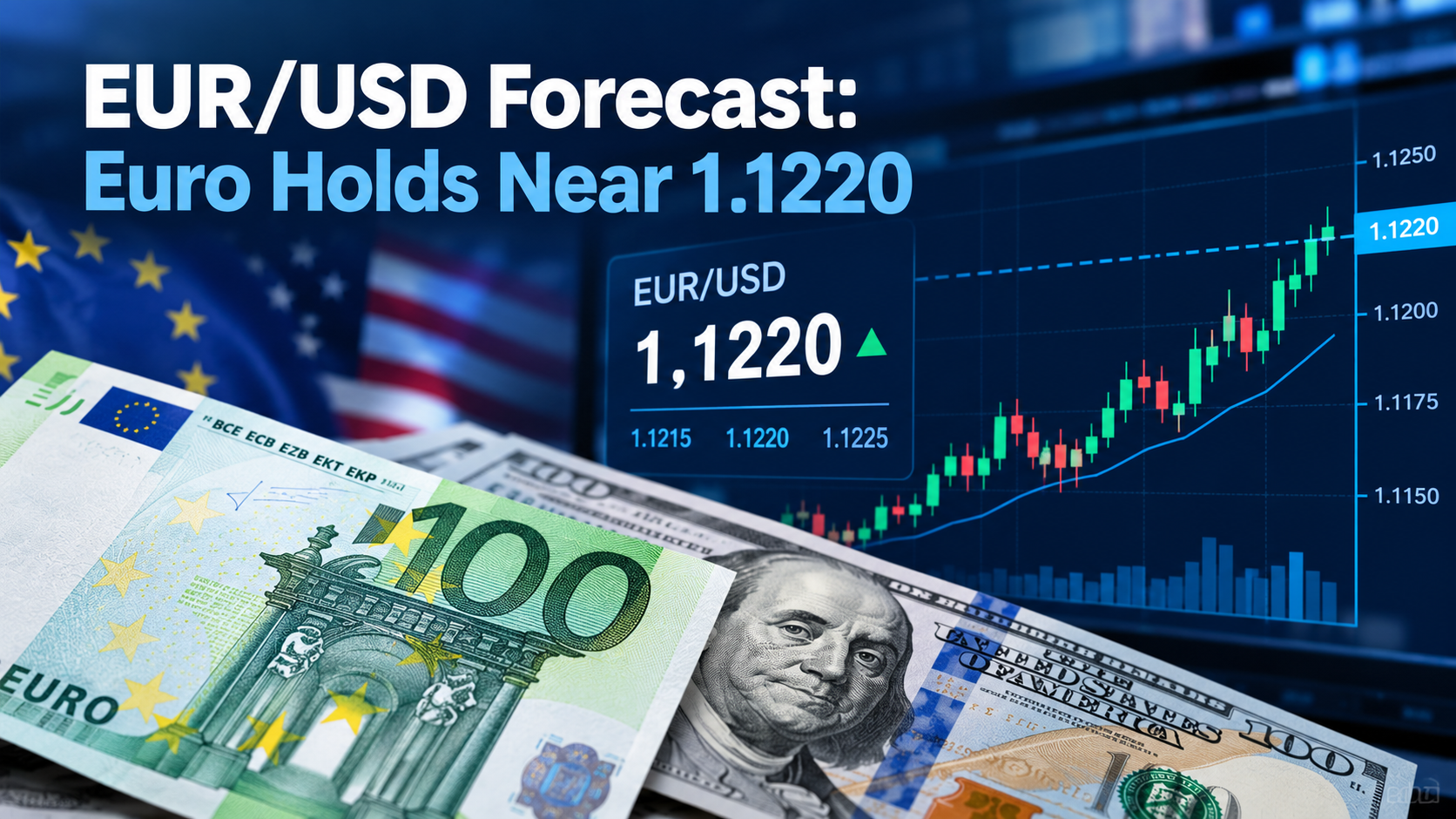
The Euro continues to recover against the US Dollar. EUR/USD is near the 1.1220 level during Thursday’s session. EUR/USD has gained because the US Dollar has weakened again. The US Dollar has struggled to keep its gains after the US inflation report.
The US Dollar Index or DXY fell 0.5% to near 102.00 during the European session. The decline in the Greenback has helped EUR/USD recover from lows. However the broader technical structure still faces pressure.
The next major market catalyst is the US Producer Price Index or PPI. PPI could change expectations for Federal Reserve interest‑rate policy and the direction of the US Dollar.
US Dollar Weakness Supports EUR/USD
The recent recovery in EUR/USD mainly reflects demand for the US Dollar. The Greenback first strengthened after the September US Consumer Price Index report. Those gains have since faded.
Even though US inflation showed price pressures than expected market expectations for an October Federal Reserve rate increase have not grown enough to give lasting support to the US Dollar.
Lower US Treasury yields have also added to the pullback of the US Dollar. When yields fall the appeal of US assets weakens, which reduces demand for the US Dollar.
For EUR/USD continued US Dollar weakness could give the pair room to extend its recovery. However traders will likely stay cautious until clearer signals appear from US economic data.
US PPI in Focus
The September US Producer Price Index is one of the important events on Thursday’s economic calendar. The headline PPI is expected to show growth of 5.3% down from 5.4% before.
Core PPI, which excludes food and energy components is forecast at 4.4% down from 4.6% in the previous reading.
If PPI comes out stronger than expected it could revive concerns about inflation and support expectations for tighter Federal Reserve policy. That scenario could strengthen the US Dollar. Limit gains for EUR/USD.
Conversely if producer inflation is weaker it could reinforce expectations that the Fed will stay on hold at its October meeting. A softer US Dollar could give the Euro support.
Fed Policy Remains a Key Driver
Federal Reserve policy remains central to the outlook for EUR/USD.
The market is currently leaning toward the Fed keeping interest rates at its October meeting even though September CPI figures were stronger. Investors are also watching comments from Fed Chair Kevin Warsh for clues about the central bank’s policy direction.
Warsh is scheduled to discuss with IMF Managing Director Kristalina Georgieva on Friday. Traders will pay attention to Warsh’s comments for indications about whether policymakers could consider an October rate move or wait until December.
Any hawkish comments could boost the US Dollar while a cautious tone could weaken the US Dollar and support EUR/USD.
Eurozone Data Adds Pressure
While the US Dollar has been the driver of the latest recovery for EUR/USD European economic data has not been very supportive.
Eurozone Industrial Production fell 0.5% month‑on‑month in August worse than the market expectation of a reading. July’s decline was also revised to 0.3% from the reported 0.1% contraction.
The weaker industrial data highlights continued challenges for the Eurozone economy. If European economic indicators remain soft the European Central Bank may have reason to adopt a more restrictive policy stance.
This could limit the Euro’s ability to sustain a recovery especially if US data stays firm.
EUR/USD Technical Outlook
From a perspective EUR/USD remains in a corrective phase even though it has recently rebounded.
EUR/USD was trading around 1.1215. Stayed below its 20‑day Exponential Moving Average, which is about 1.1290. This moving average is a short‑term resistance level.
If EUR/USD moves steadily above 1.1290 it would improve the outlook and could show that buyers are gaining stronger control.
Until EUR/USD recovers this level the broader short‑term bias stays cautious. Any recovery may face selling pressure if EUR/USD fails to break above the 20‑day EMA.
The Relative Strength Index was 36. This shows that bearish momentum has eased from conditions but has not yet produced a convincing bullish reversal.
Key Levels for Traders
The 1.1220 area is a near‑time zone as traders assess whether the recovery can continue.
Above the price 1.1290 is the main technical resistance to watch. A decisive break above this level could strengthen the recovery. Improve the structure of EUR/USD, for the short term.
On the downside traders will watch whether EUR/USD can keep its recovery. A new decline would show that sellers are still active and that the overall bearish trend remains strong.
Of looking for one price target traders may want to see how EUR/USD behaves near support and resistance after the US PPI release.
EUR/USD Outlook
The short‑term outlook for EUR/USD depends a lot on how US inflation, expectations of the Federal Reserve and the US Dollar interact.
A softer PPI reading could make the Dollar weaker. Help EUR/USD move higher toward the 1.1290 resistance zone. Stronger inflation data could do the opposite by raising yields and increasing demand for the Greenback.
Comments from Fed Chair Warsh will also matter, because they could shape expectations before the October FOMC meeting.
Now EUR/USD looks steady near 1.1220 but buyers must push past the 1.1290 barrier before the technical outlook improves.
Conclusion
EUR/USD is keeping its recovery near 1.1220 as the US Dollar pulls back from highs. Lower Dollar demand has given short‑term support to the Euro. Weaker Eurozone industrial data keeps the bullish case in check.
The US PPI report and the comments from Fed Chair Warsh are likely to decide the big move. Traders should watch 1.1290 closely as the resistance level while also keeping an eye on US yields inflation expectations and signals, from the Federal Reserve.