Last Updated on August 31, 2026 by Deon
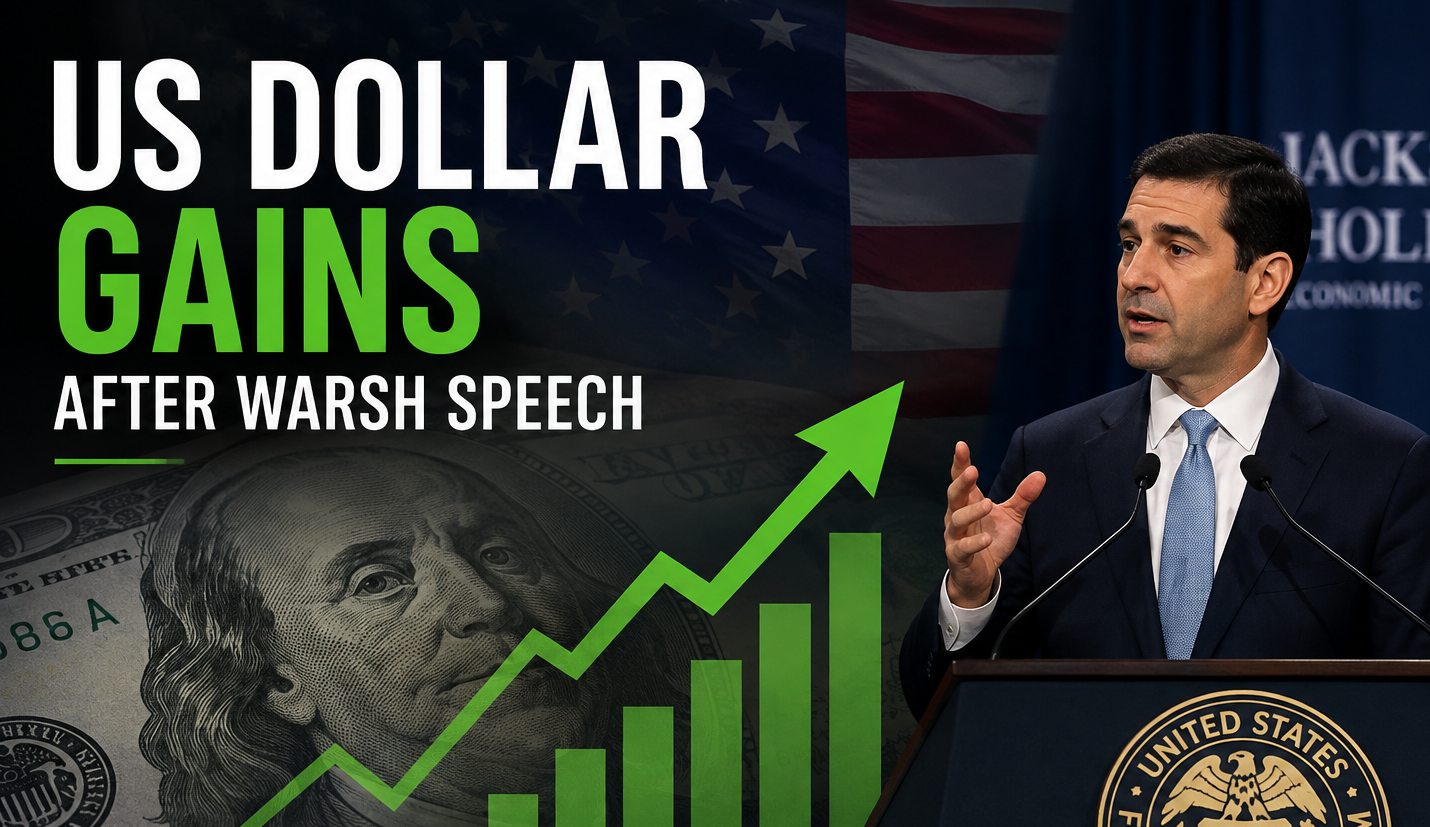
The US dollar received support when Federal Reserve Chair Kevin Warsh spoke in a hawkish tone that pushed investors to reconsider the future of US monetary policy. Market analysis from DBS said that Warshs words made the Greenback stronger because traders changed how they view interest‑rate decisions.
This recent move shows that currency markets are still very sensitive to signals from the Federal Reserve. For months investors have been watching inflation, employment data and Fed officials comments for hints about where interest rates will go. Warsh’s latest speech added another point to that discussion.
A hawkish Federal Reserve can help the US dollar by raising expectations that interest rates will stay high for a longer time. The outlook will still rely on upcoming economic data, especially inflation and labor market reports.
Warshs Speech Supports the US Dollar
Kevin Warshs remarks kept the idea that the Federal Reserve is still focused on controlling inflation alive. A hawkish policy stance usually means that policymakers are less ready to cut interest rates fast and may keep borrowing costs high if inflation remains a worry. This message was good for the US Dollar. Higher interest rates can make US assets more appealing to investors around the world. As demand for US bonds and other Dollar-based assets rises the Greenback can get support.
The markets reaction to Warshs speech shows that investors are treating the idea of a tighter‑for‑longer policy environment seriously. Even if the Federal Reserve does not raise rates away expectations about future policy can greatly influence currency markets.
Because of this Warshs latest speech has become an event for the US Dollar outlook.
Federal Reserve Policy Remains the Main Driver
The Federal Reserves next policy moves will still play a role in deciding where the Greenback goes.
If inflation stays above the banks target policymakers may feel pressure to keep restrictive monetary conditions. This could keep US interest rates high. Give the Dollar more support.
On the hand if inflation slows clearly the Fed might eventually take a less restrictive approach. Lower interest‑rate expectations would probably reduce some of the support the US Dollar has now.
Therefore the market will keep watching every US economic report. Inflation figures, employment data, consumer spending and wage growth can all change how people expect the next Federal Reserve decision to be. Any big surprise could cause volatility in currency markets.
Interest‑Rate Expectations Boost the Greenback
Interest rate expectations are some of the important forces in the currency market. When investors think that US interest rates will stay relatively high the Dollar can become more attractive compared with currencies from countries where central banks are expected to cut rates or keep borrowing costs
Warsh’s hawkish comments made this argument stronger.
The chance of a cautious Federal Reserve could make investors keep supporting the Greenback. At the time higher US Treasury yields may also pull more money into Dollar‑denominated assets.
This link between interest rates, bond yields and currencies stays important for the US Dollar Index and major currency pairs like EUR/USD, GBP/USD and USD/JPY.
However currency movements are seldom driven by one factor. Economic conditions outside the United States and policies of major central banks also affect the broad market.
Inflation Data Could Shape the Next Move
The next big challenge for the US dollar will be the inflation data. If price pressures stay stronger than people expect markets could raise expectations that the Federal Reserve will keep policy tight. This scenario could lift Treasury yields. Give the Greenback another boost.
However, weaker inflation data could cause the reaction. A clear slowdown in inflation may raise expectations that the Federal Reserve could eventually move toward interest rates. In that case the US Dollar could see profit-taking after its gains. This makes upcoming economic reports especially important.
Traders will likely compare each piece of data with the message from Warsh. If economic figures back his stance the Dollar could keep its positive momentum. If the data points to an economy or easing inflation pressures the market might begin to question the higher‑for‑longer interest‑rate outlook.
US Labor Market Also in Focus
Employment data will stay another factor for the Greenback forecast.
A strong labor market can give the Federal Reserve room to keep restrictive policy. If job growth stays healthy and wage pressures stay high policymakers may have reasons to shift quickly toward easier monetary conditions.
On the hand signs of a weakening labor market could raise concerns about economic growth.
A weaker employment outlook may make markets expect a Federal Reserve stance, which could limit gains in the US Dollar.
The upcoming US jobs data will therefore be closely watched by traders and investors.
What Is Next for the US Dollar?
The US Dollar has gotten support from Kevin Warshs hawkish speech but its next big move will depend on whether new economic data backs the Federal Reserves cautious approach.
The key factors to watch are:
US inflation and consumer price data
Nonfarm Payrolls and labor market conditions
Federal Reserve comments and policy signals
Interest‑rate expectations
Economic developments in Europe, Japan and other major economies
For now the Greenback stays supported by expectations that the Federal Reserve may keep policy restrictive. Warshs comments have reminded markets that inflation remains a concern and that policymakers may not be ready to move quickly toward easier conditions.
The Kevin Warsh speech has given fresh support to the US Dollar by strengthening expectations for a hawkish Federal Reserve policy outlook.
As highlighted in the DBS market view the Greenback could stay supported if inflation stays firm and economic data gives the Federal Reserve a reason to keep interest rates.
However the situation remains highly dependent on US economic reports. Softer inflation or weaker labor market data could challenge the Dollars momentum and cause investors to reassess the interest‑rate outlook.
For now forex traders will keep watching Federal Reserve signals, Treasury yields and key US data for the direction, in the currency market.