Last Updated on September 5, 2026 by Deon
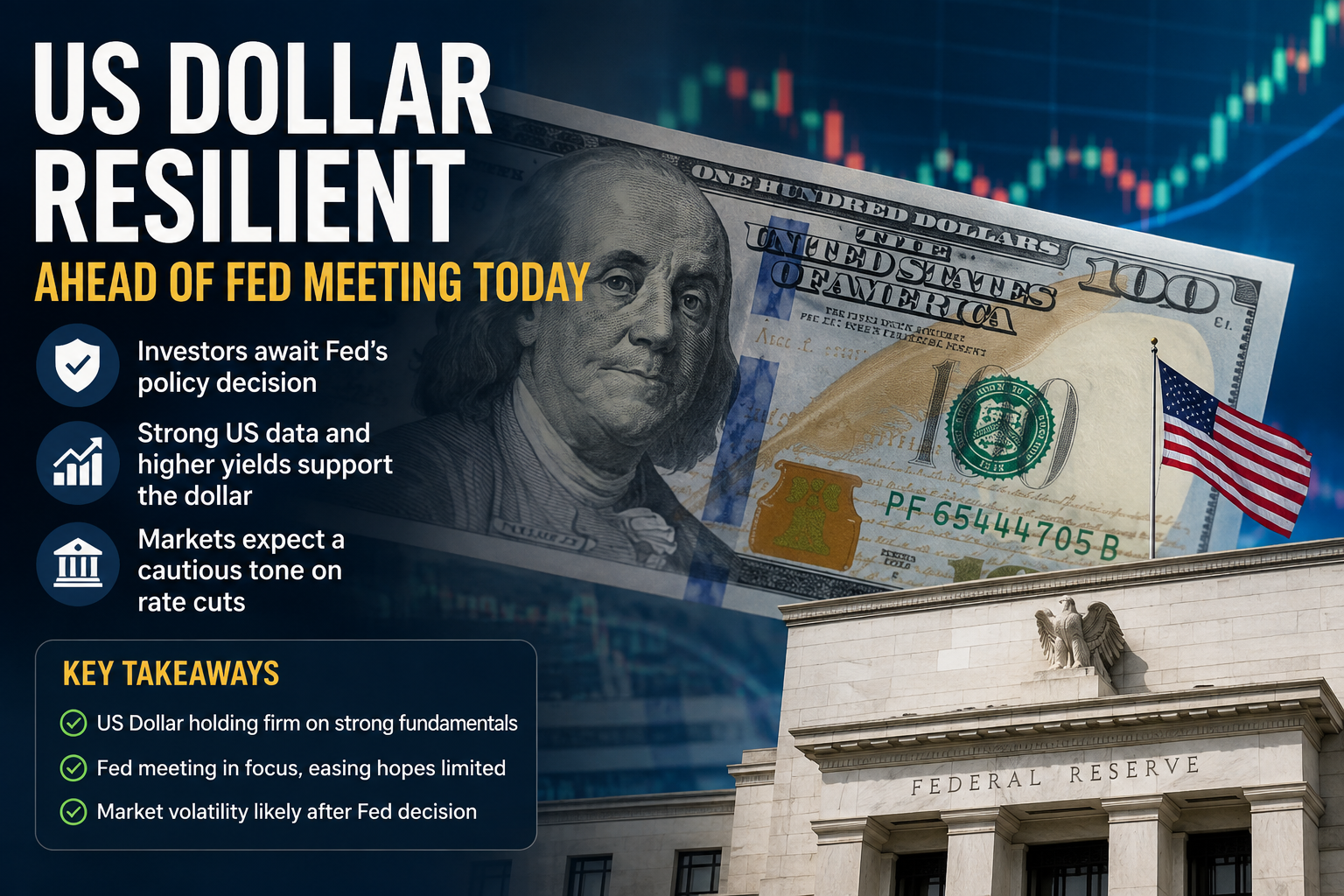
The US dollar stayed strong on July 28 because financial markets were careful before the Federal Reserve monetary policy meeting.
Even though events and lower oil prices first shaped market mood investors did not take big positions until the Fed gave its newest policy signals.
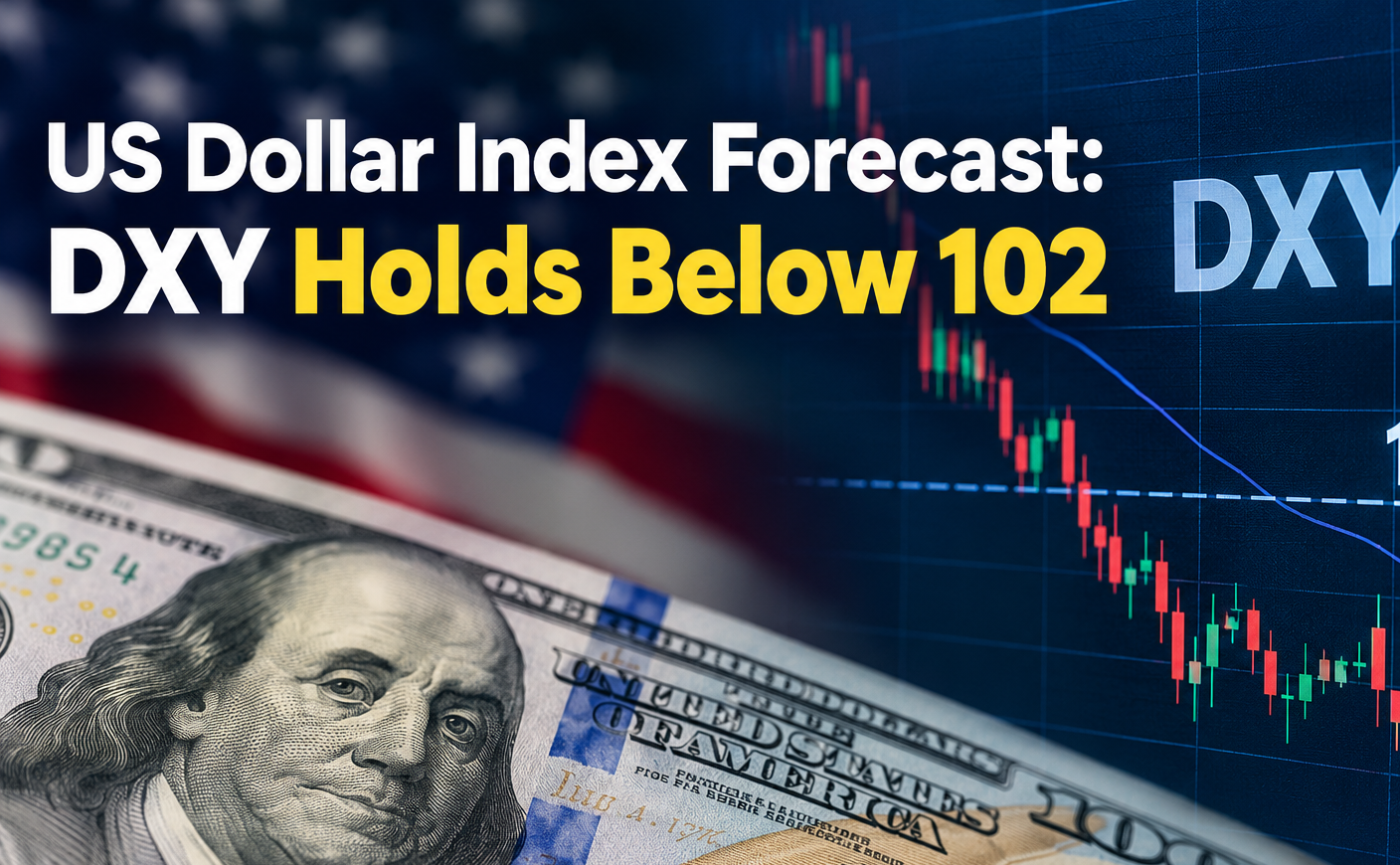
The US Dollar Index closed the session almost the same and stayed close to 101.50 in early European trading.
Market participants also watched events in the Middle East changes in technology stocks and upcoming US economic data.
The main focus however was the Federal Reserve and what its policy outlook could mean for the US Dollar and worldwide financial markets.
US Dollar Holds Firm as Markets Turn Cautious
The US Dollar first rose after news said that tensions involving the United States and Iran had eased.
The relief rally was short and the Dollar Index finished Monday with only small changes.
Investors stayed cautious because uncertainty about the situation had not vanished completely.
Conflicting comments from officials increased uncertainty keeping traders focused on headlines.
At the time the US Dollar stayed relatively strong against several major currencies during the previous seven days.
According to the market performance data in the report the Greenback was especially strong against the New Zealand Dollar.
Federal Reserve Meeting Becomes the Main Focus
The upcoming Federal Reserve meeting was the important event for forex traders.
Investors sought clues about the future direction of US interest rates.
The Feds decisions and comments can greatly affect the US Dollar because higher interest rates can make Dollar‑denominated assets more appealing to investors.
Traders were expected to watch the Federal Reserves statement, economic assessment and any signals about future monetary policy.
A hawkish message could support the US Dollar while signs of easier policy could pressure the currency.
The Federal Reserve uses interest rates as a tool to manage inflation and support employment.
Changes in policy expectations can quickly influence currencies, stocks, gold and bond markets.
Oil Prices Stabilize After Sharp Decline
Oil prices were also watched after West Texas Intermediate crude fell sharply by 9% during the previous session.
By Tuesday WTI traded quietly near $83.50 per barrel.
The fall in oil prices first bolstered risk sentiment. Later worries about the technology sector changed the mood in financial markets.
Oil price movements remain important for traders because energy prices can affect inflation expectations and central bank policy decisions.
A major rise in oil prices may add inflation pressure while a sharp fall can reduce those concerns.
Technology Stock Selloff Pressures Market Sentiment
US equity markets faced pressure as technology and semiconductor stocks fell.
According to the report chip‑related shares fell under selling pressure affecting market sentiment.
The weakness also spread to technology companies creating a more cautious environment for investors.
Nasdaq futures traded lower during the European session reflecting concerns about the technology sector.
When stock markets become volatile forex traders often move toward assets and currencies.
This can sometimes support the US Dollar especially when investors reduce exposure to higher‑risk assets.
EUR/USD and GBP/USD Move Sideways
The EUR/USD pair struggled to build upward momentum and stayed below the 1.1400 level.
The pair moved sideways as traders waited for economic and monetary policy signals.
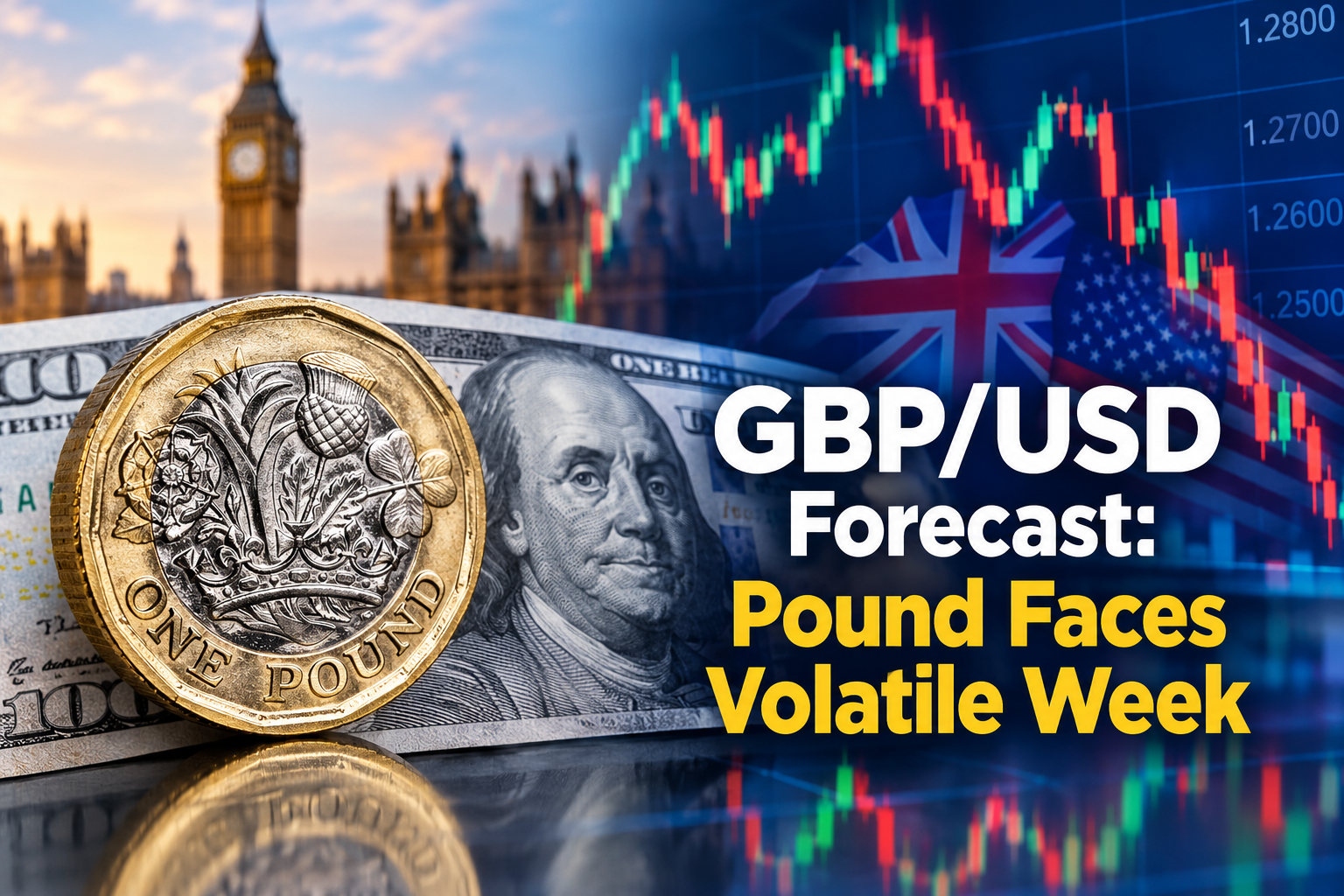
Meanwhile GBP/USD lost some of its bullish momentum and traded around the 1.3300 area.
Both currency pairs stayed sensitive to movements in the US Dollar.
Any strong reaction to the Federal Reserve meeting could raise volatility across the market.
USD/JPY Holds Near Recent Levels
USD/JPY stayed relatively stable near 163.70 after recovering from weakness.
The Japanese Yen kept reacting to policy developments and comments from Japanese officials.
At the time the direction of US Treasury yields and Federal Reserve expectations stayed important for the pair.
A stronger US Dollar and rising yields can support USD/JPY while falling yields or expectations of US monetary policy may create pressure.
Gold Gives Back Part of Its Gains
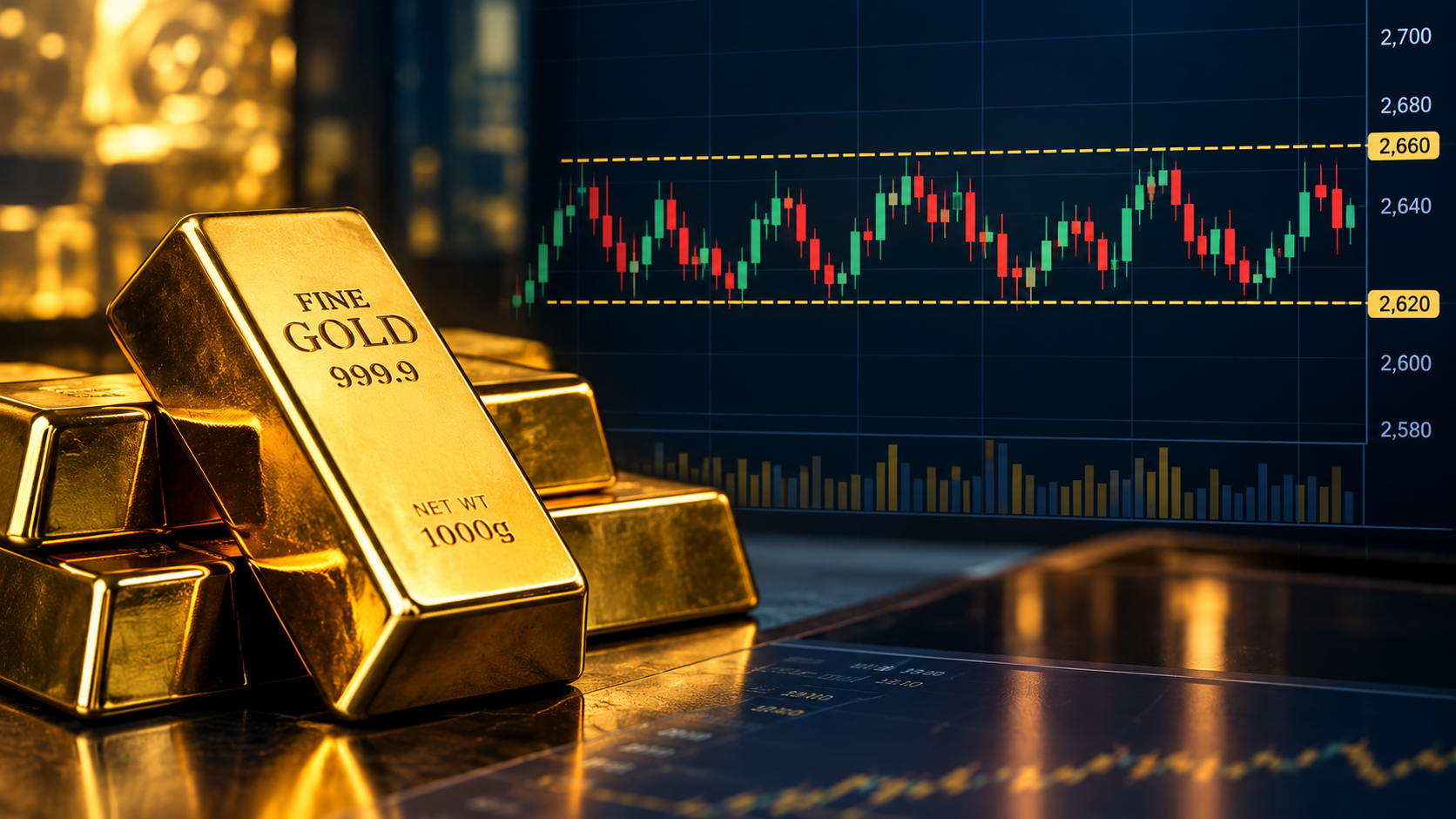
Gold first. Climbed above $4,100 before reversing later in the US session.
The precious metal then traded near $4,050 facing selling pressure.
Gold prices stayed closely tied to movements in the US Dollar Treasury yields and overall market sentiment.
Generally a stronger US dollar can make gold more expensive for buyers using currencies possibly limiting demand.
However geopolitical uncertainty and concerns about markets can keep demand for the safe‑haven asset high.
AUD/USD Remains Under Pressure
The Australian Dollar stayed under pressure with AUD/USD trading below 0.7000.
Comments from the Reserve Bank of Australia governor suggested the central bank stayed ready to raise interest rates if needed as underlying inflation remained high.
Despite these comments market caution and US Dollar resilience limited support for the Australian currency.
Key Takeaways for Forex Traders
The forex market stayed cautious ahead of the Federal Reserve meeting.
The US Dollar stayed strong while investors watched developments, oil prices, technology stocks and upcoming US economic data.
The biggest source of volatility was the Fed’s policy outlook.
Traders were likely to watch for any changes in expectations about future interest rates.
Federal Reserve policy signals
US Dollar Index movement
US Consumer Confidence data
Oil price volatility
Technology stock performance
Geopolitical developments
Movements in EUR/USD, GBP/USD and USD/JPY
Golds reaction to US Dollar strength and risk sentiment
Conclusion
The US Dollar entered the July 28 trading session on a relatively firm footing as investors prepared for an important Federal Reserve meeting.
While tensions, falling oil prices and a technology stock selloff created uncertainty traders stayed focused on what the Fed could signal about the future of US monetary policy.
The Feds message was expected to play a role in determining the next move, for the US Dollar, major currency pairs and other financial markets.
Until clearer signals emerged, cautious and potentially volatile trading conditions were likely to continue.