Last Updated on August 28, 2026 by Deon
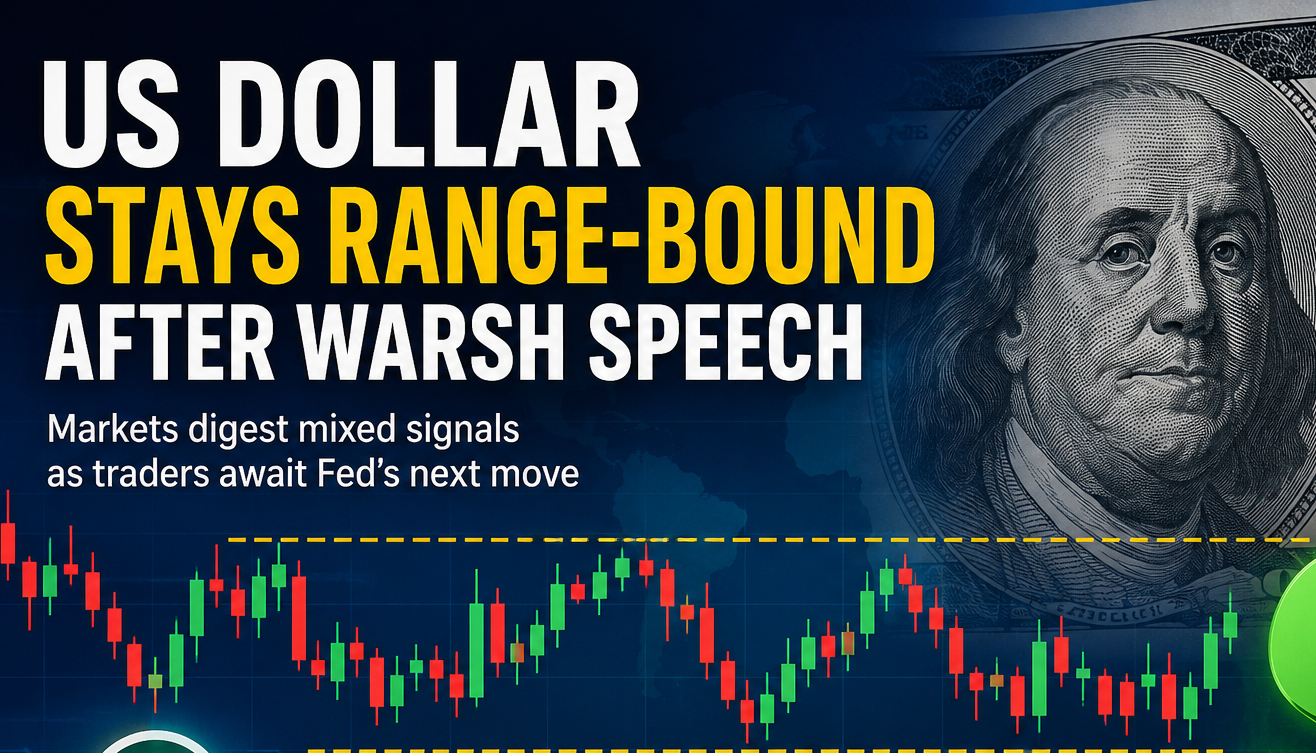
The US Dollar stayed within a trading range as financial markets reacted with caution to comments from Federal Reserve Chair Kevin Warsh. Investors were searching for clues about the future of US monetary policy, interest rates and inflation.. The speech did not lead to a major shift in any direction across the main currency pairs.
Instead the US Dollar continued to trade in levels against the Euro, British Pound and Japanese Yen. The market response showed that traders are still holding back. They are waiting for signals from economic data before making bigger moves.
US Dollar Stays in a Narrow Trading Range
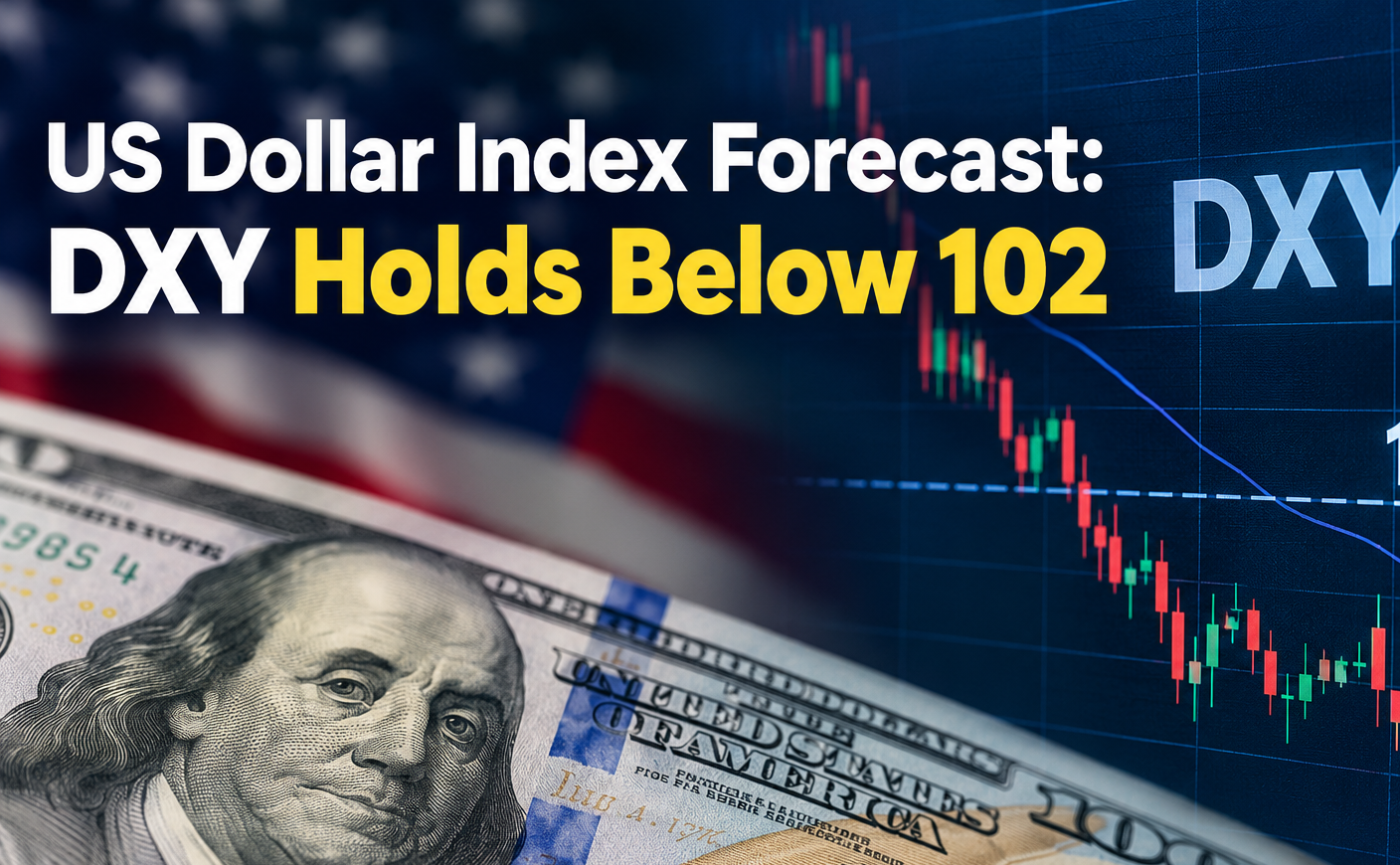
Currency markets often react strongly when the Federal Reserve gives guidance on interest rates.. Warsh’s latest remarks did not change the big picture much. The US Dollar Index held steady as traders weighed factors.
These included:
The outlook for Federal Reserve interest rates
Expectations about US inflation
Movements in Treasury bond yields
economic reports
Future decisions by the Federal Reserve
Because there was no big surprise in Warsh’s speech traders didn’t feel confident enough to push the US Dollar sharply up or down.
This controlled movement suggests the market may be entering a pause. Investors are now focused on economic reports and more statements from Fed officials.
Fed Policy Expectations Remain the Main Focus
The Federal Reserve continues to have an influence over the US Dollar. Higher interest rates can make dollar assets more appealing. Lower rates can reduce demand for the US Dollar.
That is why investors pay attention to every word from Fed speakers. They look for hints about the path of policy.
Warsh’s comments kept expectations unchanged. There was no sign that the central bank was moving toward a more aggressive stance or a man approach. That left the foreign exchange market in a mood.
This explains why major currency pairs stayed inside ranges without strong momentum in either direction.
Treasury Yields Also Influence Dollar Movement
US Treasury yields remain a driver in the currency market. When yields go up the US Dollar usually gets support. That’s because higher yields attract investors looking for returns from US investments.
When yields fall pressure can build on the Greenback. The connection between yields and the US Dollar keeps being important as markets assess interest rate trends.
A stable or mixed pattern in Treasury yields can also help keep the currency market in a range-bound state. Without a move in yields the US Dollar might struggle to find a clear trend.
Major Currency Pairs Remain in Focus
The nature of the US Dollar has kept many major forex pairs stuck in established price ranges.
EUR/USD
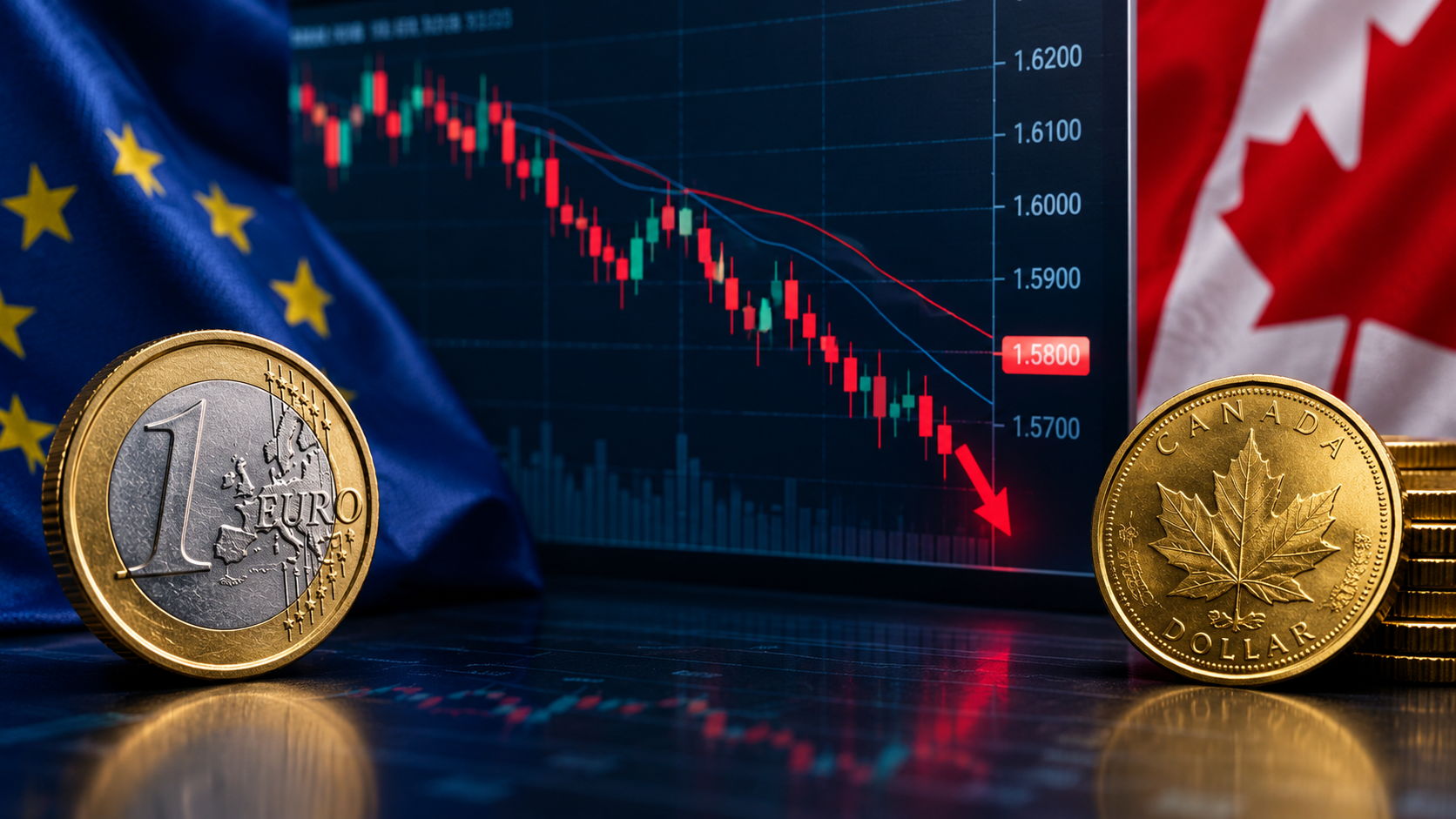
Traders watching EUR/USD are paying attention to both Federal Reserve policy. What happens in the Eurozone economy. A lack of news from the Fed limits major moves in this pair.
If US economic data comes in stronger than expected the US Dollar could gain strength. On the hand weaker data or rising hopes for easier monetary policy could boost the Euro against the US Dollar.
GBP/USD
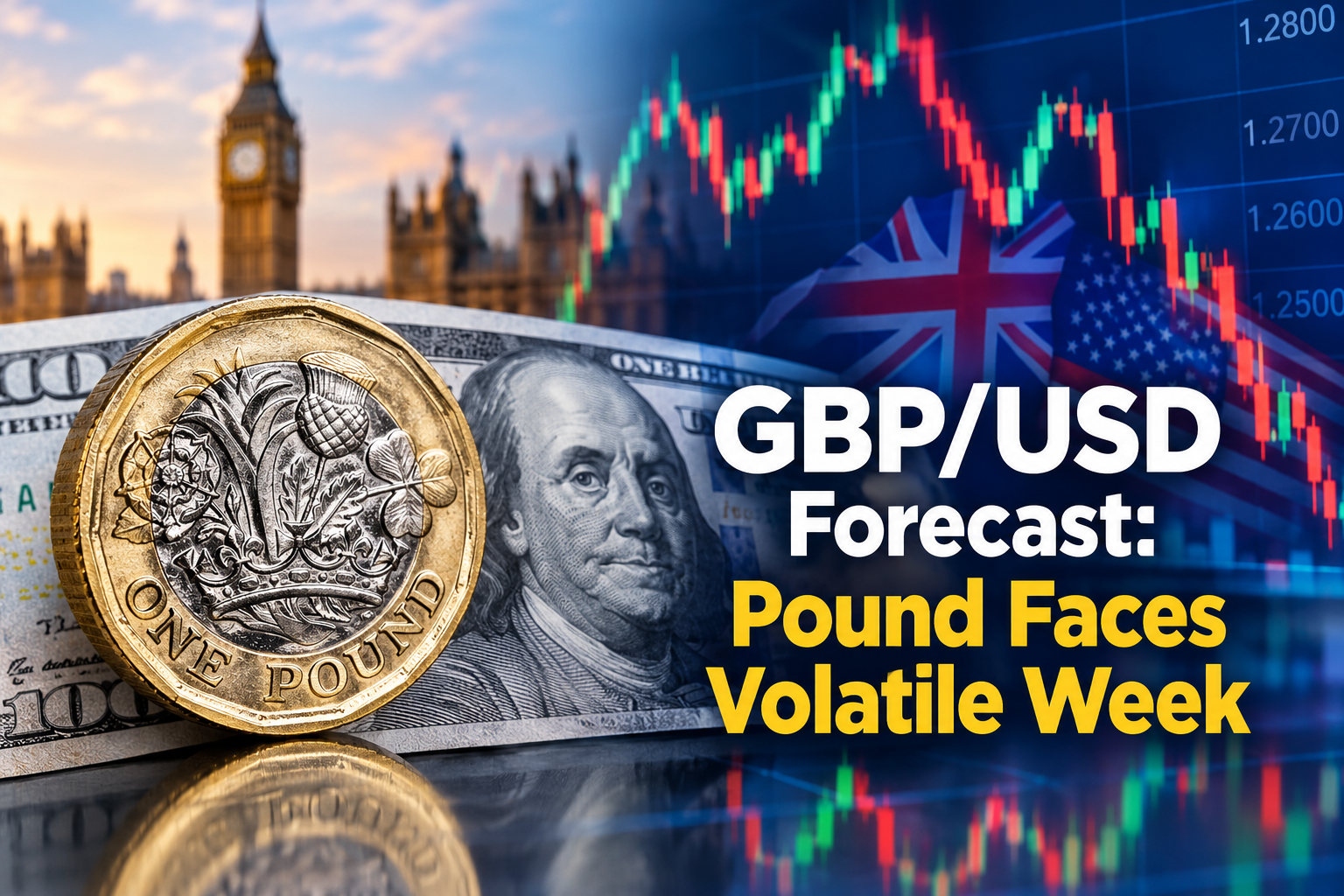
The British Pound is reacting to shifting views on interest rates. GBP/USD could stay sensitive to messages from both the Federal Reserve and the Bank of England.
A noticeable change in expectations around US policy might be the next big push for the pair.
USD/JPY
USD/JPY remains especially responsive to shifts in US Treasury yields. Changes in the yield gap between the United States and Japan can affect how the pair moves.
If US yields stay flat USD/JPY might keep trading.. A significant rise or drop in yields could spark more volatility.
Why Are Currency Ranges Remaining Contained?
Trading inside a range usually happens when buyers and sellers don’t see a reason to take control. Now traders are getting conflicting signs from inflation, growth and central bank expectations.
Uncertainty makes them reluctant to commit to positions. They prefer to wait for signals before acting.
Warsh’s speech did not offer the policy shift that the forex market needed to break out of its recent patterns.
So technical levels will likely stay important in the term. Traders are monitoring support and resistance zones. They are waiting for new fundamental catalysts to appear.
What Could Move the US Dollar Next?
Several upcoming events could shape the direction of the US Dollar.
Important factors include:
US inflation data: Higher or lower numbers could change views on future interest rates
Employment reports: Strength in the labor market affects Federal Reserve decisions
Federal Reserve comments: New statements from policymakers could shift sentiment
US Treasury yields: Sharp changes in yields may impact demand for the US Dollar
risk sentiment: Geopolitical or economic uncertainty can boost safe-haven demand
Stronger-than-expected economic data in the US could support the Greenback. Weaker data might increase bets on an accommodative Federal Reserve policy.
Technical Outlook for the US Dollar
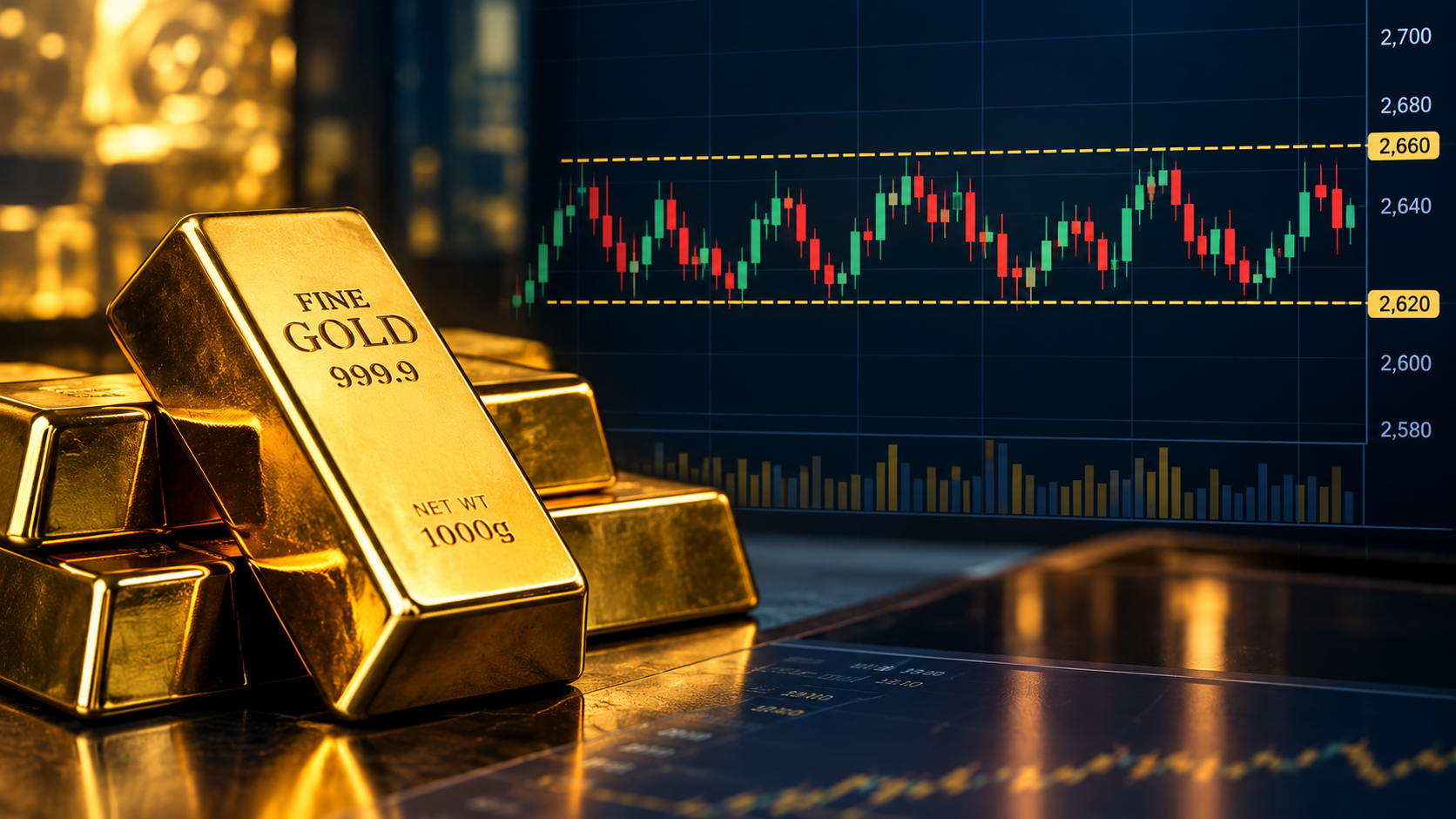
Looking at the charts range-bound conditions could persist until the market receives a trigger.
Traders might focus on highs and lows to spot possible breakout points. A move above resistance could signal renewed bullish strength. A break below support might increase selling pressure.
False breakouts happen often during quiet periods. That’s why many traders will wait for confirmation before jumping into trades.
The US Dollar stayed stable after Warsh’s speech. Major currency pairs continued to trade inside ranges. The lack of a surprise from the Federal Reserve kept investors cautious. It prevented any directional move.
Moving forward the next trend in the market may depend on US economic data, inflation figures, Treasury yields and further words from Federal Reserve officials.
Until a stronger catalyst appears the US Dollar could keep trading in a range. For traders this means keeping an eye on support and resistance levels. It also means staying alert for developments that could reshape expectations, about US policy.