Last Updated on September 2, 2026 by Deon
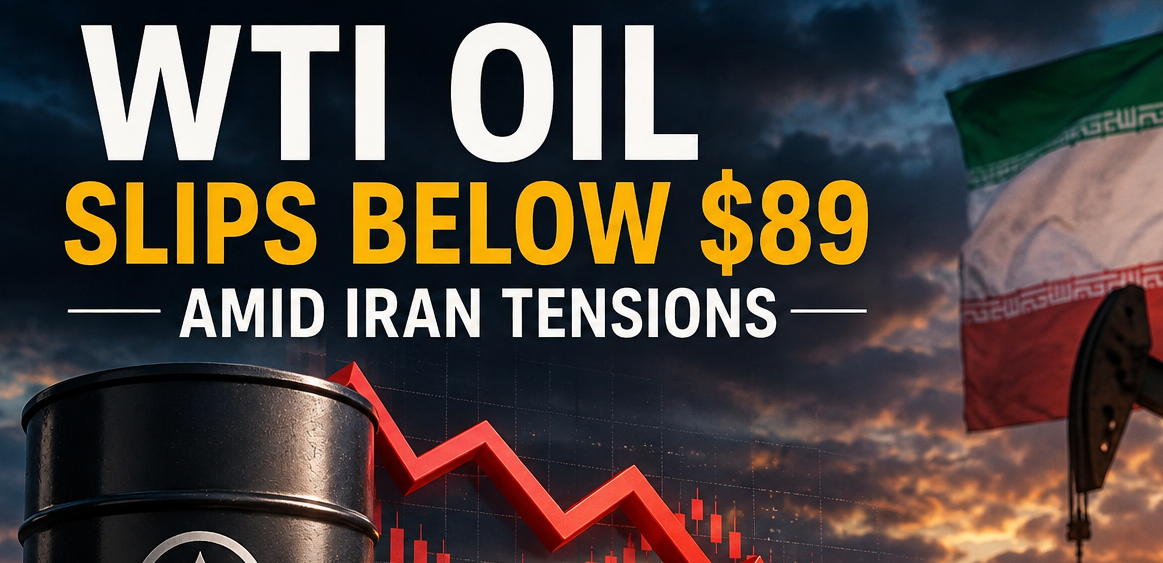
WTI crude oil prices dropped on Wednesday falling below the $89.00 level after two days of gains. West Texas Intermediate (WTI) oil was trading around $88.70 during the session. Traders were weighing price increases against rising geopolitical risks in the Middle East.
The drop came even as tensions between the United States and Iran escalated raising worries about disruptions to global energy supplies. The Strait of Hormuz remains a focus for the market because it is crucial for the movement of crude oil around the world.
Even though WTI oil has retreated below $89.00 the overall geopolitical situation still supports crude prices. Any new issues with shipping routes or damage to energy infrastructure could quickly bring buying interest into the market.
WTI Oil Pulls After Two Days of Gains
The latest drop in WTI followed a strong rally. Oil prices had gone up as traders responded to rising tensions between Washington and Tehran and the risks tied to the Strait of Hormuz.
Financial markets often see profit-taking after sharp price rises. That seems to be one reason why WTI crude fell below $89.00 with the ongoing geopolitical uncertainty.
At the time of this analysis WTI was trading near $88.70. This small pullback does not mean the bullish pressure has gone away. It just shows how uncertain the oil market currently is.
Traders are watching to see if WTI can stay above support levels or if more selling could push prices lower. At the time any new news from the US, Iran or the Strait of Hormuz could quickly change how the market feels.
US-Iran Escalation Raises Energy Supply Concerns
The conflict between the United States and Iran is still one of the influences on the current WTI oil price forecast.
According to reports US President Donald Trump announced new strikes on Iranian targets near the Strait of Hormuz. The move was said to be a response to alleged efforts to lay mines in the strategic waterway and an earlier attack on a US military base.
Trump also warned that a bigger military response could follow if Iran keeps fighting back.
Iran on the hand said it had struck US bases in the region and fired missiles toward Jordan. These events have raised fears that the conflict could grow and cause instability in the Middle East.
For oil traders the main worry is the chance of disruptions to energy transportation. The Middle East is still one of the important energy-producing regions in the world. Any serious disruption there could have an effect on global crude oil supply.
Why the Strait of Hormuz Matters for Oil Prices
The Strait of Hormuz is one of the important shipping routes in the world for crude oil and other energy products.
A large share of oil trade passes through this narrow passage. That means any military conflict, shipping blockades or threats to ships can quickly raise uncertainty in the energy market.
Recent reports have pointed to mine-laying and risks to shipping in the area. These dangers have added a premium to oil prices. That means traders may be willing to pay more for crude because of fears about supply problems.
Still US Treasury Secretary Scott Bessent said that 17 million barrels of crude oil passed through the Strait of Hormuz on Monday. That suggests oil flows are still moving despite the tensions.
The continued flow of crude may explain why WTI did not keep rising without pause. If the shipping route stays open immediate fears about a supply shock could ease.. The situation remains very unpredictable.
WTI Price Outlook Remains Sensitive to Headlines
The current WTI oil market is highly sensitive to news about geopolitics.
A new military escalation, an attack on energy facilities or confirmation that shipping through the Strait of Hormuz is disrupted could quickly send prices higher. On the side signs that oil shipments are continuing normally may encourage traders to take profits and cut some of the geopolitical premium.
This makes for an environment for WTI traders.
Beyond the US-Iran conflict the global energy market is also facing risks from Russia and Ukraine. Rabobank said that energy and agricultural sectors are already under pressure from strikes and supply problems.
The chance of attacks or airspace restrictions could create more challenges for global trade and commodity markets.
Because of this WTI oil prices are not being driven by one issue. Traders must keep track of geopolitical risks at the same time, which makes short-term predictions harder.
Key Factors Affecting the WTI Oil Price
Several important factors could shape the move in WTI crude:
Factor Potential Impact on WTI Oil
US-Iran conflict Could raise fears of supply disruptions
Strait of Hormuz flows Continued shipping may reduce supply worries
Military escalation May increase oil market volatility
Russia-Ukraine developments Could add more pressure to energy supplies
Global economic growth Stronger growth may support oil demand
US Dollar movement A stronger Dollar can put pressure on commodity prices
Oil inventories Falling inventories may support prices
These factors show why the oil market is hard to predict. Supply concerns can push prices up while steady oil flows and weak demand expectations can limit gains.
What Could Happen Next for WTI Oil?
The immediate focus is on whether WTI can rise above the $89.00 level.
A steady move above this level could suggest that buyers are still active and that geopolitical fears are keeping support in the market. Further escalation near the Strait of Hormuz could strengthen the outlook.
If the market starts to believe that oil shipments can continue without serious problems, WTI could stay under pressure or enter a phase of consolidation.
Traders should also watch US inventory data, economic reports and changes in the value of the US Dollar. Since crude oil is priced in US Dollars movements in the currency can affect demand and commodity prices.
A stronger Dollar can make oil more expensive for buyers using currencies. A weaker Dollar may offer support to prices.
WTI Oil Forecast: Volatility Likely to Continue
The WTI oil price outlook remains tied to developments. The recent drop below $89.00 shows that prices can still correct when big geopolitical risks are present.
Now the market is balancing two opposing forces. On one side rising tensions between the US and Iran and potential threats to the Strait of Hormuz are supporting prices. On the side evidence that oil is still moving through the key shipping route is easing immediate fears of a supply shock.
The coming days could bring swings in price. Any confirmed disruption to energy supplies could push WTI higher. Signs of oil flows may limit further gains.
Overall the $89.00 level remains an area for traders to watch. With tensions high WTI crude is likely to stay very sensitive to headlines and events, in the Middle East.