Last Updated on October 10, 2026 by Deon
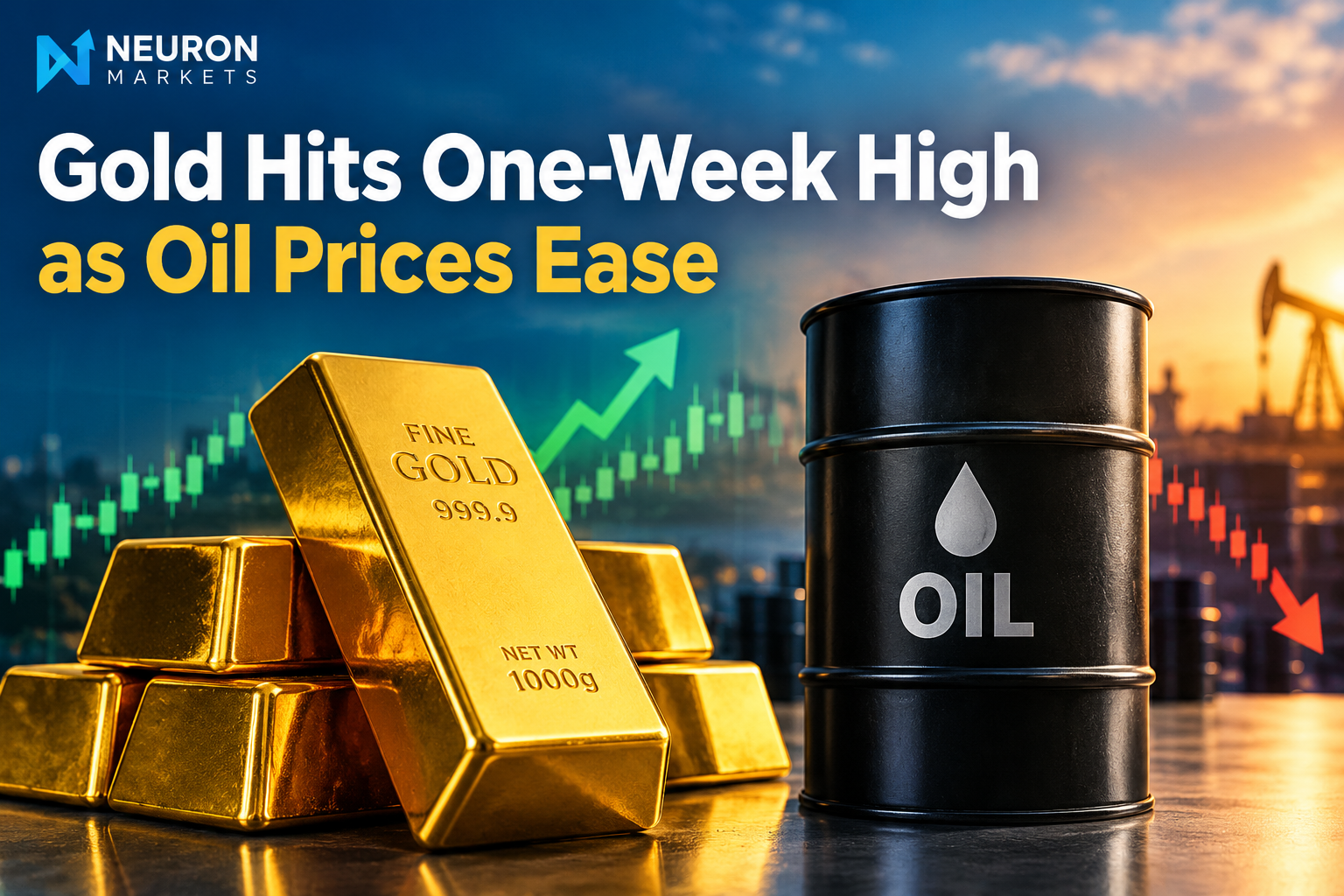
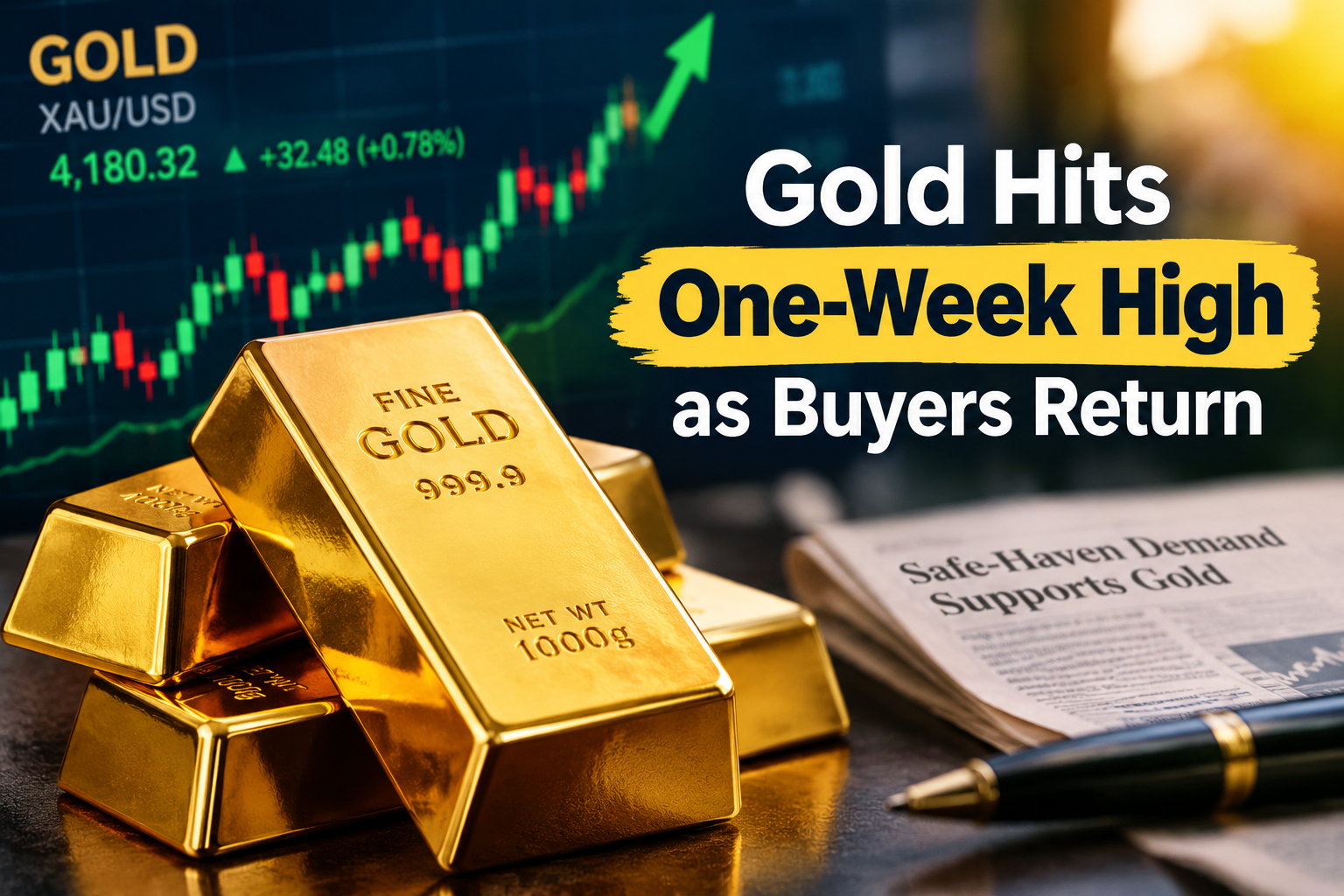
Gold prices moved up to a one-week high as bargain hunters came back into the market after declines. This recovery shows that some investors are using prices to rebuild their gold positions. However how long this rebound lasts will depend on changes in the US dollar Treasury yields and what the Federal Reserve might do with interest rates.
The latest price movement reflects a shift in the mood of the gold market. While some traders have been reducing their exposure due to pressure lower prices have also attracted buyers looking for opportunities. The balance between profit-taking and fresh demand could decide whether gold keeps rising in the coming days.
Bargain Hunting Supports Gold Prices
A key reason for gold’s rise is renewed buying after the market pulled back. When prices fall investors who still believe in the long-term value of gold may see the drop as a chance to buy at levels. This kind of buying is often called bargain hunting.
Bargain hunting can help support prices in the term especially when gold reaches important technical support zones or starts to recover after a period of selling. Traders who were waiting for prices may now start opening new positions helping the market move higher again.
A bounce based only on bargain hunting does not mean a strong lasting upward trend. For gold to keep rising buyers need to stay active and interested. The market may also need help from data or changes in expectations about monetary policy.
If buying continues gold could push toward resistance levels.. If demand fades prices may not hold onto their recent gains.
US Dollar and Treasury Yields Remain Important
The US dollar still has an impact on gold prices. Gold is priced in US dollars around the world. So when the dollar strengthens gold becomes more expensive for investors using currencies. That can reduce demand. Put pressure on prices.
On the hand a weaker dollar can help gold by making it cheaper for international buyers. That’s why traders pay attention to the US Dollar Index and how major currency pairs are moving when they look at XAU/USD.
US Treasury yields are another factor. Gold does not pay interest. When yields rise assets that do pay interest become more attractive compared to gold. This can make investors less likely to hold gold especially if they think interest-rate cuts are no longer on the table.
Lower yields can have the effect. They reduce the cost of holding gold making it more appealing.
That’s why the current recovery in gold should be judged along with what’s happening in the bond market. If yields stay high they could cap any gains even if bargain hunters are active.
Federal Reserve Policy in Focus
The Federal Reserve’s plans for policy are still a major influence on gold. Investors watch reports inflation numbers, job data and speeches from Fed officials to guess where interest rates are headed.
Expectations for interest rates can help gold. When returns on bonds or savings accounts drop gold becomes more attractive.. If inflation stays high or the economy stays strong the Fed may keep interest rates higher for longer.
This uncertainty affects gold traders. If economic data strengthens the case for rate cuts gold prices might keep rising.. If the Fed stays hawkish that could support the dollar and Treasury yields, which in turn could slow gold’s recovery.
Upcoming US data and Fed commentary could cause more volatility. Traders should not rely on one news story. They should look at how new information changes the picture of policy.
Technical Outlook: Resistance and Support Matter
Gold’s move to a one-week high has improved its short-term look.. Traders should not assume the market is now in a clear upward trend without confirmation.
Resistance levels are important because they often bring selling pressure or profit-taking from traders who bought during the recovery. If gold breaks above resistance and holds that could be a sign of buying strength.
Support levels are just as important. If gold pulls back but stays above a low it suggests buyers are still defending the recovery.. If the price breaks below support it may mean sellers are taking control again.
Traders can use tools to analyze the situation:
Previous highs and lows: These show where the market has seen buying or selling before.
Moving averages: These help determine if the short-term trend is improving or getting weaker.
Relative Strength Index (RSI): This shows momentum but overbought or oversold readings should not be treated as buy or sell signals.
Trading volume: When volume data is reliable it can confirm the strength of a breakout.
Of jumping in right after a sharp price rise traders might wait for a confirmed breakout or a pullback that holds above support.
What Could Happen Next?
Gold’s direction in the coming days will likely depend on whether fresh buying can overcome the pressures from the US dollar and Treasury yields.
In a situation continued bargain hunting and a weaker dollar could help gold keep rising. A clear break above resistance would add confidence that buyers are in control.
In a situation higher yields, a stronger dollar or talk about higher-for-longer interest rates could weaken demand. Gold might then fall back toward support levels as short-term traders take profits.
A consolidation phase is also possible. After a rise the market might move sideways as investors wait for clearer signals from economic data and central bank policy.
These are scenarios, not guarantees. Traders should always check the market data before making decisions.
Gold reaching a one-week high shows that bargain hunters are returning after the dip. The recovery has lifted short-term sentiment. It doesn’t mean a long-term bullish trend has started.
Investors should keep watching the US dollar Treasury yields, Federal Reserve expectations and key technical levels. Sustained buying could lead to gains.. Renewed pressure, from yields or the dollar could limit the recovery.
For traders managing risk is essential. Waiting for confirmation setting stop-loss levels and avoiding positions can help deal with a market that reacts quickly to economic news and interest-rate expectations.