Last Updated on October 16, 2026 by Deon
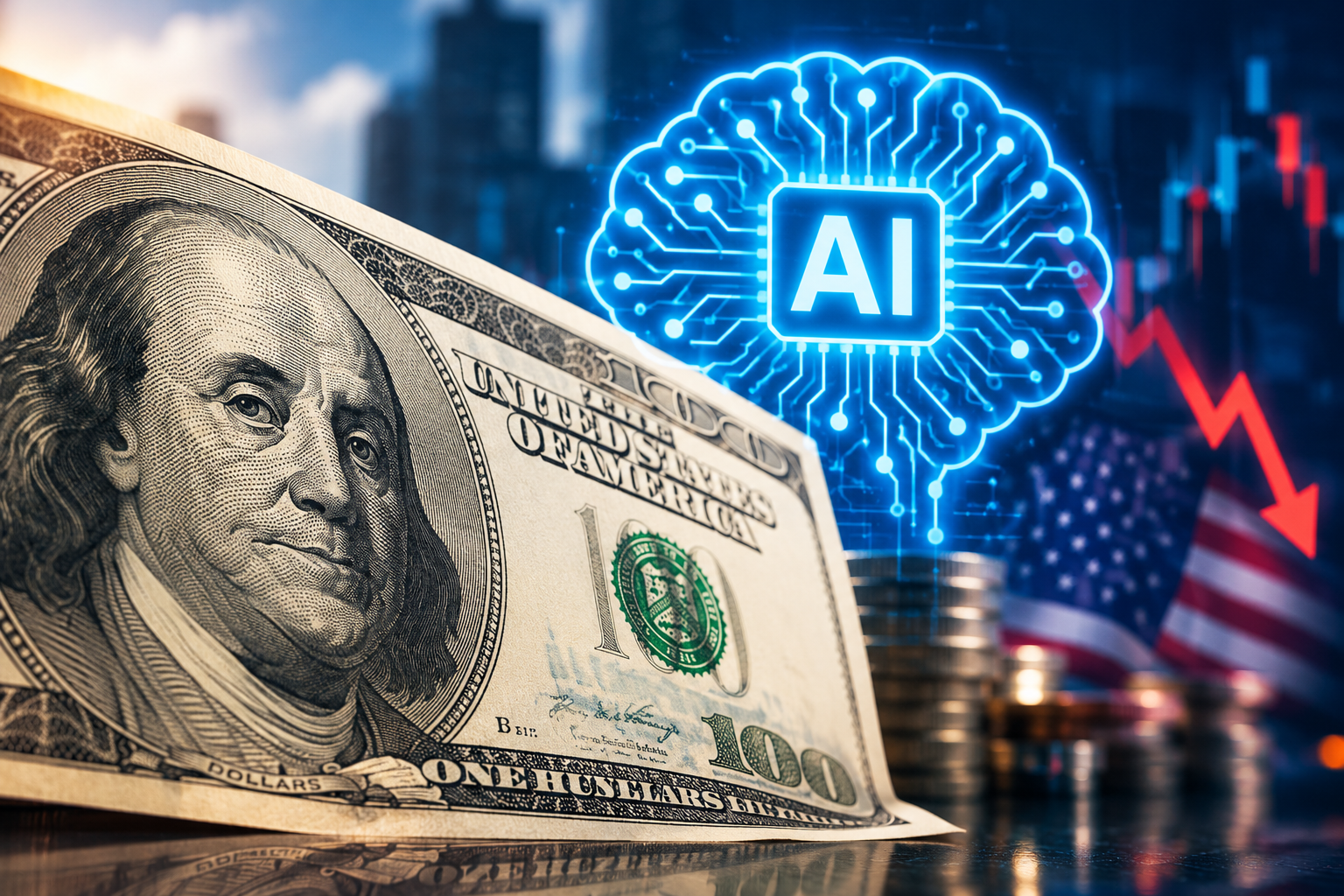
The US Dollar has grown stronger because the American economy is doing well asset prices are higher. There is big investment in artificial intelligence.. Analysts at OCBC say that this AI driven investment cycle could become a weakness for the Greenback if the momentum slows down.
OCBC strategists Sim Moh Siong and Christopher Wong say that artificial intelligence is now a pillar that supports US growth, stocks, Treasury yields and the US Dollar. If investment in that sector slows a lot these supports could reverse.
This brings a risk for currency traders. A market shock that starts in the US could lower Treasury yields. Make the US Dollar weaker rather than people rushing to the US currency.
AI Has Become Important for US Growth
The rapid expansion of intelligence investment has played an important role in expectations for US economic growth.
Large technology companies and other businesses have committed resources to AI infrastructure, data centers, computing capacity and related technologies. This investment has helped strengthen expectations for productivity and economic activity.
Strong growth expectations can support markets in several ways. Higher expected corporate profits can lift stocks and better economic prospects can keep bond yields high. Together this can make US assets more attractive to investors and raise demand for the US Dollar. However this relationship can work in reverse. If companies begin reducing AI‑related spending or investors question the returns from AI investments some of the current support for US assets could fade.
Why the Dollar May Not Benefit From Risk Aversion
The market reaction when people are risk averse is simple: investors sell risky assets and look for safe havens, including the US Dollar.
OCBC argues that the situation can be different when the source of the stress originates inside the United States.
If concerns about AI financing cause US equities to fall and Treasury yields to decline investors may still view US government bonds as a haven.. Weaker returns from US assets could reduce the relative attractiveness of the US Dollar.
This means the currency market could experience a combination of risk‑off sentiment, lower Treasury yields and a softer US Dollar.
That distinction is important for traders because it challenges the assumption that every global market sell‑off automatically leads to USD demand.
Lower Treasury Yields Could Pressure USD
Treasury yields still drive how the US Dollar performs.
When US yields rise relative to those of major economies investors may have greater incentive to hold Dollar‑denominated assets. Conversely falling yields can reduce that advantage.
An AI‑related slowdown could potentially affect both growth expectations and demand for US assets. If investors move toward government bonds during a US‑centric risk event Treasury prices could. Yields could fall.
At the time weaker expectations for US growth could reduce the appeal of the US Dollar.
This creates a challenging environment for USD if the AI investment cycle loses momentum.
Current AI Concerns May Be
OCBC does not suggest that the AI investment story has already ended. The strategists describe the concerns as more likely to be a bump in the broader investment cycle. They also suggest that some of the fears may be exaggerated.
Nevertheless the episode highlights a change in the foreign exchange market. As the US Dollar becomes increasingly supported by growth optimism it can also become more sensitive to any deterioration in that outlook. The stronger the connection between AI investment and US economic resilience becomes, the the potential impact if investors begin to question the sustainability of that investment.
US Dollar Technical and Market Outlook
For traders the broader Dollar outlook will depend on whether current AI concerns develop into a market theme.
A temporary pullback in technology stocks or AI‑related investment expectations may have a limited effect on the currency. In that scenario the Dollar could regain support if US economic data remains strong and Treasury yields stabilize.
However a sustained decline in US equities accompanied by falling Treasury yields could create a more challenging environment for USD.
Traders should therefore monitor the relationship between US stocks, Treasury yields and the Dollar than analyzing the currency in isolation.
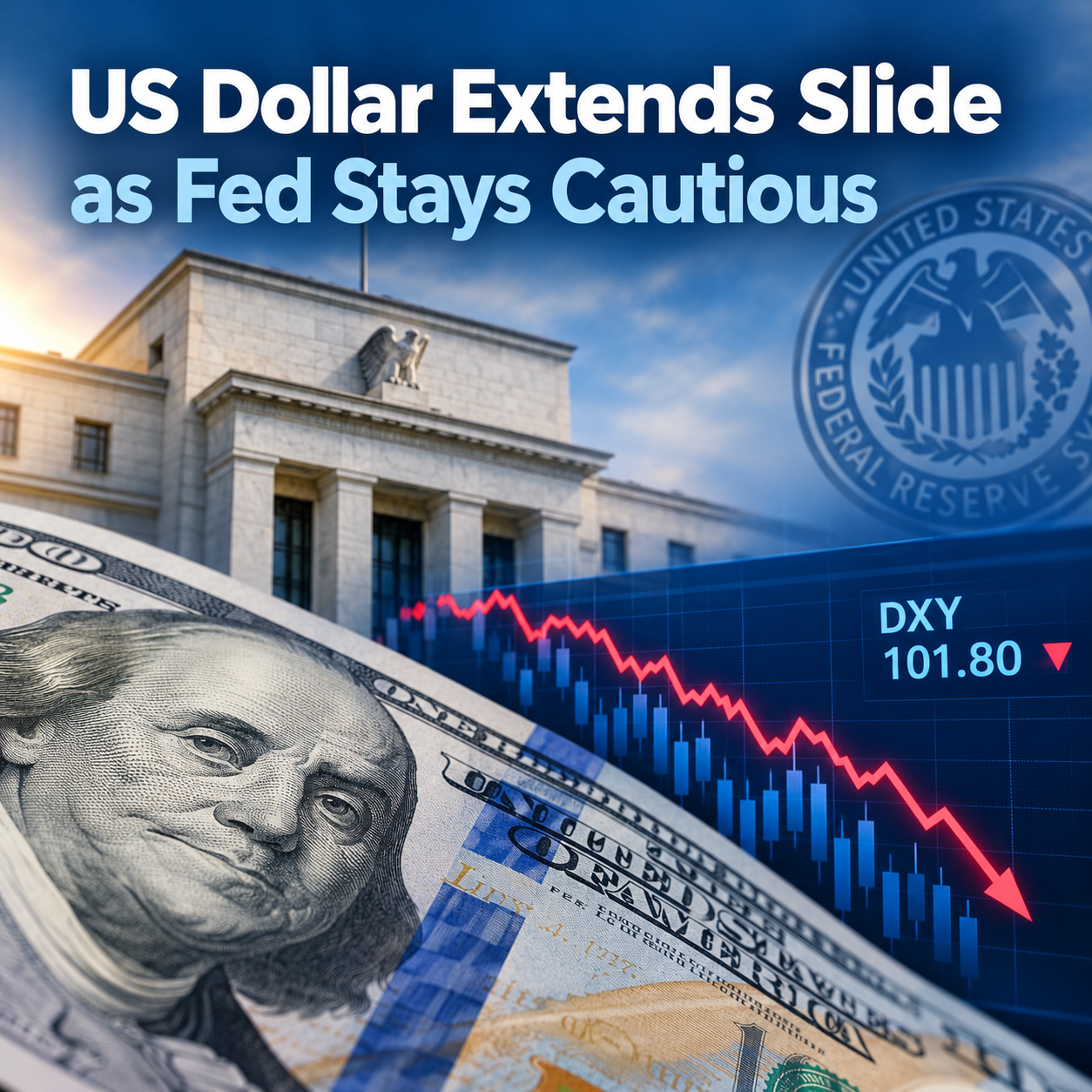
The US Dollar Index could remain vulnerable if yields continue falling and investors reduce exposure to US risk assets.
Conversely stabilization in bond yields and renewed confidence, in US growth could help the Greenback recover.
What Traders Should Watch
Several things can decide if the AI‑related Dollar risk grows more important:
AI investment trends: If spending slows US growth expectations may weaken.
Technology stocks: A long sell‑off in equity could change how people feel about US assets.
Treasury yields: Falling yields can lower support for the US Dollar.
US data: Strong growth can balance worries about AI investment.
Federal Reserve policy: Expectations for interest rates stay a driver for USD.
Global risk sentiment: Where a market shock comes from will decide if USD is a haven.
US Dollar Forecast
The near‑term view of the US Dollar stays sensitive to changes in US growth expectations and market sentiment. AI investment has strengthened the idea that the US economy’s strong but this strength could turn into a weakness if the investment cycle slows.
For now OCBC sees the AI‑related concerns as a short‑term bump, not a main break in the larger investment story.
Still traders must watch how equities, Treasury yields and USD interact. A US‑focused risk‑off event could lower yields. Soften the US Dollar at the same time making the market feel different from a normal global risk‑off move.
Conclusion
The US Dollar is more exposed to the power of the AI investment cycle. AI spending has backed expectations for US growth, equities, Treasury yields and US Dollar strength.
However if worries about AI financing or returns grow the same supports could flip. Lower Treasury yields and weaker US assets could then weigh on the Greenback.
The current worries may be only temporary. They give a key warning, for currency traders: the US Dollar does not always grow when risk rises especially when the shock comes from the US.