Last Updated on October 7, 2026 by Deon
The US Dollar is still supported by the strength of the economy. It benefits from activity in technology and artificial intelligence investment. These sectors help drive growth and improve productivity giving the currency a foundation.
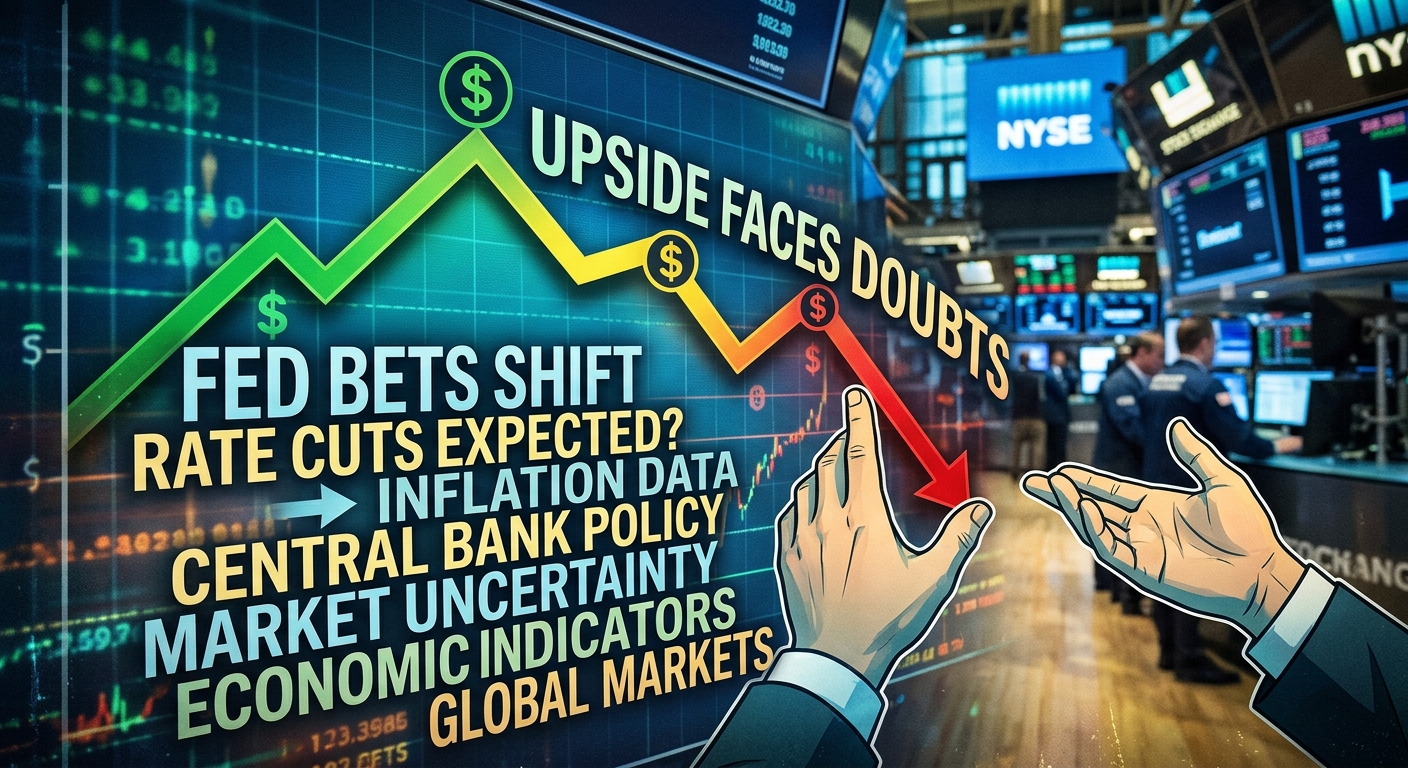
Still OCBC strategists are starting to feel more cautious about how further the US Dollar can go in the near term. Their concern comes as labor-market signals have softened. At the time the Federal Reserve has adopted a more patient tone. This creates uncertainty around whether interest rates will rise soon.
Dollar Rally May Slow
The US Dollar has been doing well recently. That’s thanks to continued strength in activity and heavy investment in tech and AI. These areas keep businesses growing. Help the country maintain momentum. They also support the value of the US Dollar.
Ocbc now sees limits on how far the Dollar can climb. After its gains the market might need stronger evidence from economic data before it pushes the currency even higher. For traders this means that just because the Dollar is strong overall does not mean it will keep rising quickly. The current strength may not lead to immediate gains.
Fed Rate Expectations in Focus
Federal Reserve policy continues to be one of the influences on the US Dollar. In weeks Fed officials have made clear they are taking a careful approach. They want to wait for data before deciding whether to raise rates again.
According to OCBC analysis markets still expect more than three rate hikes over the next 12 months.. The bank thinks those expectations could be too high. There are signs that the US labor market is beginning to slow down. If that trend continues investors may start to doubt the need for tightening.
If inflation data show that price pressures stay under control expectations for rate hikes could fall. That would remove a source of support for the US Dollar. Without that boost the Dollar’s upward momentum might weaken.
Higher Yields Already Tighten Conditions
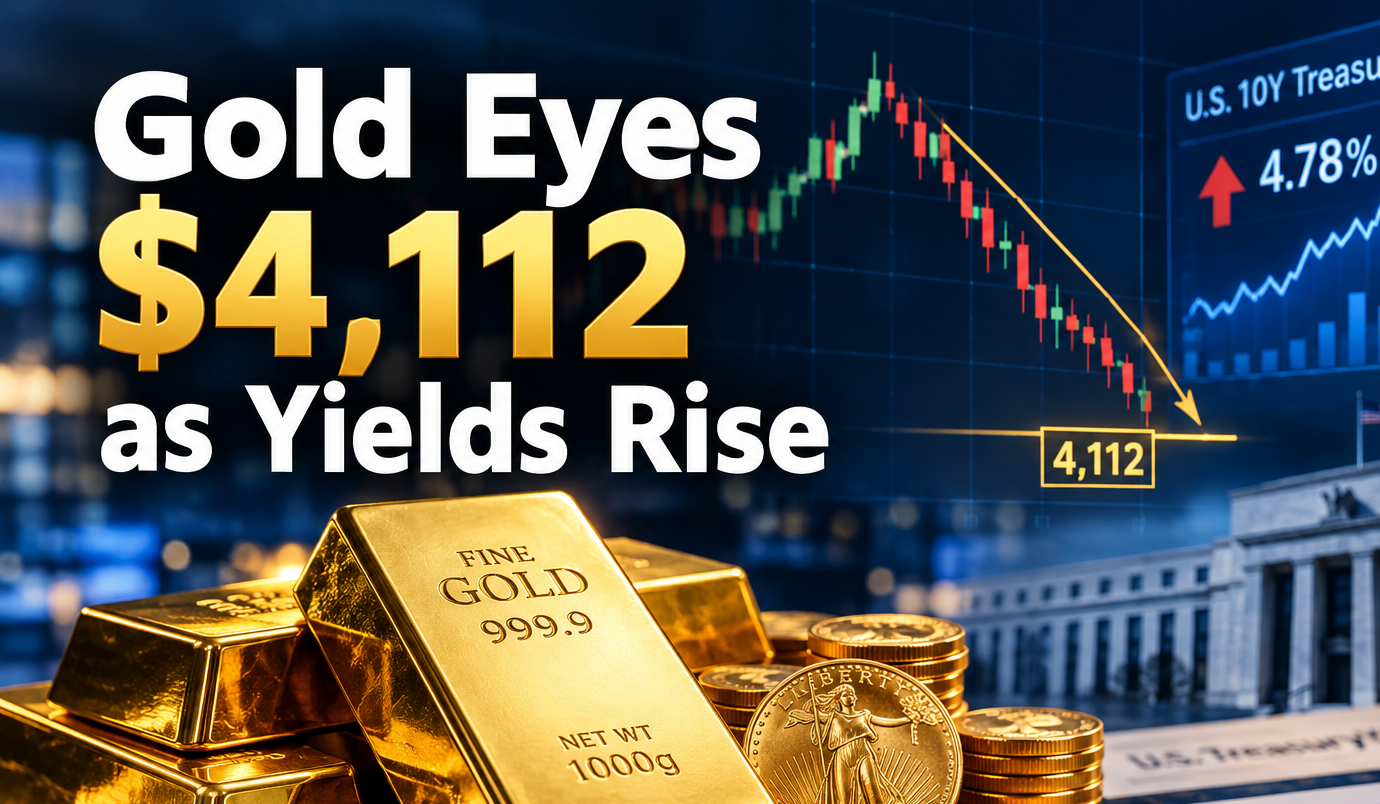
Another factor affecting the Dollar is the rise in long-term US Treasury yields. When yields go up financial conditions become tighter. That means money gets more expensive across the board. As a result monetary policy doesn’t always need to become stricter to slow the economy.
This development makes it harder to justify rate increases. If financial conditions are already doing part of the job the Fed may be less likely to act. Markets could become less confident in a series of rate hikes.
For the US Dollar this adds a risk. If Treasury yields stop climbing or begin to drop the Dollar could lose some of its appeal. That would reduce investor demand for the currency.
Labor Data Could Change the Outlook
The US labor market is now playing a role in shaping interest-rate expectations. Signs of cooling employment could prompt traders to reconsider if the Federal Reserve needs to keep raising rates
A combination of job numbers and stable inflation would be especially important. Such a scenario could push investors toward a neutral view of future Fed policy. That shift would likely reduce demand for the US Dollar.
On the hand if inflation picks up or the labor market shows renewed strength, confidence in higher rates could return. That would give support to the Dollar and possibly spark another rally.
US Dollar Outlook
Even though the US Dollar has structural support its near-term outlook is becoming uncertain. Growth from technology and AI remains positive.. Changes in expectations about the Federal Reserves path could limit further gains.
Traders will pay attention to upcoming data. Inflation figures, labor-market developments and Treasury yields will be the signals. Those numbers will help decide what happens next with the USD.
The US Dollar continues to benefit from economic fundamentals. Technology, innovation and productivity all support its value.. The near-term upside is being challenged. OCBC sees increasing risks from labor-market conditions, cautious Fed policy and already-tight financial conditions.
If inflation stays low markets might lower their expectations for Fed rate hikes. That could limit how much higher the Dollar goes. For now traders should watch US data and Treasury yields closely. These indicators will point to the move, in the USD.