Last Updated on September 16, 2026 by Deon
Gold prices moved higher on Wednesday as the US dollar weakened, oil prices. Treasury yields pulled back. The move came as traders waited for the Federal Reserves interest‑rate decision, which could set the tone for gold and broader financial markets.
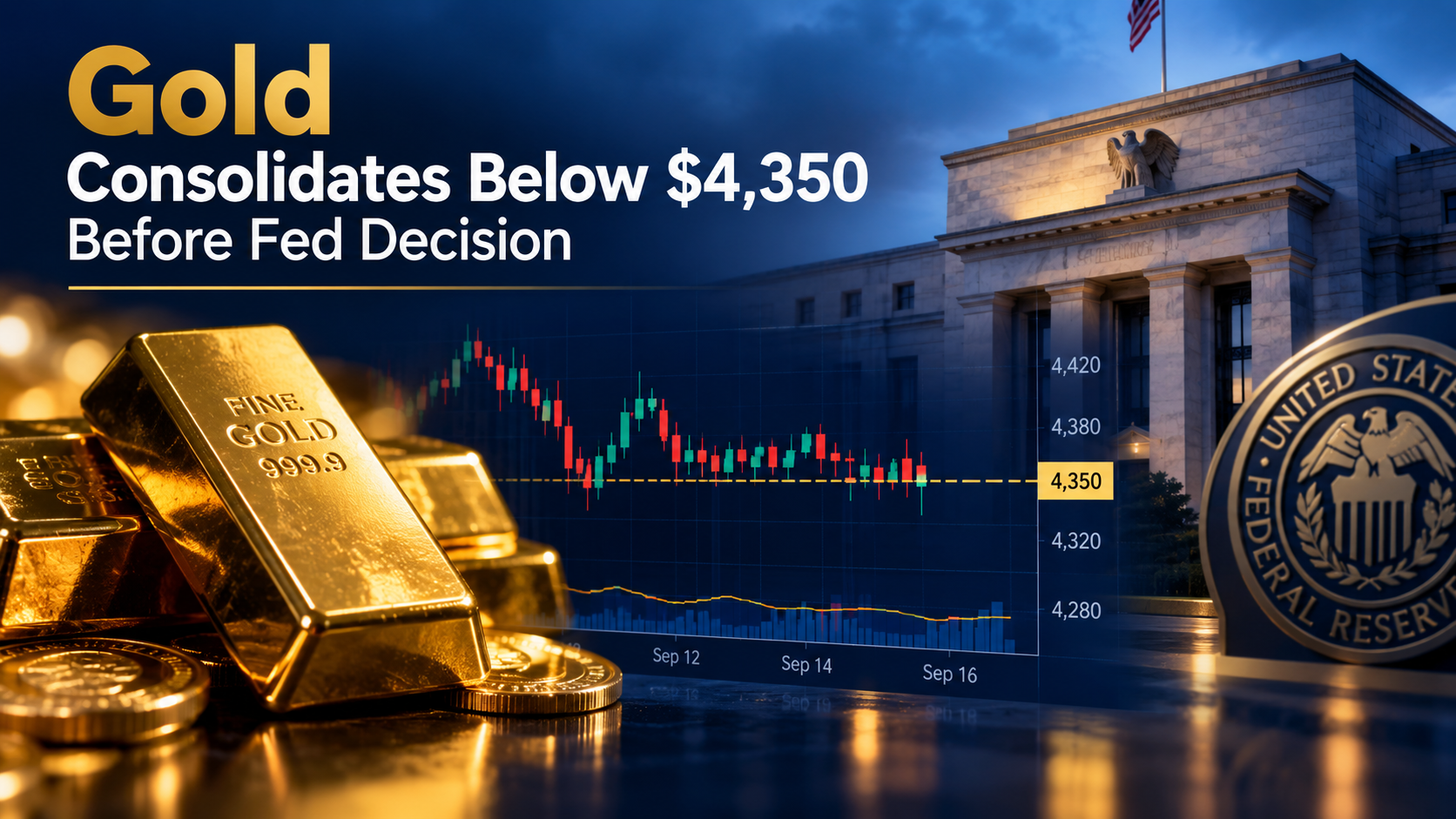
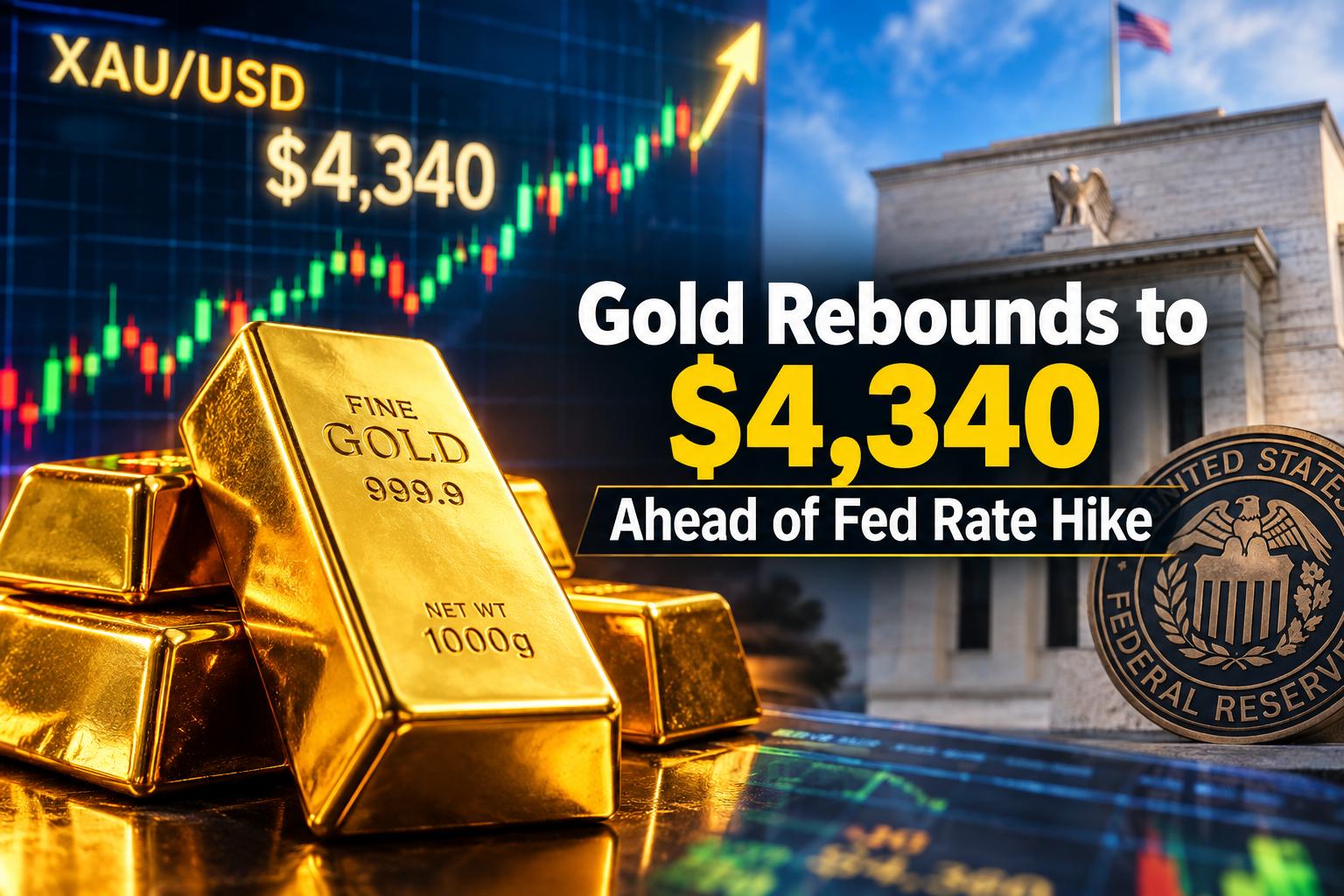
Spot gold rose 0.7% to around $4,324.36 per ounce during the session while US gold futures also advanced. The rebound followed a period of pressure on bullion with gold falling to its lowest level in more than a month.
The focus is now firmly on the Federal Reserve and its guidance for interest rates.
Dollar Weakness Supports Gold
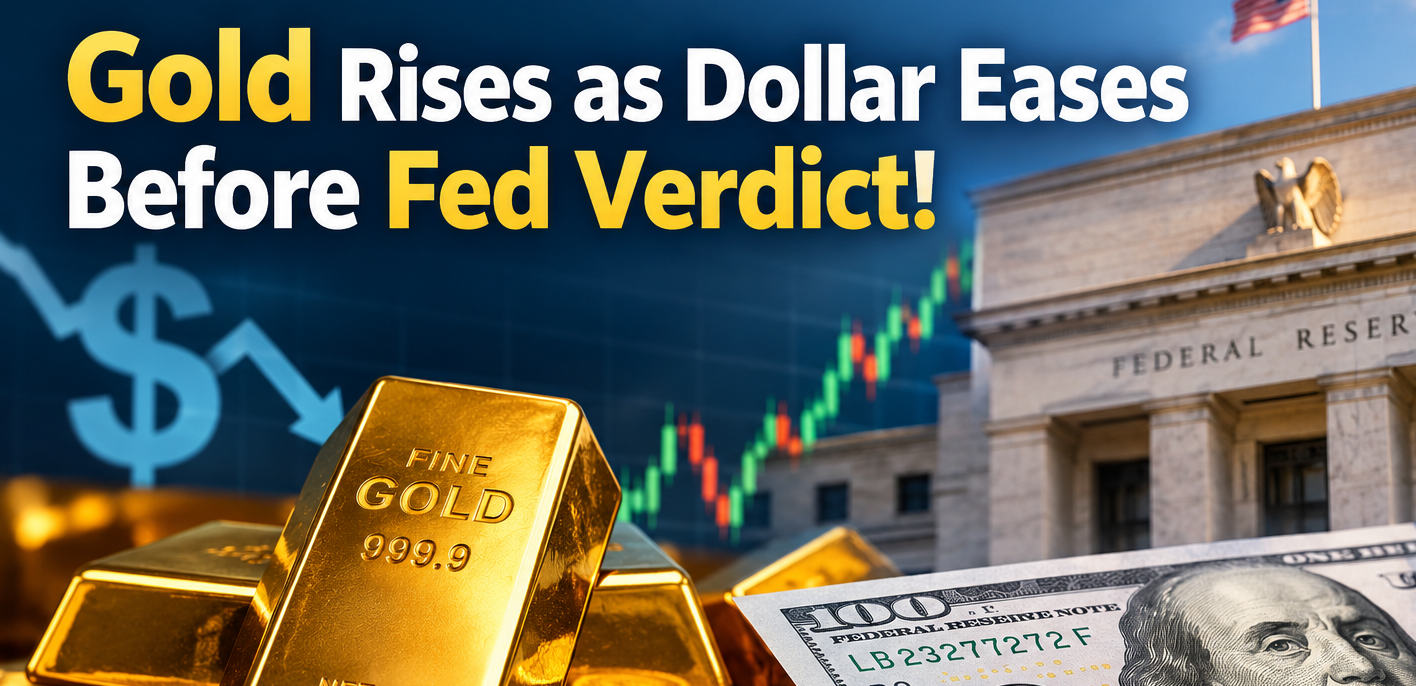
One of the factors behind Wednesdays gold recovery was the softer US dollar. Gold is priced internationally in US dollars meaning movements in the currency can influence demand from buyers using currencies. When the dollar weakens gold can become relatively cheaper for investors.
The dollar had gained during sessions as traders increased expectations for tighter US monetary policy. However some of those gains eased ahead of the Federal Reserve announcement.
This provided some relief for gold after the precious metal came under pressure from yields and a firmer dollar earlier in the week.
Lower Oil Prices Ease Inflation Pressure
Oil prices also played a role in the gold move.
Crude prices had rallied sharply in sessions increasing concerns about higher inflation. Rising energy costs can feed into transportation, manufacturing and consumer prices potentially making it harder for central banks to ease policy.
On Wednesday oil prices pulled back after their gains. That helped reduce some inflation concerns and contributed to a more supportive environment for gold.
The relationship remains important because persistent energy inflation could encourage the Federal Reserve to maintain or increase interest rates creating a headwind for non‑yielding gold.
Fed Decision Takes Center Stage
The Federal Reserves announcement is the most important event for gold traders. Markets have been heavily focused on the possibility of a 25‑basis‑point rate increase. Reuters reported that traders were pricing a 93% probability of at a quarter‑point hike ahead of the decision.
A higher interest rate can make yield‑generating assets such as government bonds attractive compared with gold, which does not pay interest.
However the actual rate decision is part of the story.
Investors will also examine the Federal Reserves statement and comments from Fed Chair Kevin Warsh. Any indication that policymakers could continue tightening policy may support the dollar and Treasury yields.
Conversely an aggressive outlook could reduce pressure on gold.
Treasury Yields Remain Important
US Treasury yields have been another influence on gold in recent sessions.
Higher yields can increase the opportunity cost of holding bullion. This was particularly visible earlier in the week when the benchmark 10‑year Treasury yield reached its level since 2007.
Wednesdays pullback in yields helped gold regain some ground.
For traders the relationship between gold, Treasury yields and the dollar will remain important after the Fed announcement. A renewed rise in yields could limit any recovery while declining yields could provide support.
Gold Technical Picture
From a perspective gold remains sensitive to the recent decline. The metal touched a than one‑month low earlier in the week before recovering on Wednesday. Reuters quoted market analysis suggesting that the near‑term technical bias remained to the downside despite the rebound.
This means Wednesdays move higher does not necessarily confirm a broader trend reversal.Traders may watch whether gold can maintain levels above the $4,300 area and build momentum. A sustained recovery could improve short‑term sentiment while renewed selling pressure could bring lows back into focus.
The Feds communication will likely be important for determining which scenario develops.
Inflation and Gold Outlook
Gold traditionally benefits from inflation concerns because investors often use it as a store of value. However the relationship becomes more complicated when inflation leads banks to raise interest rates.
That is the situation currently facing the gold market.
Elevated energy prices have increased inflation concerns while expectations for monetary policy have supported the dollar and yields. At the time concerns about fiscal deficits and confidence in the US currency continue to provide a longer‑term argument for holding hard assets such as gold.
As a result gold traders are balancing short‑term monetary‑policy pressure against macroeconomic and financial risks.
What Traders Are Watching Now
Several factors could influence XAU/USD in the sessions:
Federal Reserve interest‑rate decision
Fed Chair Kevin Warshs press conference
US dollar direction
Oil. Inflation expectations
Key technical support and resistance levels
Broader geopolitical developments
The combination of these factors could lead to increased volatility around the Fed announcement.
Gold recovered on Wednesday as the US dollar weakened, oil prices. Treasury yields pulled back. The move provided some relief after bullion faced pressure from yields and expectations for tighter Federal Reserve policy.
The Fed decision is now the catalyst for the market. While a rate increase has been widely anticipated traders will pay attention to the central banks forward guidance.
For gold traders the reaction in the dollar and Treasury yields could be just as important as the rate decision itself. With policy inflation and energy prices all influencing market sentiment XAU/USD could remain volatile as investors reassess the outlook, for interest rates.