Last Updated on September 15, 2026 by Deon
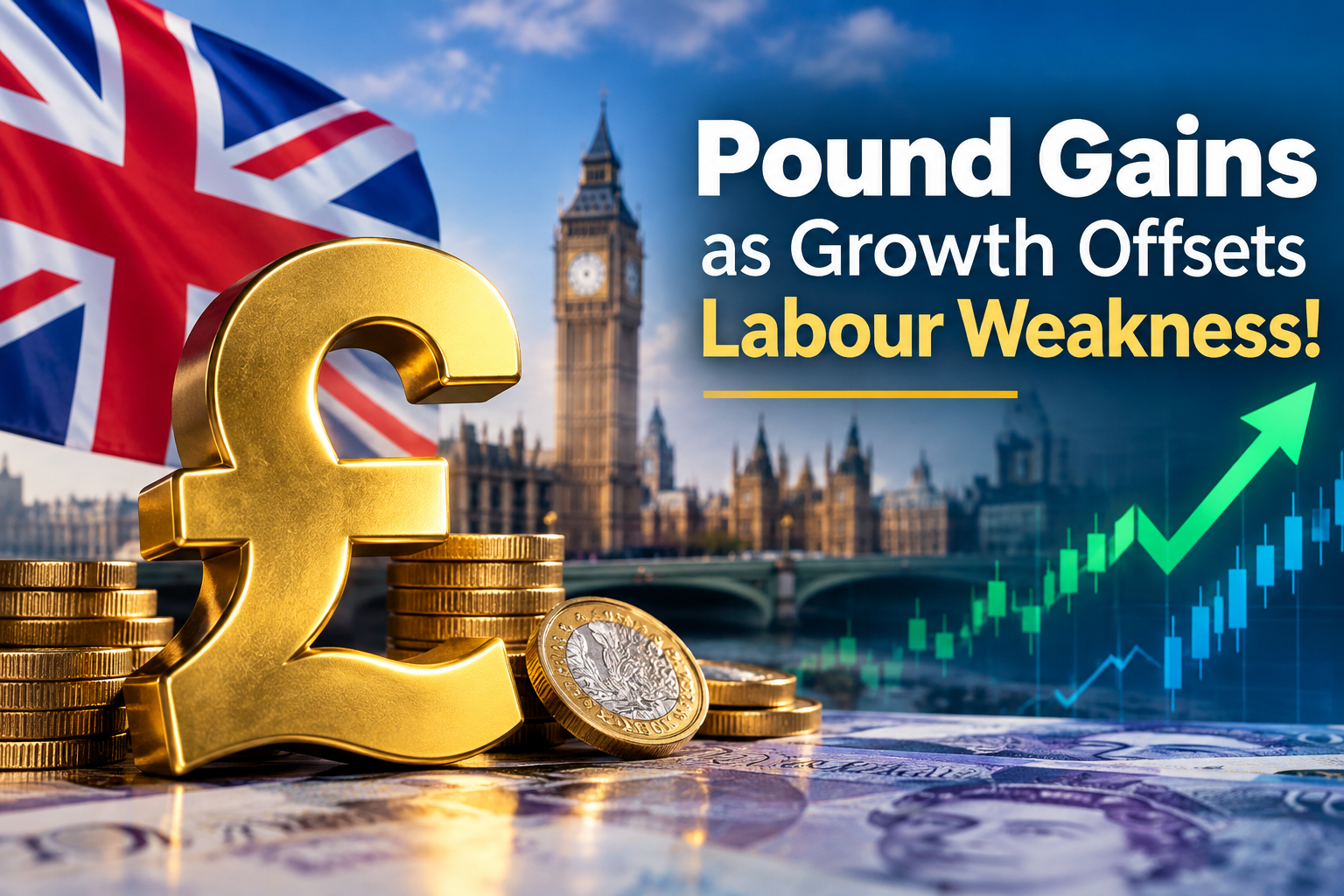
The British Pound is holding up well even though there are signs that the UK labour market is weakening. According to MUFG analyst Lee Hardman, stronger economic growth in the UK is helping to balance out worries about job conditions. At the time higher energy prices are making people think that the Bank of England (BoE) might eventually tighten its monetary policy.
The Pound has been doing better than many expected after the shock from rising energy prices. Stronger-than-expected economic activity, along with expectations that central banks around the world could keep or raise interest rates is making it less likely that the UK will cut rates soon. This supports a cautious outlook on how low UK interest rates might go.
Stronger UK Growth Supports Sterling
Recent data on UK activity have given some support to the Pound. Activity in July suggested that the economy might not slow down much in the second half of 2026 as analysts had once feared.
MUFG still expects the UK economy to slow in the half of the year.. The latest figures have made some of those concerns feel less severe. That kind of resilience matters for sterling because stronger economic performance gives the BoE room to keep its monetary policy tight if inflation stays high.
When growth remains strong and inflation keeps pressure on it helps stop the Pound from falling far.
Labour Market Weakness Creates a Challenge
Even though the economy is showing some strength, the UK labour market is sending a message.
On September 15 official data showed that average weekly earnings. Not including bonuses. Went up by 3.5% over the three months leading up to July.. Job vacancies dropped to about 702,000, which is the lowest level seen in years. Unemployment stayed steady at 4.9%.
In the sector wage growth was even weaker, slowing down to 2.9%. Employment numbers also fell, which suggests companies are becoming more careful about hiring. High employment costs continue to be a concern for businesses.
This weakness in jobs and wages could make it harder for the BoE to raise interest rates aggressively.
BoE Rate Expectations Remain Important
The Bank of England is expected to keep interest rates at its next meeting.. Markets are now paying more attention to signals about whether a rate hike might happen later this year.
MUFG thinks the BoE will hold off on any changes this week. Still they believe updated guidance from policymakers could point to an increase at the November meeting.
That idea is giving the Pound some support.
If inflation stays high and economic activity proves stronger than expected the BoE may feel pushed to keep policy restrictive.. If employment and wages remain weak policymakers might take a more cautious stance.
Energy Prices Complicate the Outlook
Rising energy prices are adding another layer of difficulty for the UK economy. Oil prices have jumped sharply due to concerns over supply disruptions and ongoing geopolitical tensions. That means inflation could stay high for longer making the BoE’s job harder.
For the Pound the impact of energy costs is mixed. Higher energy bills can reduce what households can afford, which hurts economic growth.. Persistent inflation driven by energy costs may push the central bank to keep interest rates higher for longer. This tension is likely to keep GBP volatility high in the coming months.
GBP/USD Faces a Fundamental Picture
The outlook for the GBP/USD pair is being shaped by two opposing forces.
On one hand stronger UK growth and the chance of BoE rate hikes can support the Pound.
On the hand a weak labour market could lower hopes for aggressive rate increases and weaken the Pound.
The US Dollar also plays a role. The dollar has recently gained strength from expectations of Federal Reserve policy and rising US Treasury yields. That can limit how much the Pound can rise against the dollar even when UK fundamentals seem solid.
Sterling recently came under pressure versus the dollar. Higher oil prices boosted demand for the US currency. Increased global risk concerns.
What Traders Should Watch
Several factors could decide the big move for the Pound:
UK Inflation
Persistent inflation would strengthen the case for restrictive BoE policy and could support sterling.
Labour Market Data
Further declines in employment job vacancies or wage growth could reduce expectations of rate hikes and weigh on the Pound.
BoE Guidance
Traders will pay close attention to what policymakers say for hints about whether a November rate hike is becoming more likely.
Energy Prices
A long-term rise in oil prices could push up UK inflation while also hurting growth. That creates a situation for the BoE.
US Dollar Strength
Even if UK fundamentals improve a stronger dollar could still limit gains for GBP/USD.
Key Takeaways
Stronger UK growth is helping the Pound withstand labour-market weakness.
UK wage growth and job vacancies have softened.
MUFG expects the BoE to remain on hold this week.
Markets are watching for signals of a November rate hike.
Higher energy prices could keep inflation elevated.
US Dollar strength remains a risk for GBP/USD.
The Pounds outlook will depend on the balance between growth, inflation and employment.
The British Pound is proving more resilient than thought. Stronger UK economic activity is helping concerns, about a weakening labour market. MUFG says the mix of growth higher energy prices and tightening expectations at other major central banks is encouraging markets to consider the possibility that the BoE could tighten policy.
The labour market remains a key source of uncertainty. Slower wage growth and fewer job openings could eventually limit how much the BoE can raise interest rates.
For traders the main question is whether strong growth and stubborn inflation will outweigh the signs of labour-market weakness. The upcoming BoE guidance, UK inflation data and global energy prices are likely to stay central to the direction of the Pound.