
Last Updated on July 3, 2026 by Deon
Introduction The US Dollar Index is on track to end the week in territory. This happened after US employment figures were not as good as expected. The market now thinks the Federal Reserve will not raise interest rates much as previously thought. The weak employment report caused the US dollar to fall. People are now buying assets that do well when interest rates are low like gold and other major currencies.
Weak Jobs Report Causes Dollar to Fall
The main reason for the dollars decline was the June US Nonfarm Payrolls report. It showed that the economy only created 57,000 jobs. This was below the expected 110,000 jobs. Months employment figures were also revised lower. This reinforced concerns that the US labor market is slowing down.
The unemployment rate went down to 4.2%.. This was mainly because fewer people were looking for work not because more people were being hired.
The weak employment numbers made investors think that the Federal Reserve will not raise interest rates this year.
Federal Reserve Expectations Change
Interest rate expectations changed quickly after the jobs report.
Before the report markets thought another Federal Reserve rate hike this year was likely. After the payroll numbers traders lowered those expectations. They now think policymakers may wait and see if labor market weakness continues.
Lower interest rates make the US dollar less attractive. This is because investors get returns on dollar-denominated assets.
This shift explains why the Dollar Index had based selling across currency markets.
Dollar Index Falls
The US Dollar Index, which measures the greenback against six global currencies fell on Friday. It is now set to record its weekly decline after two consecutive weeks of gains.
The biggest gains against the dollar came from:
British Pound
Yen
The Japanese yen also benefited from easing concerns about additional Federal Reserve tightening. Speculation about Japanese currency intervention also played a role.
Treasury Yields Move
The weak employment report affected more than just currencies.
US Treasury yields declined. This is because investors think borrowing costs may stay the same for longer. Lower bond yields make the US dollar less attractive. This is because they narrow interest rate advantages compared with major economies.
The combination of falling yields and weaker economic data made it hard for the dollar on Friday.
Gold Benefits From Dollar Weakness
As the dollar weakened precious metals became more attractive.
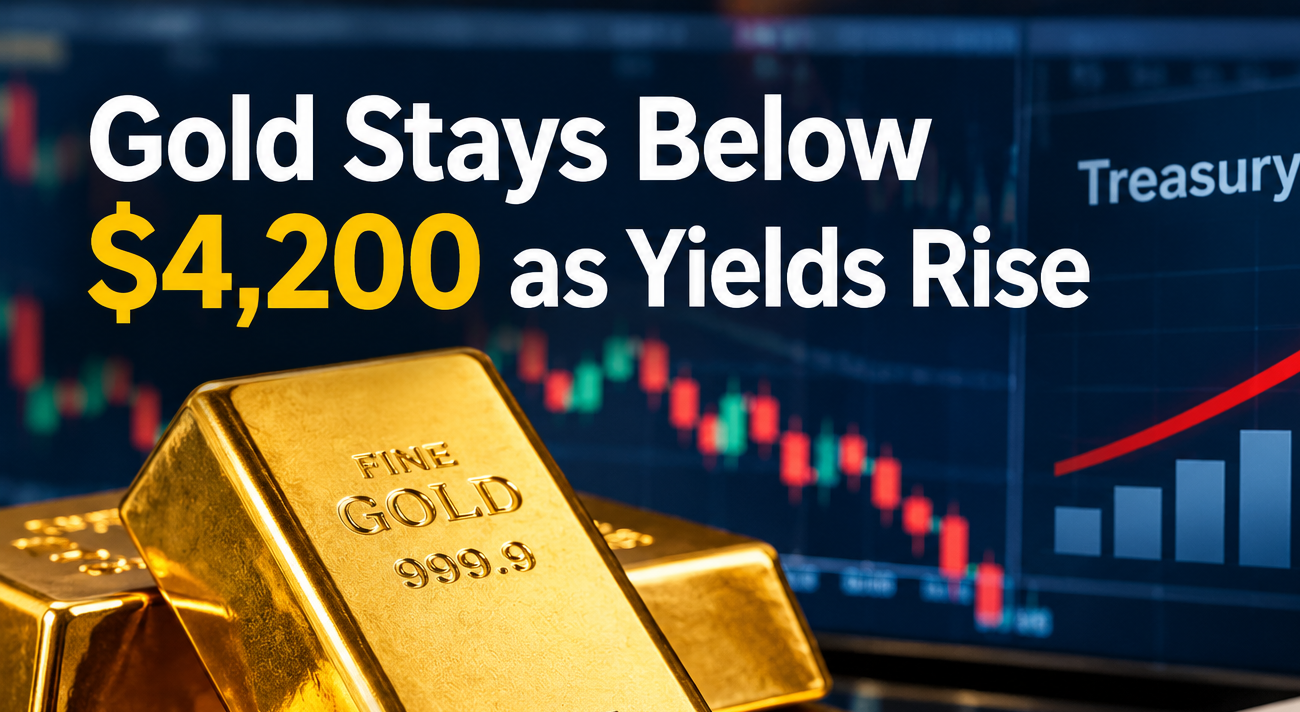
Gold prices climbed strongly after the employment report. This was supported by:
A weaker US dollar
Lower Treasury yields
Reduced expectations for Federal Reserve tightening
Since gold is priced in US dollars a weaker dollar makes it more attractive for investors.
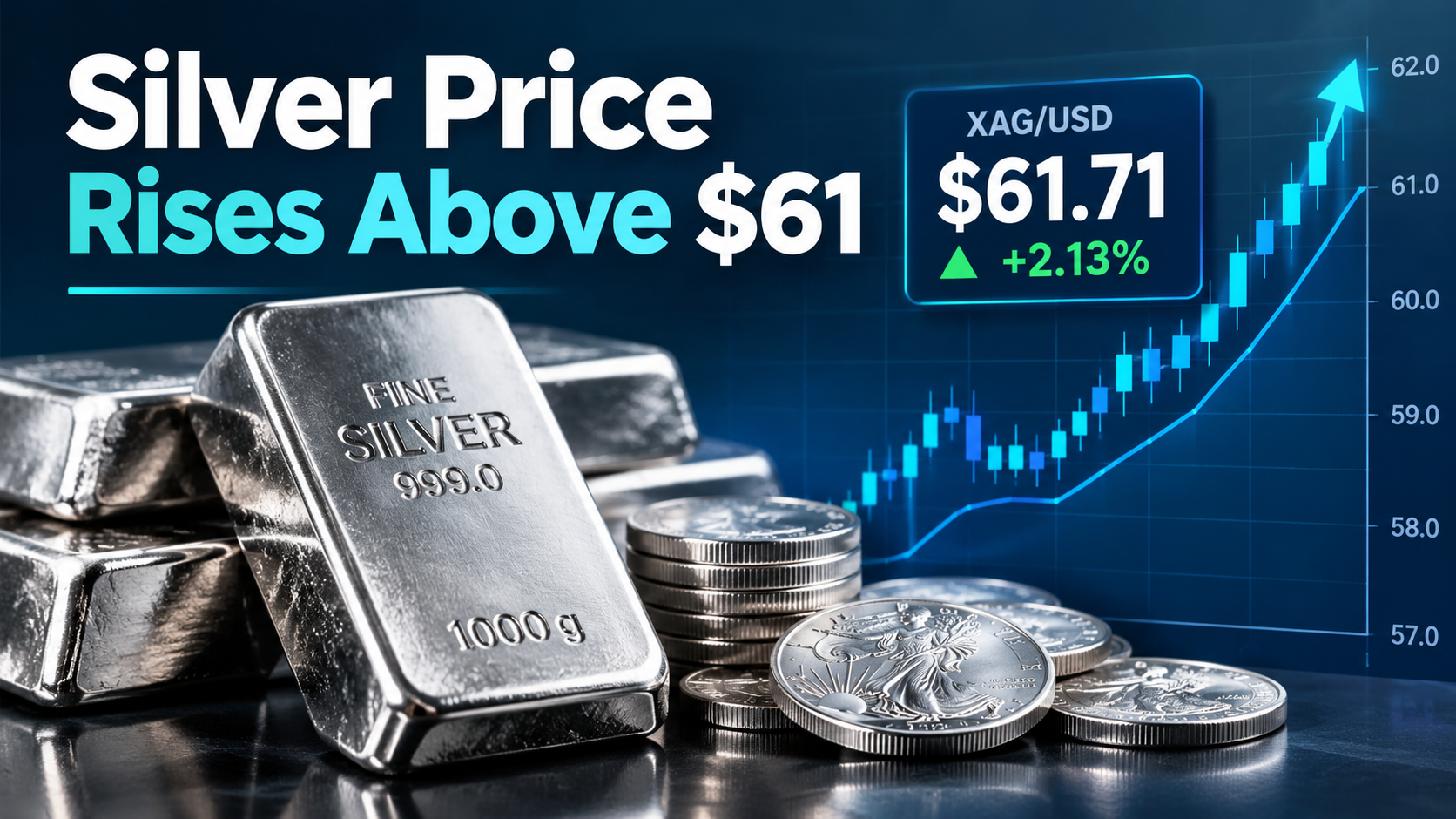
Silver also advanced alongside gold. This reflects demand for safe-haven assets.
Technical Outlook for the US Dollar Index
From a perspective the Dollar Index has broken below recent support levels.
If selling pressure continues traders will watch whether DXY can hold above 100.00. A sustained move below that area could lead to downside.
On the upside any recovery would likely require:
Stronger-than-expected data
Hawkish comments from Federal Reserve officials
Rising Treasury yields
Without these catalysts the dollar may stay under pressure.
What Investors Will Watch Next
Markets are now focusing on economic releases. These could influence the Federal Reserves move.
Key events include:
Inflation Data
Future Consumer Price Index (CPI) reports will show if inflation remains high enough to justify interest rates.
Federal Reserve Communication
Any speeches from Fed policymakers will be closely monitored for clues about monetary policy.
Additional Labor Market Data
Weekly jobless claims and future employment reports will help determine if Junes slowdown was temporary or the start of a cooling trend.
Market Outlook
The latest employment figures have significantly changed investor sentiment.
While the US economy continues to show resilience in sectors, softer labor market conditions suggest economic growth may be slowing. If upcoming data continues to disappoint expectations for Federal Reserve tightening could weaken further.
That scenario would likely keep pressure on the US Dollar Index. It would also support assets such as gold and yielding foreign currencies.
However markets remain highly data-dependent. This means future inflation or growth surprises could quickly change the outlook.
The US Dollar Index appears set to finish the week. This happened after disappointing US jobs data reduced expectations for Federal Reserve rate hikes. Falling Treasury yields, rival currencies and renewed demand, for gold all reflected the markets changing view of the US economic outlook.
Going forward investors will closely monitor inflation figures, Federal Reserve guidance and labor market data. They will determine whether this weeks dollar weakness develops into a trend or proves to be only a temporary correction.