Last Updated on April 27, 2026 by Deon
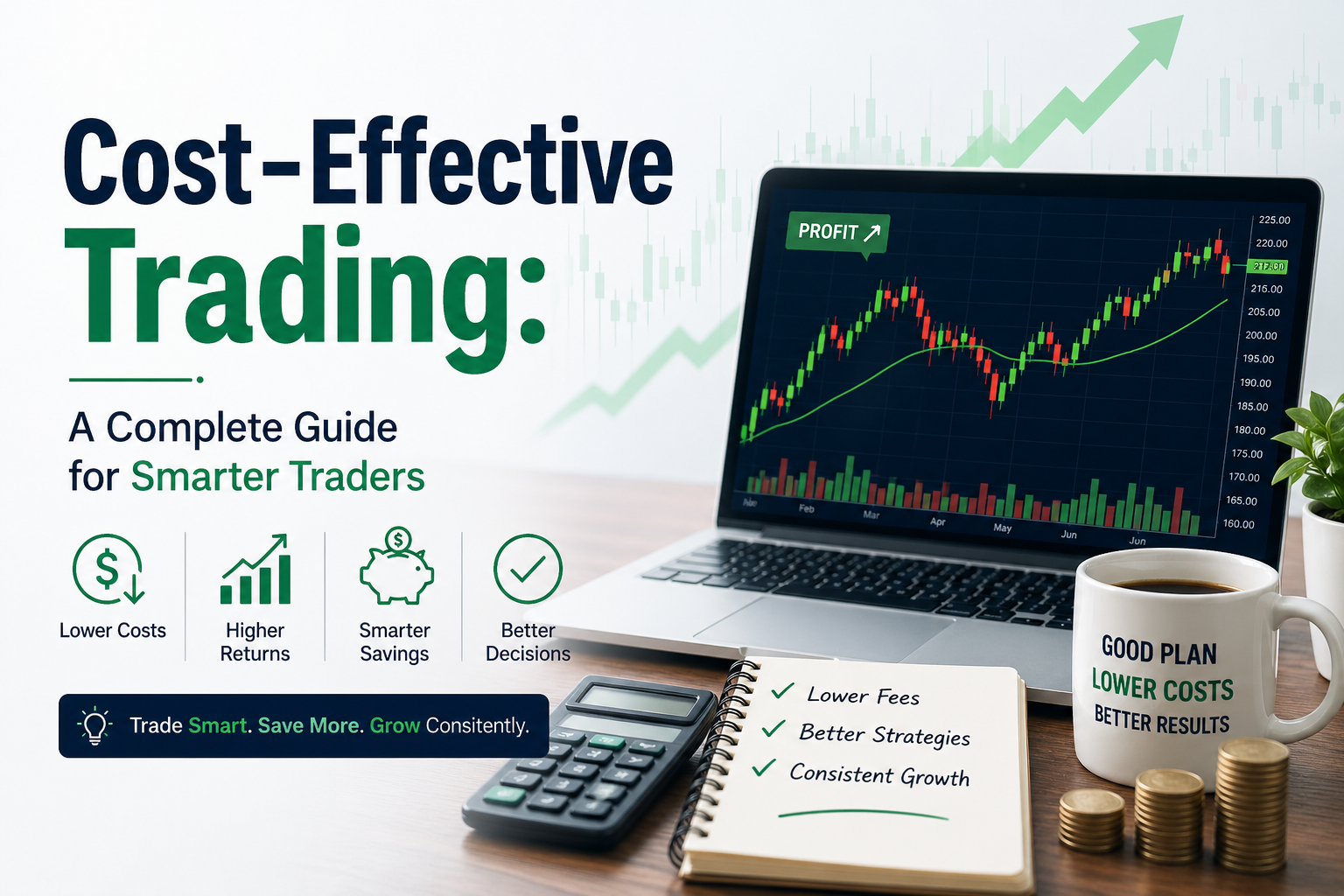
Cost-effective trading is not about finding trading options that are low in cost. It is about making the most of your returns while keeping expenses, losses, and things that are not necessary to a minimum. Whether you are new to trading. Have been doing it for a long time, understanding how the costs of trading work can really help you make more money in the long run.
In today’s markets, even small differences in things like spreads, commissions, or how fast your trades are executed can have a big impact on how well you do. That is why traders try to use strategies that make trading more efficient and cost-friendly.
What Is Cost-Effective Trading?
Cost-effective trading is a way of trading where you try to reduce all the expenses that come with trading while still doing well. These costs can include things like spreads, which are the differences between the prices you buy and sell something for, commissions per trade, fees for holding something overnight, and losses that happen when the market is volatile. The goal is simple: keep more of the money you make by reducing costs that are not necessary.
Why Trading Costs Matter
A lot of traders only think about how much money they can make and do not think about the hidden costs. Over time, these costs can really reduce how much money you actually get to keep. For example, making a lot of trades that make money can still result in losses because of fees. If your trades are not executed well, it can turn a winning trade into a losing one. If the spreads are high, it can reduce how much money you make when trading in the short term.
Even a small difference in the price of something can add up over time if you make a lot of trades.
Key Factors That Affect Trading Costs
1. Spreads and Commissions
Spreads are one of the common costs of trading. If the spreads are tight, it usually means the costs are lower for people who trade a lot. Some accounts may also charge a fixed commission per trade.
2. Execution Speed
If your trades are executed quickly, it can reduce something called slippage, which happens when your trade is filled at a price other than you expected. When the market is volatile, it is more important to have fast execution.
3. Market Volatility
If the market is very volatile, it can increase the spreads and slippage. While volatility can create opportunities to make money, it can also increase the costs of trading if you do not manage it well.
4. Trading Frequency
The more trades you make, the more costs you will have. People who scalp or day trade have to pay attention to the costs because they open and close positions a lot.
5. Swap or Overnight Fees
If you hold something overnight, you may have to pay fees. These costs can add up over time, especially if you hold something for a long time.
Strategies for Cost-Effective Trading
1. Focus on High-Quality Trade Setups
When making a lot of trades, focus on making trades that have a high chance of working out. Making trades but making sure they are good ones can reduce the costs and help you make more money.
2. Use Proper Risk Management
Managing your risk means you do not trade much or take on too much. Making sure your positions are the right size can help reduce the costs.
3. Trade During High Liquidity Sessions
Trading when the market is active usually means the spreads are tighter and the execution is better.
4. Avoid Emotional Trading
Making decisions based on emotions can lead to overtrading, which increases the costs without making you any money.
5. Choose Efficient Trading Conditions
Some places you can trade are designed to help you trade cost-effectively. They have spreads, faster execution, and transparent pricing. For example, Neuron Markets is a platform that traders like to use because it helps them trade in a way that’s efficient and cost-effective.
Role of Technology in Reducing Trading Costs
Modern trading platforms use technology to reduce the costs for traders. Things like automated order execution, real-time pricing, and low-latency systems can help traders execute their trades efficiently and reduce slippage.
Long-Term Benefits of Cost-Effective Trading
Using a cost approach can give you several advantages in the long run. You can make money, have a better risk-to-reward ratio, feel less stressed, be more disciplined, and do better consistently. Even small improvements in how efficiently you trade can lead to gains over time.
Final Thoughts
Cost-effective trading is not about finding the cheapest option. It is about making every part of your trading process as good as it can be. From how your trades are executed to how you manage your risk, every detail matters.
By focusing on being efficient, disciplined, and smart, traders can really improve their results in the run. Platforms like Neuron Markets are often talked about when people discuss trading environments, especially by traders who want to optimize their costs and performance. Cost-effective trading is about making the most of your money. That is what every trader wants.