Last Updated on August 20, 2026 by Deon
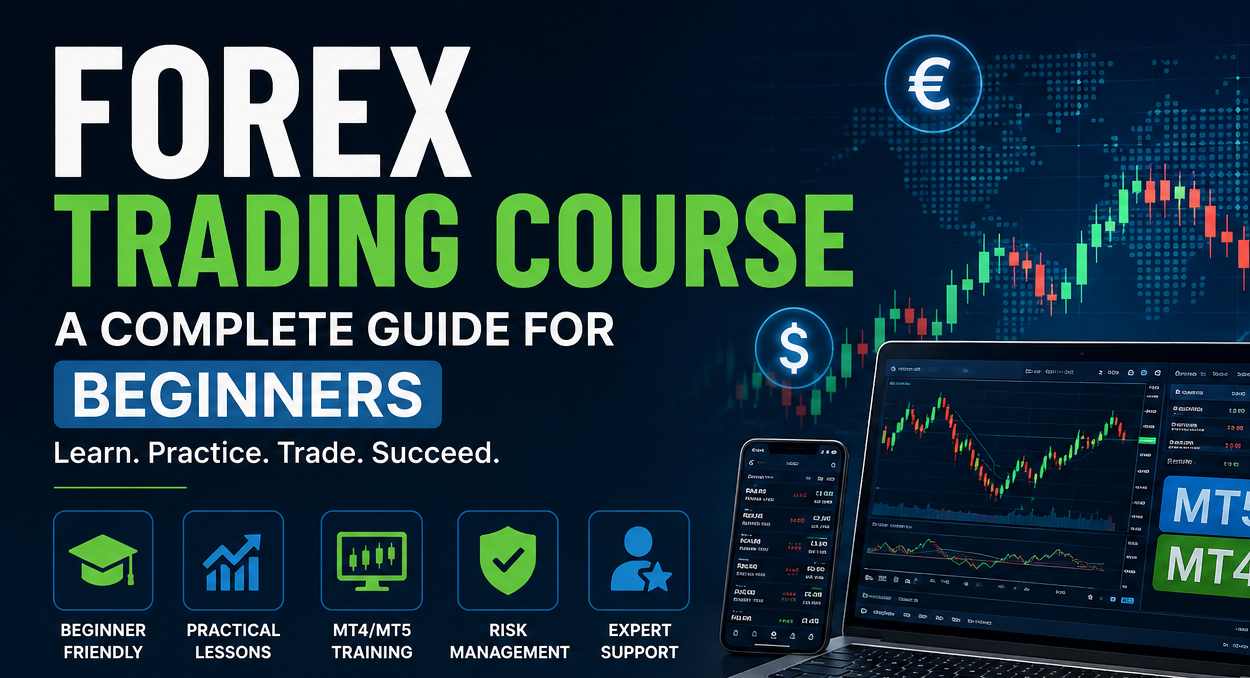
Starting to trade forex can be really confusing when you are new to the markets. You have to understand charts follow forex news learn forex trading terms and think about forex risk management rules. A structured forex trading course can make learning forex easier by putting forex topics in a clear order.
A good forex course should focus on teaching you things than making promises that sound too good to be true. Forex trading involves risk. Forex beginners should understand how the forex market works before using real money to trade forex.
What Is a Forex Trading Course?
A forex trading course is a program that teaches students how the foreign exchange market or forex market works. Depending on the course lessons may cover things like currency pairs, price movements, technical analysis, fundamental analysis, forex trading strategies, risk management and trading psychology.
The goal of a trading course should be to help you learn and develop a way of trading forex that you can repeat, rather than just giving you signals to buy or sell forex. A forex course for beginners usually starts with terms and gradually introduces more advanced forex concepts.
What Will You Learn in a Forex Trading Course?
A comprehensive forex course can cover areas of forex trading.
1. Forex Market Basics
Forex beginners first need to understand what forex is and how currencies are traded in pairs like currency pairs. For example EUR/USD represents the euro against the US dollar in the market.
You should become familiar with terms such as:
Forex currency pairs
Forex pips
Forex spread
Forex leverage
Forex margin
Forex lot size
Forex bid and ask price
Forex trading sessions
Understanding these terms makes later forex lessons much easier to follow.
2. Technical Analysis
Technical analysis is a part of forex trading programs. It involves studying price charts to identify trends, support and resistance levels, patterns and potential forex market setups.
A forex course may introduce:
Forex candlestick patterns
Forex trendlines
Forex support and resistance
Forex market structure
Forex moving averages
momentum indicators
Forex chart patterns
You should learn how to combine these forex tools rather than relying on just one forex indicator
3. Fundamental Analysis
Forex price movements can also be influenced by developments. Fundamental analysis examines factors that may affect currencies.
Important forex events include interest-rate decisions inflation reports, employment data, economic growth figures and central-bank announcements in the market.
Learning to read a calendar can help forex traders understand why forex markets sometimes experience sudden volatility.
Risk Management Is Essential
One of the subjects in a forex trading course should be forex risk management.
A forex trading strategy can produce losing trades. Proper forex risk management helps control the impact of those losses.
You should learn about:
Forex position sizing
Forex stop-loss orders
risk-to-reward ratios
Forex account exposure
Forex leverage management
Forex maximum weekly risk
The objective is not to eliminate forex losses. It is to keep losses controlled so that one forex trade does not seriously damage your forex trading account.
Trading Psychology
Forex trading decisions are not always based on charts. Emotions can also influence behavior.
Fear may cause a forex trader to exit early while greed can encourage forex risk. After a losing trade some forex traders may attempt revenge trading to recover the forex money.
A quality forex trading course should therefore discuss discipline, patience and consistency. Following a predefined forex trading plan.
MT5 and MT4 for Forex Trading
Forex students commonly encounter MT5 and MT4 when learning how to analyze markets and place forex trades.
MT4 is widely recognized for trading and provides forex charting tools, technical indicators order-management features and support for automated forex trading.
MT5 is a platform with additional functionality.
Forex beginners can practice using a demo account before considering forex trading.
How to Choose the Right Forex Trading Course
There are forex educational options available so it is important to compare them carefully.
Check the Forex Course Syllabus
A useful forex course should provide a curriculum covering market fundamentals, technical analysis, risk management, psychology and practical forex trading.
Look at the Instructors Experience
Consider whether the forex instructor explains concepts clearly and provides information about their background. Be cautious when forex marketing focuses primarily on lifestyles or guaranteed forex returns.
Look for Practical Forex Examples
Forex charts and real-market examples can make theoretical forex concepts easier to understand. However historical forex examples should not be presented as guarantees of performance.
Avoid Guaranteed Forex Profit Claims
No forex trading strategy can guarantee profits. Forex prices are affected by factors and even experienced forex traders can have losing forex periods.
Common Beginner Mistakes
New forex traders often make mistakes.
Using much forex leverage can increase forex losses quickly.
Forex trading without a plan makes it difficult to evaluate performance.
Ignoring news can cause you to miss important forex market movements.
Changing strategies constantly can prevent testing and learning.
Risking money needed for expenses is a big mistake.
Creating a Simple Learning Plan
After completing a trading course forex beginners can create a structured forex practice routine.
Start by reviewing terminology and learning how to read forex charts. Next study one trading strategy. Test it using forex price data. Then practice the approach on a demo account.
Keep a trading journal containing the setup, entry, stop-loss, target, outcome and reasoning behind every forex trade. Reviewing this information can reveal repeated mistakes and areas for improvement.
After developing forex knowledge and discipline a forex trader should consider moving from demo practice to live forex trading.
Final Thoughts
A forex trading course can provide a starting point for anyone in learning forex currency trading. The valuable forex courses do not promise forex money. Instead they teach market fundamentals, technical analysis, fundamental analysis, risk management, psychology and practical forex trading skills.
Learning to use MT5 and MT4 can also help forex beginners become comfortable, with charts and trading tools. However forex education cannot remove market risk. Continuous forex practice, realistic expectations and disciplined forex risk management remain essential for anyone considering trading.