Last Updated on September 3, 2026 by Deon
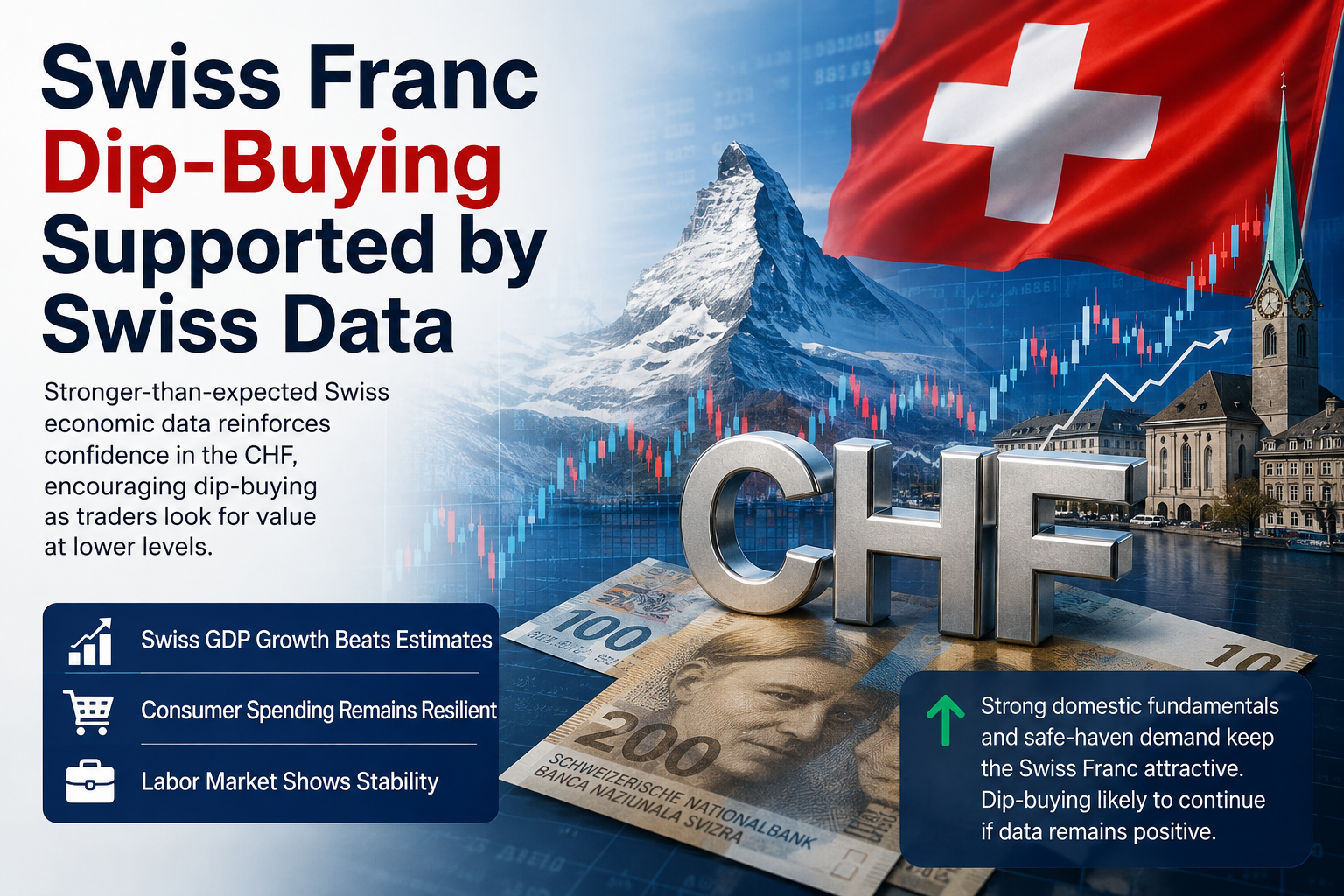
The Swiss Franc is back in the spotlight after better-than-expected economic data from Switzerland gave the currency a boost. Inflation and growth figures for August and the second quarter came in stronger than forecast leading to some profit-taking in EUR/CHF and USD/CHF.
Still this recent data might not be enough to shift expectations about the Swiss National Bank’s policy direction. According to Société Générale analysts the larger outlook is still shaped by interest-rate differences, low foreign-exchange volatility and political uncertainty across Europe.
This creates a picture for the Swiss Franc. While strong domestic numbers offer short-term support traders must also keep an eye on what happens in France and the Eurozone.
Strong Swiss CPI and GDP Support the Franc
The latest economic data from Switzerland was a surprise. The August Consumer Price Index and second-quarter Gross Domestic Product both exceeded forecasts. These results gave traders confidence that the Swiss economy remains resilient despite challenges.
Because of this news some investors decided to take profits on their EUR/CHF and USD/CHF positions. When the Swiss franc strengthens, these pairs tend to fall since fewer francs are needed to buy one euro or one US dollar.
The data also reinforces the idea that Switzerlands economy is holding up well. Inflation has stayed around 0.6% during the quarter, which fits with previous projections from the Swiss National Bank. The central bank expects inflation to rise slightly in the coming months before easing in early 2027.
So even though inflation and GDP were higher than expected the numbers may not be strong enough to push the SNB toward a policy change.
SNB Policy Expectations Remain Stable
The Swiss National Bank remains a driver behind the Swiss Franc’s movement. Higher interest rates usually make a currency more attractive to investors. Lower rates can reduce its appeal.
The latest inflation data did not appear to change how markets expect the SNB to act. Most traders still see chance of rate cuts in the near term and no major shifts in policy.
For traders this matters. Strong Swiss economic data might help the Franc in the run but a lasting move will likely depend on a broader shift in interest-rate expectations or increased demand for safe-haven assets.
Société Générale notes that while the new data supports the case for the Swiss Franc it doesn’t alter the expected path of SNB policy.
Why EUR/CHF Dip-Buying Remains Attractive
With the recent strength of the Swiss Franc analysts say there are still reasons for traders to consider buying EUR/CHF when prices pull back.
One major factor is the gap between interest rates in Switzerland and those in large economies. When Swiss rates stay lower than rates in the US Eurozone or other G10 countries it makes the Swiss Franc less attractive compared to yielding currencies.
Another reason is volatility in the foreign-exchange market. This environment encourages traders to engage in carry trades—where they borrow low-interest currencies and invest in assets linked to higher-interest ones.
These strategies often lead to buying EUR/CHF and other G10 pairs against the Swiss Franc.
As a result any short-term surge in the Swiss Franc following Swiss data could draw buyers looking to enter EUR/CHF at lower levels.
French Political Risks Could Strengthen the Swiss Franc
The biggest threat to the EUR/CHF dip-buying strategy may come from France.
Political and fiscal issues in France have the potential to increase demand for safe-haven currencies. The Swiss Franc has historically done well during times of instability.
Société Générale points out the link between EUR/CHF and the yield spread between German government bonds. That relationship weakened in June. Renewed concerns over the French budget or presidential elections could bring it back into focus.
If investors start worrying about France’s health or political stability the Swiss Franc could once again become a popular choice.
That means traders who think EUR/CHF will keep rising should watch closely. Even if interest-rate differentials point to continued gains, a sudden spike in risk could quickly shift sentiment and boost demand for the Swiss Franc.
What Forex Traders Should Watch
The near-term outlook for the Swiss Franc depends on key elements.
Swiss Economic Data
Future reports on inflation and growth will help traders decide whether the recent positive surprises were just temporary or part of a trend.
Swiss National Bank Policy
Any changes in expectations about SNB interest-rate decisions could directly impact CHF pairs.
Interest-Rate Differentials
The gap between rates and rates in other major economies continues to matter for EUR/CHF and broader G10/CHF trading.
French Political Developments
Growing concerns about France’s budget, government finances, or upcoming elections could increase safe-haven demand for the Swiss Franc.
Swiss Franc Outlook Remains Balanced
The latest Swiss CPI and GDP figures give a signal for the Swiss Franc and explain why EUR/CHF and USD/CHF faced pressure recently.
Stronger domestic data alone might not be enough to create a big long-term shift in the currency’s direction. The Swiss National Bank’s policy outlook remains largely unchanged while wider interest-rate gaps and low market volatility continue to support the idea of buying EUR/CHF during dips.
At the time traders should not ignore political risks in France. A return of political uncertainty could quickly change market sentiment and raise demand for the Swiss Franc as a traditional safe-haven currency.
The Swiss Franc got a boost after inflation and GDP data came in stronger than expected.. The overall outlook remains complicated. Stable expectations for SNB policy mean the currency may not get a push from monetary policy alone.
For now wider interest-rate differences between Switzerland and other G10 countries support the case for buying EUR/CHF on pullbacks. However renewed political or fiscal risks in France remain an upside risk for the Swiss Franc.
Forex traders should keep an eye on Swiss economic releases signals from the Swiss National Bank trends in European interest rates and developments in French politics to understand the next possible move, in EUR/CHF and other Swiss Franc pairs.