
Last Updated on July 14, 2026 by Deon
The United States Federal Reserve may be entering an era of communication. This new era will give markets clues about future interest rate decisions made by the Federal Reserve.
According to analysts at BNY, the Federal Reserve is reviewing how it communicates with investors. The Federal Reserve is signaling a move from detailed forward guidance. The Federal Reserve is moving toward a data-dependent approach. This change could leave markets paying closer attention to economic reports. Of relying on policymakers projections financial markets will have to pay attention to economic reports.
A Shift Away From Forward Guidance
For years the Federal Reserve has used forward guidance to help investors understand where interest rates might be heading. The Federal Reserve also released the known “dot plot”. The “dot plot” shows where officials at the Federal Reserve expect rates to move in the future.
However BNY believes the Federal Reserve is becoming more skeptical about these communication tools. The Federal Reserve is creating task forces. One of these task forces is focused on communications. This group is led by experienced banking figures. The group is expected to examine whether current methods of providing guidance remain effective in todays environment.
Why the Federal Reserve Wants to Change Its Communication
Conditions have become much more uncertain over the past few years. Inflation has remained stubborn at times. Growth, employment, energy prices, and geopolitical events have all made forecasting more difficult. Because of this uncertainty the Federal Reserve appears to prefer responding to economic data. The Federal Reserve does not want to make promises about policy that may later need to be reversed.
BNY says investors should expect the Federal Reserves “reaction function” to become the focus. The “reaction function” is the way the Federal Reserve responds to changes in inflation and the economy. This will be the focus instead of fixed policy guidance from the Federal Reserve.
Interest Rates May Stay Unchanged for Now
Despite debate about inflation, BNY expects the Federal Reserve to keep interest rates on hold for much of 2026. However, that outlook is far from guaranteed. Upcoming inflation reports, labor market data, and changes in energy prices could quickly alter expectations. If there is higher-than-expected inflation, it would increase the possibility of tighter monetary policy from the Federal Reserve. If there is data, it could reduce pressure on the Federal Reserve.
Markets Will Need to Read the Data Carefully
If the Federal Reserve provides less guidance about future policy, investors will have to interpret economic indicators more closely. Some of these reports include:
Consumer Price Index (CPI)
Producer Price Index (PPI)
Employment data
Wage growth
Retail sales
Energy prices
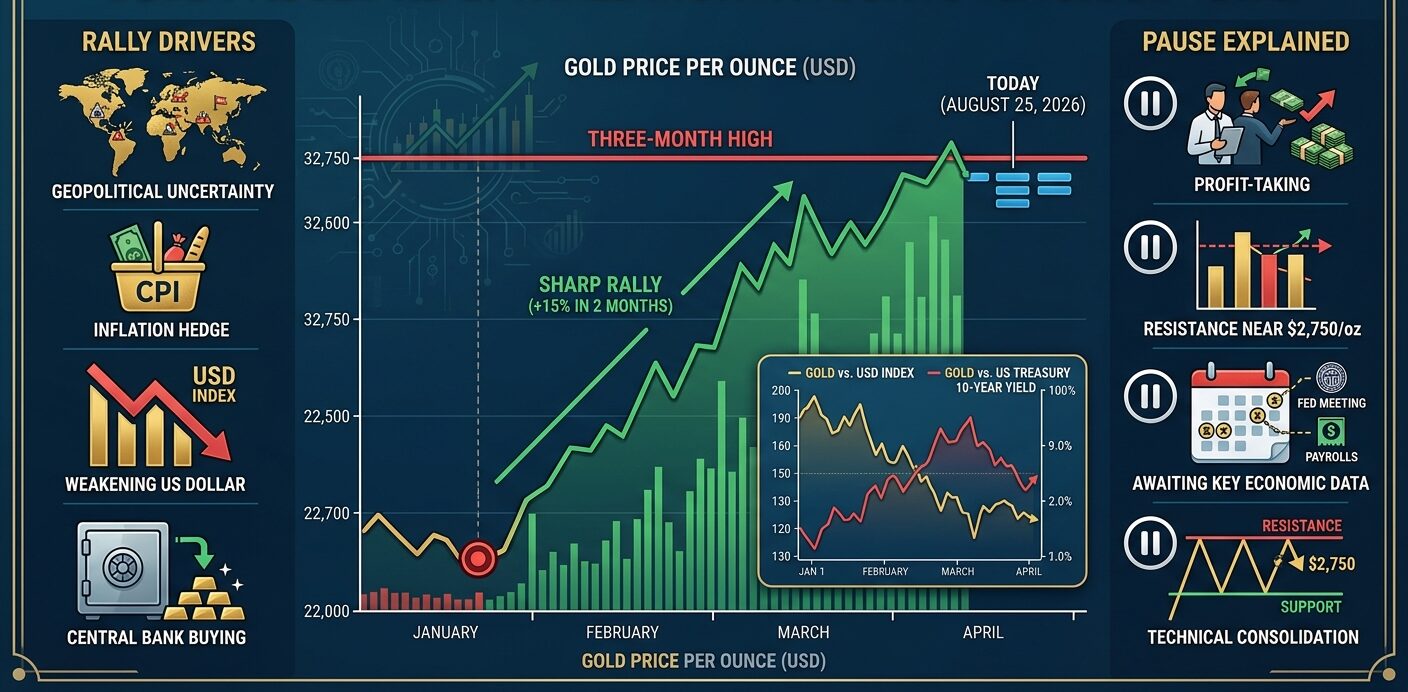
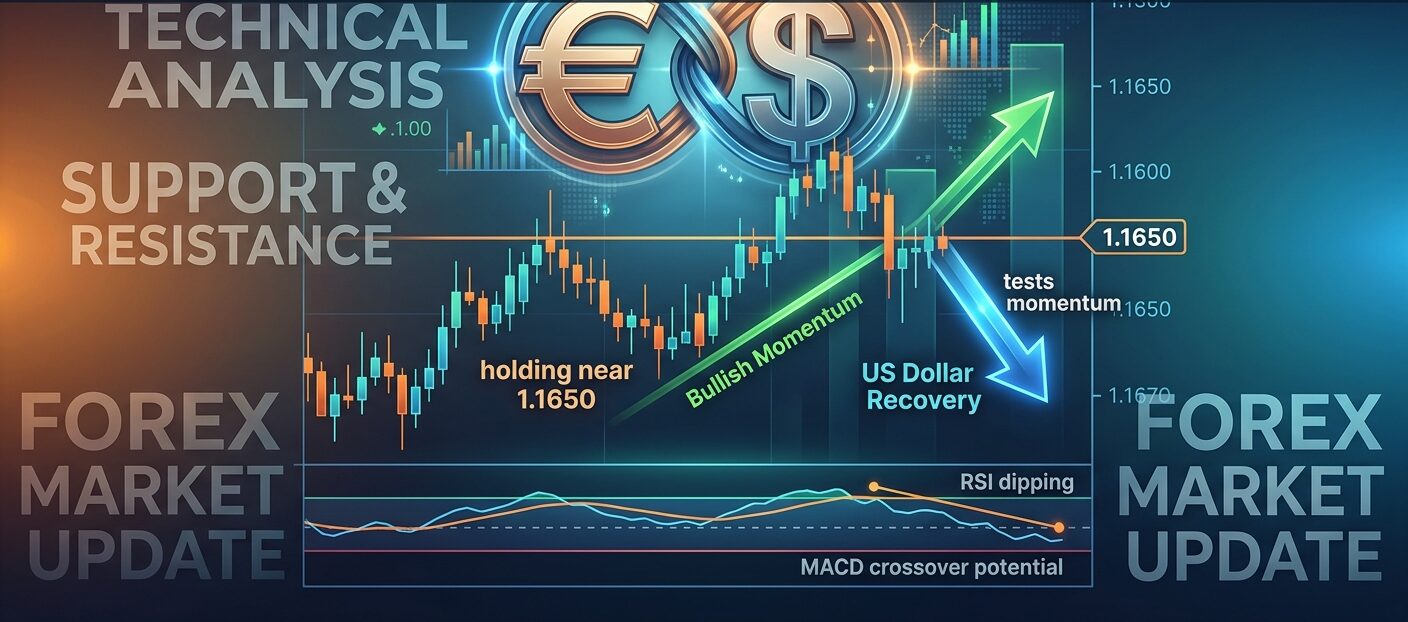
These reports could have an impact on bond yields the United States dollar, stocks and precious metals more than they have in recent years. Without policy signals from the Federal Reserve each major economic release may trigger larger market reactions.
What This Means for Investors
A data-driven Federal Reserve means markets could experience higher short-term volatility. Than trying to predict policy months in advance investors may need to adjust expectations after every significant economic report from the Federal Reserve. This approach gives policymakers at the Federal Reserve flexibility. However it also reduces certainty for traders and businesses that rely on guidance about future borrowing costs from the Federal Reserve.
Looking Ahead
The Federal Reserves evolving communication strategy marks a shift in how monetary policy may be presented in the years ahead. BNY believes that while the Federal Reserve is unlikely to abandon transparency it is moving toward a framework that relies less on forward guidance and more on responding to real-time economic developments. For investors that means staying focused on inflation, employment and growth data will be more important than ever. As each new report is released, expectations for interest rates, from the Federal Reserve—and financial markets—could change quickly.