Last Updated on April 22, 2026 by Deon
The global financial situation is currently in an uncertain state. A big war between the US and Iran seemed likely. A temporary ceasefire was agreed upon. This doesn’t mean the problem is solved, though. Experts at MUFG are warning that the situation has changed from a short-term crisis to a long-term standoff. This new situation carries its set of serious risks for the US Dollar, energy prices and global stability.
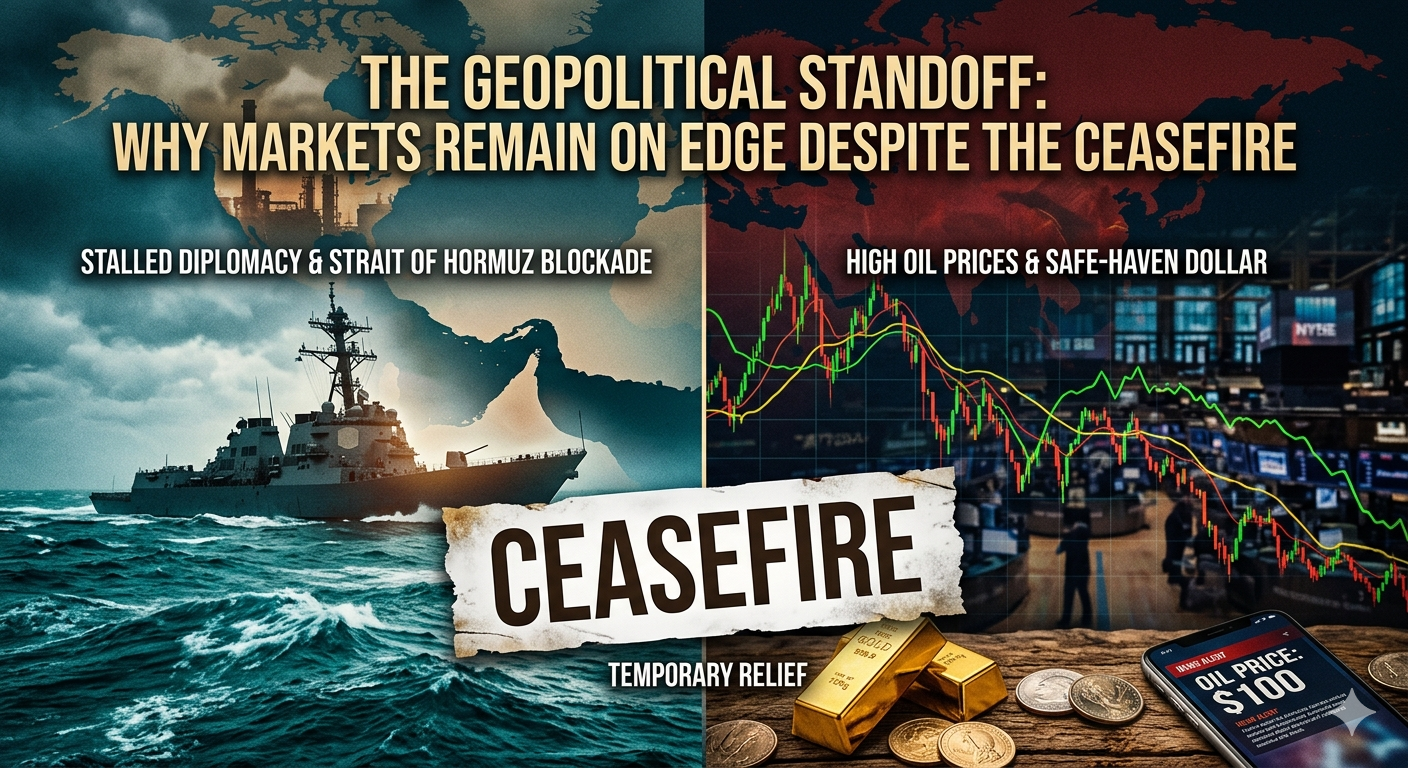
* The main issue is still the problem in the Middle East. The Strait of Hormuz is effectively blocked because of a US blockade and Iranian countermeasures.
* This is causing the global economy to be very cautious.
A Fragile. Stalled Diplomacy
* The temporary ceasefire was initially seen as a thing, but that optimism is not lasting.
* The ceasefire prevents fighting, but it also creates a situation where a permanent solution is not being worked on.
The recent peace talks in Islamabad failed because Tehran refused to attend.
The US administration seems to be using a strategy of putting a lot of pressure on Iran to get it to negotiate.
However, experts say this is a high-risk approach.
Every day the blockade stays in place, the risk of something going wrong and a military conflict starting increases.
The US Dollar as the Global Anchor
* In this situation, the US Dollar is still seen as a safe place for investors.
* The Dollar Index is currently around 98.4.
* Investors are not willing to invest in markets or stocks while there is a threat of an energy crisis.
The $100 Oil. Global Fallout
* The energy market is where the conflict is being felt the most.
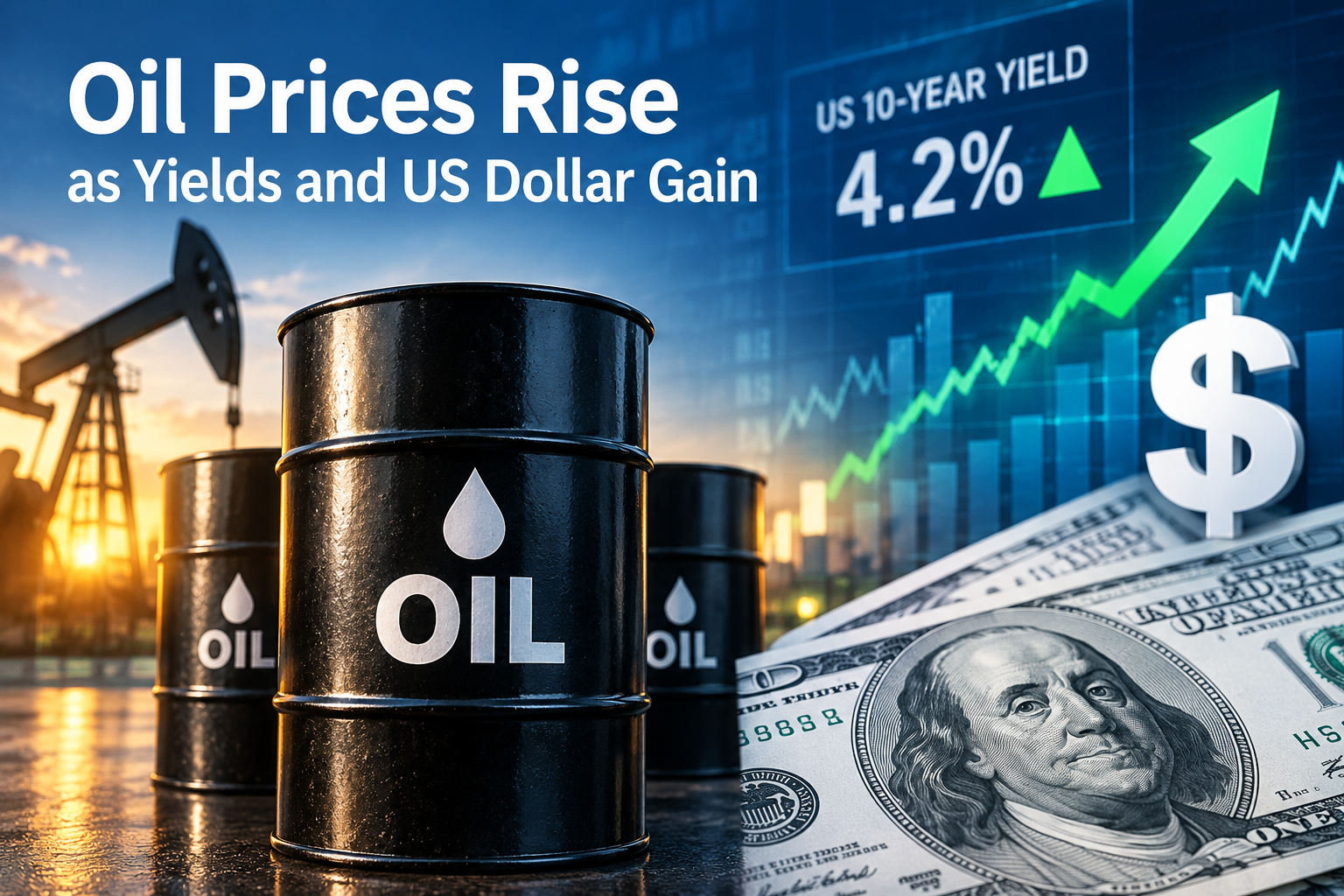
* Oil prices are stuck at around $100 per barrel.
* This is causing problems in regions:
The Import Pressure: Countries that rely heavily on energy imports are seeing their currencies come under pressure.
The Inflationary Spark: We are already seeing signs of inflation because of energy costs.
Monetary Policy Conflict: High energy costs are making it harder for central banks to make decisions.
Technical Outlook: Waiting for a Catalyst
* From a perspective, many assets are stuck in a narrow range.
* Market participants are waiting for news that will tell them if peace is coming or if the conflict is getting worse.
The Path Ahead
* Experts at MUFG think that the market is currently expecting peace, but it’s not ready for a long-term closure of global shipping lanes.
* As the standoff continues, the room for error gets smaller.
* Investors are advised to be cautious because the combination of interest rates and unresolved conflict creates a situation where things can change quickly.