Last Updated on April 8, 2026 by Deon
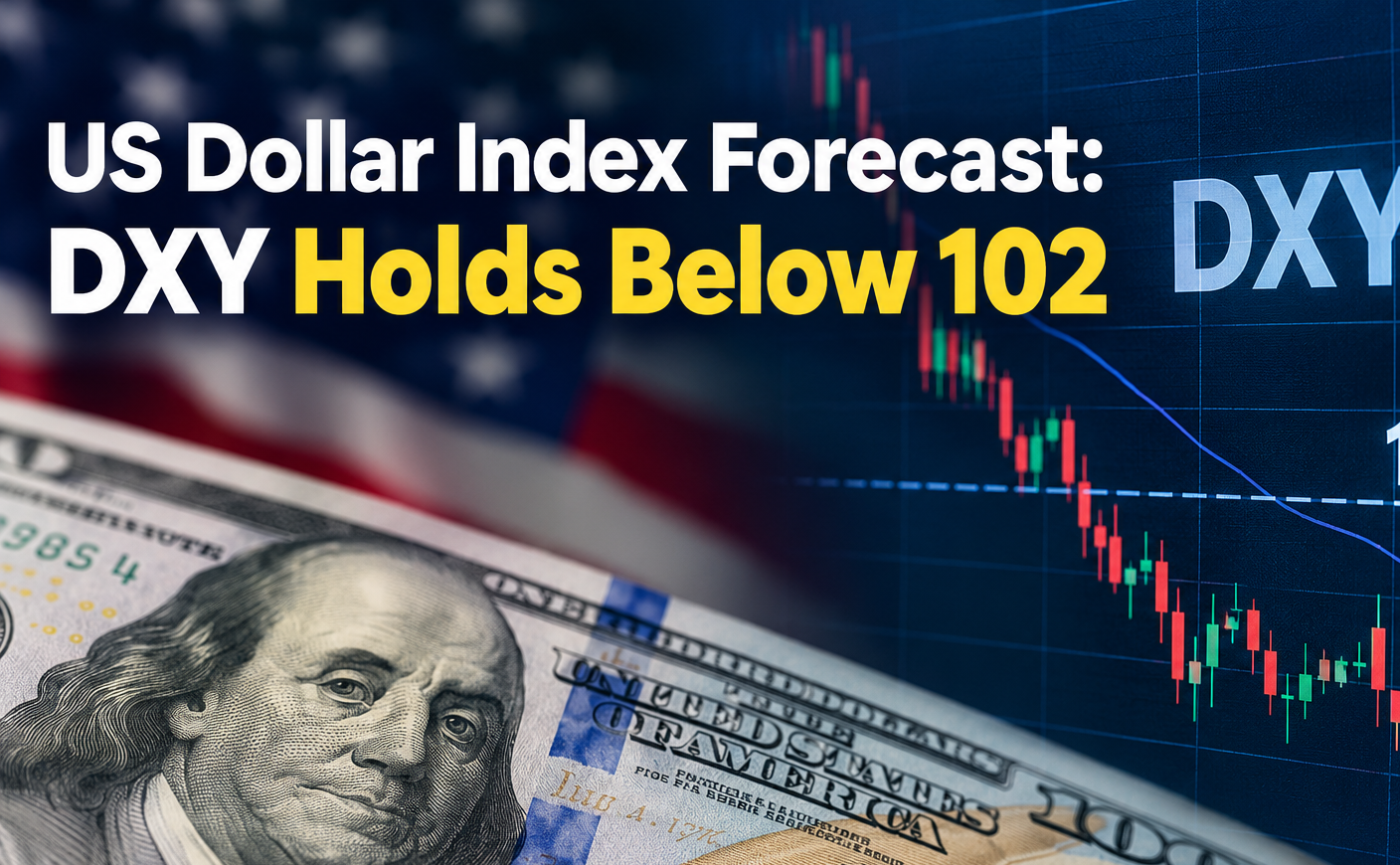
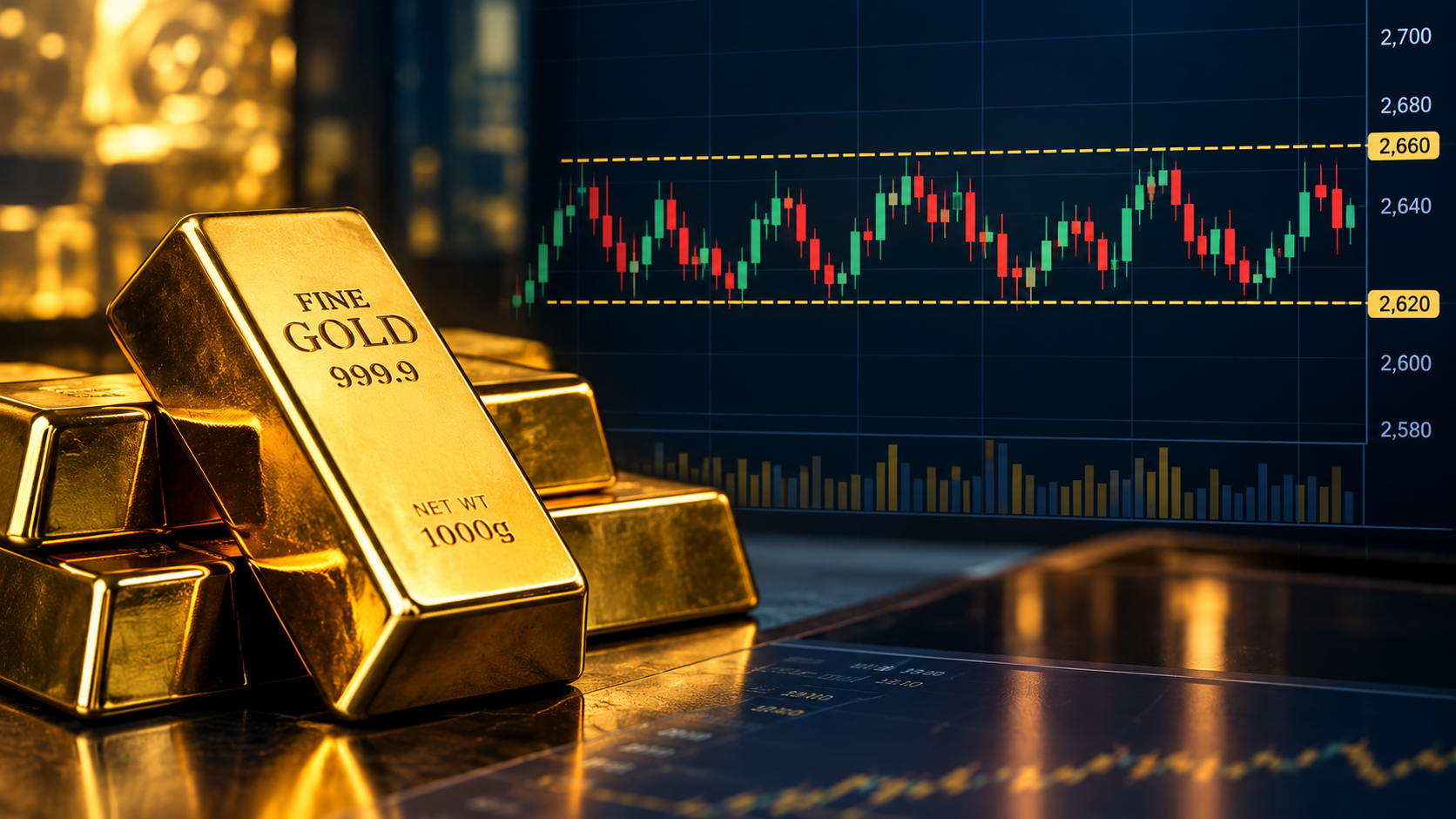
Gold is typically quoted in US Dollars. The metal’s price will rise when the dollar drops. After the ceasefire announcement, the dollar’s momentum weakened as traders reevaluated global economic prospects. Gold became more attractive to investors holding other currencies due to the change in dollar value. The precious metal’s price rose as a result.
Market participants have begun to change their expectations about possible Federal Reserve interest rates reductions. Gold becomes more appealing when rates fall because it does not pay interest, and also benefits from lower borrowing costs and weaker currencies.
Investors Rebalance After Ceasefire News
Normalerweise, a reduction in geopolitical tensions would reduce demand for safe-haven assets like gold. The ceasefire in this case caused currency fluctuations that ended up supporting the gold.
Investors interpreted the situation to mean that the global economy could be changing, which may affect central bank policy over the next few months.
Now the focus is on interest rate expectations
Investors closely monitor signals from the Federal Reserve regarding future monetary policy. Any indication of a possible drop in interest rates could further support gold prices.
Investors are more likely to buy gold if interest rates are low.
What does this mean for gold traders?
This recent move shows how closely related geopolitical issues, currency fluctuations and expectations of interest rates are. Even events that reduce global tensions can cause market reactions to support the gold price.
If the US dollar continues to decline, or if expectations of rate cuts continue to rise, gold could support in the short-term.
Gold prices actually rise after the US-Iran Ceasefire
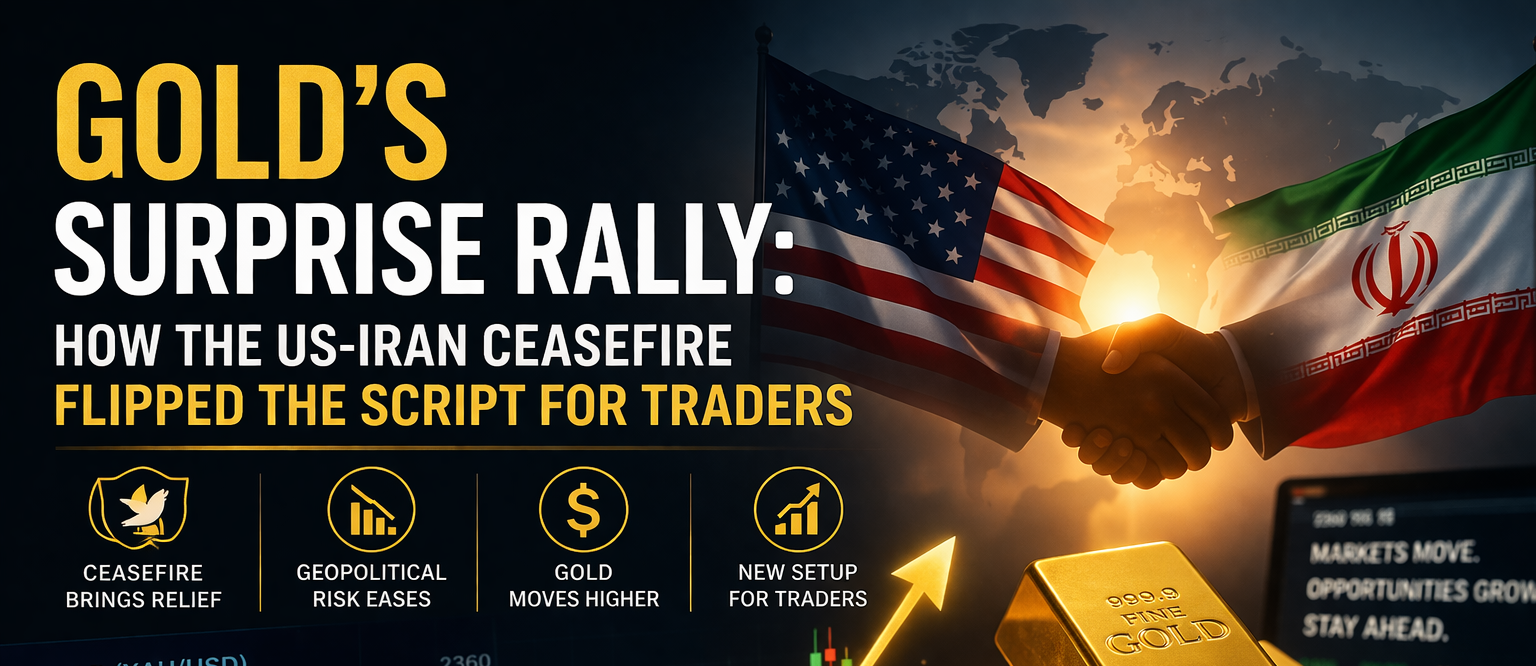
The news that the U.S. had agreed to a temporary ceasefire with Iran sparked a surge in gold prices on Tuesday. Gold, the world’s “crisis-hedging” asset, was expected to drop as tensions eased. However, a significant shift in interest rates and the U.S. Dollar changed the script.
The dollar’s loss is gold’s gain
The immediate reaction of the US dollar to the ceasefire was not just a sigh. It was a selling off. The greenback’s “safe-haven momentum” was lost as geopolitical tensions decreased. This made gold more affordable to international buyers.
Gold and the dollar are usually at opposite ends of the seesaw in the world of trade. Gold becomes an attractive investment for investors who hold other currencies when the dollar falls. This naturally drives up prices and demand.
The Interest Rate Pivot: Reading between the Lines
This rally’s most intriguing part is not the ceasefire, but the message it sends to investors about the future. Investors are betting that a more stable world environment will lead the Federal Reserve’s interest rate policy to change.
- The logic: If inflation expectations and global risks have settled, then the door is open for possible rate reductions.
- Gold does not pay interest. The “opportunity costs” of gold are reduced when bank rates fall, which makes the metal more appealing to large investors.
A new kind of market rebalancing
Usually “peace” is “sell gold.” This time, however, the ceasefire triggered currency realignment which did the opposite. Investors don’t want to hide any longer; they are rebalancing portfolios in preparation for a new chapter of economics where central bank policy might start to soften.
What Next for Traders
This is a masterclass on market interconnectedness. Even a “positive’ geopolitical event could spark a gold rush if it knocks down the dollar or suggests lower interest rates.