Last Updated on February 13, 2026 by Deon
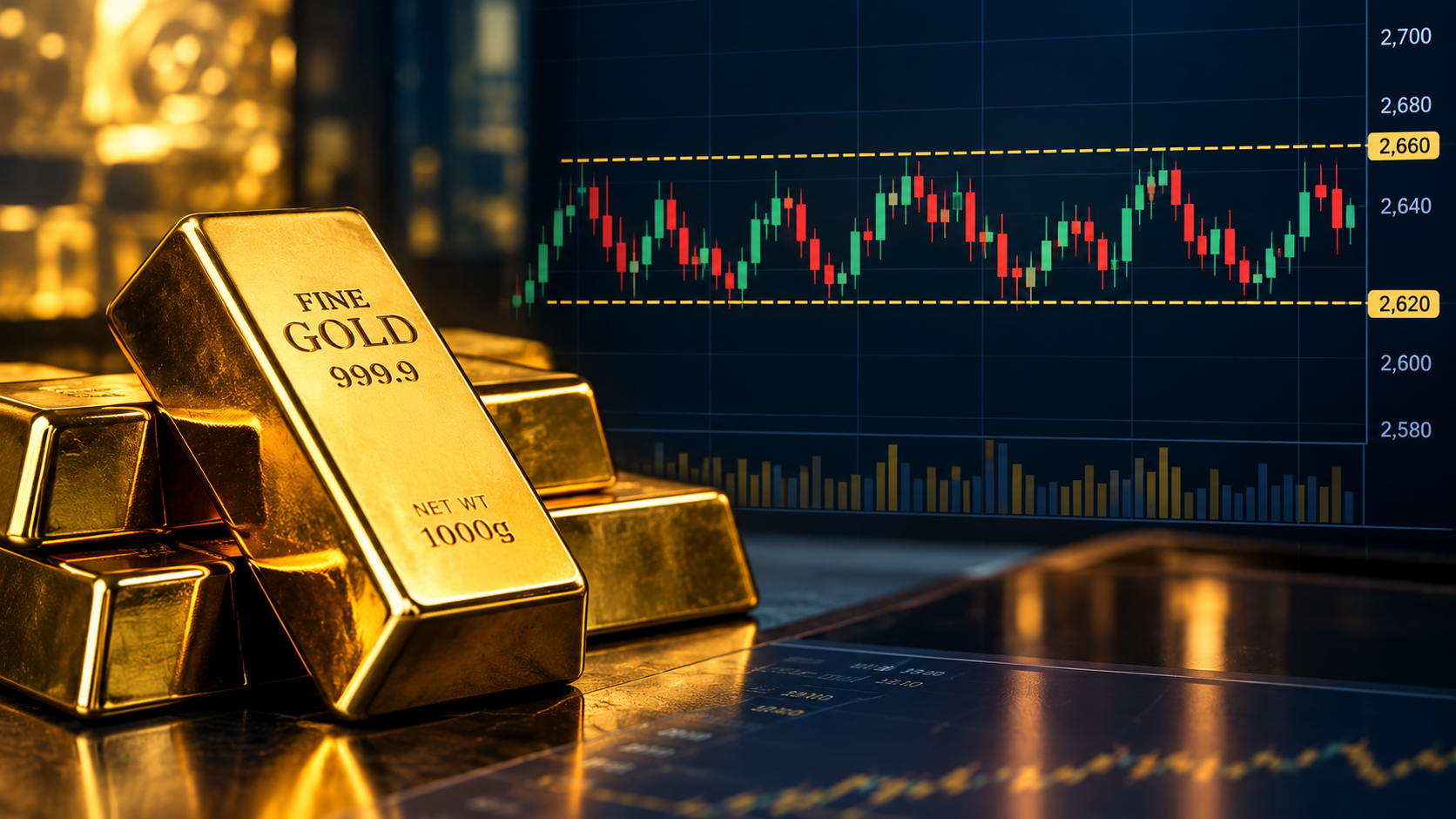
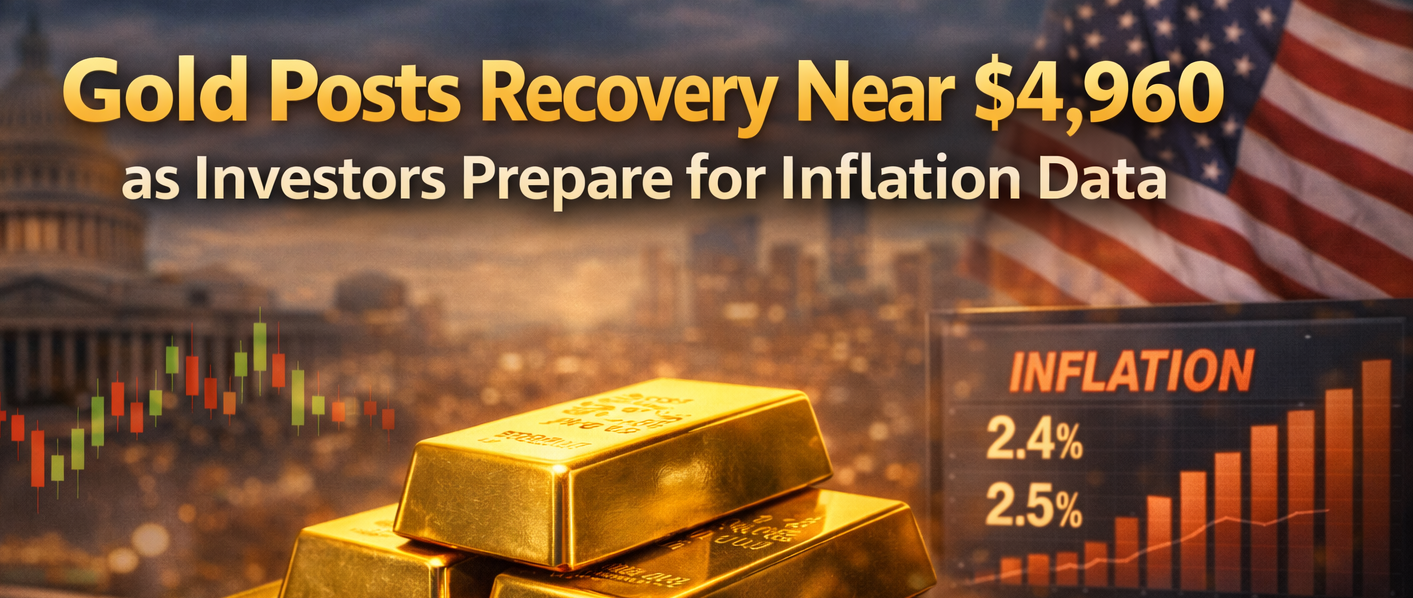
Gold prices firmed on Friday to nearly $4,960 an ounce after falling steeply in the previous session. The rebound for gold comes as investors grapple with increased market volatility, and wait for important U.S. economic data that could shift expectations for interest rates.
Gold, however, is still on pace for a small weekly loss as markets around the world were again rattled.
Market Sell-Off Leads to a Bigger Drop After stocks tumbled in part due to Saudi Arabia’s ongoing oil price war, with the market experiencing its biggest four-day decline since 1933.
Gold’s drop on Thursday, of more than 3 percent, was part of a broad market sell-off that swept through several asset classes.
During the session:
Global equities weakened
Cryptocurrencies dropped sharply
Investors rushed to raise cash
As a result many had to sell and liquidate precious metals such as gold to cover losses elsewhere. There was no one specific driver of the sell-off, but coordinated declines can signal growing risk aversion and may have been exaggerated by automated or algorithmic trading.
Inflation Data in Focus
Investors are now keeping an eye on U.S. inflation numbers scheduled for release later in the day. In addition these numbers are likely to have a significant influence on future monetary policy outlook.
Market participants say the data could inform the Federal Reserve’s next move, particularly after recent economic releases offered conflicting evidence.
Gold may get additional support if there is any sign inflation is abating. Yet lingering price cap endures on the metal.
Strong Jobs Report Alters Rate-Cut Outlook A hefty jobs report dimmed expectations that the U.S. central bank will cut interest rates at its June meeting.
Earlier this week, stronger-than-anticipated January employment data suggested continued strength in the U.S. labor market.
The markets, in turn, have shifted their expectations:
First interest rate cut now expected in July
Previous hopes of a June cut are out the door
This rotation has leaned on gold, as higher interest rates have a tendency to dull the attraction of assets like bullion that don’t offer a yield.
Long Term Remains Supportive for Gold Predictably we hear less now about high debt, higher inflation and reduced productivity.
Despite day-to-day fluctuations, a number of larger drivers still support the price of gold:
Ongoing central bank purchases
Rising geopolitical tensions
Concerns over currency depreciation
Growing global debt levels
Such concerns help keep investors holdings of gold as a hedge against financial and political risks, helping to contain steeper falls.
Volatility Keeps Traders Cautious
Recent price moves underscore how gold is still subject to the ebbs and flows of broader market sentiment. After all, investors are now switching between risk-on and risk-off positions at breakneck speed, so we still should expect near-term whipsaws.
Investors now are falling back into a wait-and-see mode, preferring to remain cautious until more definitive signals come from the economy and central bank communications.
Conclusion
Gold’s recovery to $4,960 suggests limited buying after an aggressive sell-off was triggered by a broad market weakness. Strong jobs data and changing rate-cut expectations have weighed on prices, but a looming inflation report may alter the landscape.
While bullion still faces a slight weekly loss, lingering central bank demand and geopolitical/currency concerns are the key pillars of longer-term support. In the short term, guidance from FOMC and inflation numbers will be a major factor to see if GOLD can find essential momentum.